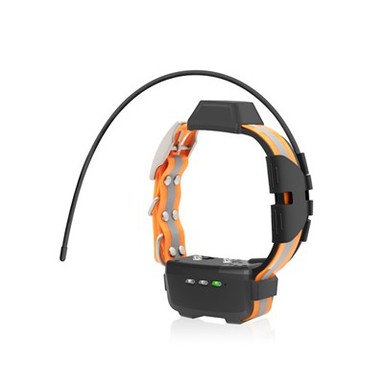
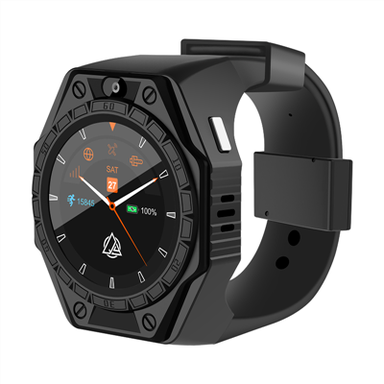
Enhancing Hunting Efficiency: The Power Of GPS Tracking Devices For Hunting Dogs
Jun 03, 2023
Enhancing Hunting Efficiency: The Power of GPS Tracking Devices for Hunting Dogs

Introduction
Hunting has evolved over time, with technology playing a significant role in enhancing the experience. One such advancement is the use of GPS tracking devices for hunting dogs. These small but powerful devices have revolutionized the way hunters track and manage their dogs in the field. With improved accuracy, real-time tracking, and increased safety, GPS tracking devices have become an indispensable tool for modern hunters. In this article, we will explore the benefits and applications of using GPS tracking devices in hunting.
Real-Time Tracking
Gone are the days of relying solely on vocal cues or visual contact with hunting dogs. GPS tracking devices enable hunters to monitor their dogs' movements in real time, providing precise locations on a map. This feature is particularly useful in dense forests or vast terrains where it is easy to lose sight of dogs during pursuit. With a GPS tracker, hunters can maintain a constant line of communication with their dogs, ensuring they are always aware of their location and activities.
Retrieval and Recovery
One of the biggest challenges in hunting is retrieving downed game. GPS tracking devices offer an invaluable advantage in locating wounded animals. When a hunting dog successfully tracks and finds game, the GPS tracker attached to its collar allows the hunter to pinpoint the exact location. This saves time and effort that would otherwise be spent searching for the animal, reducing the risk of losing the harvest due to inadequate tracking.
Moreover, in situations where a dog becomes separated from its handler, the GPS tracking device serves as a lifeline for retrieval. Hunters can quickly identify the dog's location and navigate towards it, reducing the chances of losing a valuable hunting companion.
Safety and Boundaries
Hunting dogs are exposed to various risks in the wilderness, including encountering dangerous wildlife or getting lost in unfamiliar terrain. GPS tracking devices offer a safety net by allowing hunters to set virtual boundaries or geofences. These boundaries can be customized to specific hunting areas or restricted zones, ensuring that dogs do not wander beyond designated limits. If a dog breaches these boundaries, an alert is sent to the hunter's device, enabling them to take immediate action.
Training and Performance Evaluation
GPS tracking devices also prove instrumental in training and evaluating the performance of hunting dogs. By analyzing the data collected by the devices, hunters can gain insights into their dogs' behavior, movement patterns, and hunting efficiency. This information can be used to tailor training regimes, address weaknesses, and further enhance the overall performance of the hunting team.
Community and Social Aspects
The advent of GPS tracking devices has given rise to hunting dog tracking communities. Hunters can share information, exchange tips, and collaborate on hunts. These communities foster camaraderie among hunters while promoting responsible hunting practices. Additionally, the use of GPS tracking devices can contribute to the overall conservation effort by reducing the instances of lost or abandoned hunting dogs.
Conclusion
GPS tracking devices have significantly transformed the hunting experience by providing real-time tracking, enhancing retrieval and recovery, ensuring safety, aiding training, and fostering hunting dog tracking communities. As technology continues to advance, we can expect further innovations in the field of hunting. However, it is important to remember that while these devices are valuable tools, they should be used responsibly and in accordance with local hunting regulations to ensure the preservation of wildlife and the enjoyment of future generations.