

Training Your Hunting Dog With GPS Technology
Jun 05, 2023
Hunting with your dog can be a great way to spend time in the outdoors, but sometimes it can be difficult to track where your hunting dog is going. Fortunately, modern GPS technology has enabled us to make tracking and training our hunting dogs easier than ever. With GPS dog collars, you can track the exact location of your dog while they are out in the field, as well as monitor and train them in real-time. In this blog post, we'll be discussing the different ways that you can use GPS technology to effectively train your hunting dog.
The Benefits of GPS Tracking for Hunting Dogs
If you're an experienced hunter with a hunting dog by your side, you understand the importance of tracking and monitoring your furry companion during a hunt. Luckily, with advancements in technology, GPS tracking has become a vital tool for hunters. Here are just a few of the benefits of using GPS tracking for hunting dogs:
- Real-time Tracking: With GPS dog collars, you can monitor your hunting dog's movements in real-time. This means you can keep track of their location at all times, making it easier to follow them as they hunt.
- Improved Safety: Hunting can be a dangerous activity, especially when you're out in the wilderness with your dog. GPS tracking helps ensure the safety of your dog by alerting you if they venture too far away or get lost.
- Sport Dogs Training: For sport dogs training, GPS tracking is an essential tool. You can use it to monitor your dog's performance during training sessions and identify areas where they may need more work.
- Bird Dogs Tracking: If you're hunting birds, GPS tracking can help you track your bird dog's movements and ensure they are in the best position to locate and retrieve birds.
- Pig Dogs Tracking: When hunting pigs, GPS tracking is particularly useful, as these animals can be difficult to locate in dense brush or foliage. With GPS tracking, you can easily track your pig dog's movements and locate your prey more efficiently.
Overall, GPS tracking is an excellent tool for hunting dog owners looking to ensure the safety and success of their hunting companions. So, consider investing in a quality GPS tracker for your hunting dog today!
How to Choose the Right GPS Tracker for Your Dog
When it comes to choosing a GPS tracker for your hunting dog, it's important to consider several factors to ensure you select the right one for your needs. Here are some tips to help you make the best choice:
- Determine the type of tracking you need - GPS trackers are available for different types of hunting dogs, such as bird dogs tracking or pig dogs tracking. Choose a tracker that is specifically designed for your dog's hunting activities.
- Consider the battery life - Make sure the tracker has a battery life that is long enough to last through a hunting trip. You don't want to lose track of your dog in the middle of a hunt due to a dead battery.
- Look for real-time tracking - Choose a tracker that offers real-time tracking, so you can keep a constant eye on your dog's location.
- Consider the range - Make sure the tracker has a range that is suitable for your hunting needs. If you hunt in remote areas, you'll need a tracker with a longer range.
- Look for additional features - Some GPS trackers offer additional features, such as activity tracking and health monitoring. Consider these features if they're important to you.
By considering these factors, you can select the right hunting GPS tracker for your dog and ensure its safety while out on the hunt.
Training Your Dog with GPS Tracking
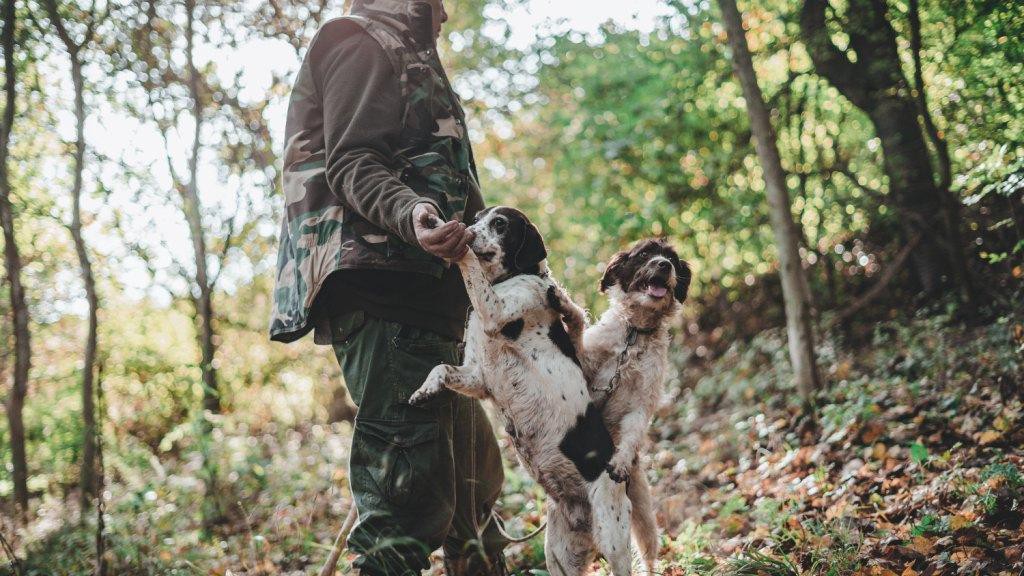
When it comes to hunting, having a well-trained hunting dog is essential. However, even the best-trained dog can sometimes become distracted or disoriented in the great outdoors. This is where GPS tracking comes in handy.
GPS tracking for hunting dogs can not only provide peace of mind, but it can also be a valuable tool for training. By using a GPS tracker, you can track your dog's movements, see where they are, and monitor their behavior. This data can then be used to reinforce good behavior and correct bad habits.
To begin training with GPS tracking, start by introducing your dog to the GPS collar. Allow them to wear it for short periods of time before increasing the duration. Make sure your dog is comfortable with the collar before using it during training exercises.
Once your dog is comfortable with the collar, use it during training exercises to monitor their progress. For example, if you are training your dog to retrieve, use the GPS tracker to monitor their movements and see how far they travel to retrieve the item. This can help you adjust your training methods to better suit your dog's needs.
Another useful feature of GPS tracking is the ability to set up virtual boundaries or "geofences." These are predetermined areas where your dog is allowed to roam freely. If your dog ventures outside of the designated area, you will receive an alert. This can be a great tool for training your dog to stay within a certain area or to discourage them from wandering off.
When training with GPS tracking, it's important to remain patient and consistent. Remember that each dog is different, and what works for one may not work for another. Use the data provided by the GPS tracker to adjust your training methods as needed and always keep your dog's safety in mind.
Tips for Using GPS Tracking to Train Your Hunting Dog
1. Set boundaries: With hunting GPS tracking, you can define specific areas where your dog is allowed to hunt. Set up virtual fences using your GPS tracker, so your dog stays within designated hunting zones. This helps train your dog to remain within the set limits while hunting.
2. Track your dog’s movements: Hunting GPS tracking technology enables you to monitor your dog’s movements and get live updates on their location. This allows you to train your dog to remain in your line of sight while hunting and reinforces good hunting habits.
3. Use alerts: Many GPS trackers come equipped with customizable alerts. Take advantage of these features by setting alerts to notify you when your dog has reached the designated hunting area or when they've gone out of bounds. This will help you keep tabs on your dog's movements, reinforce good habits, and correct negative behavior.
4. Practice recall: Training your dog to respond to your voice commands is crucial for a successful hunting experience. With GPS tracking, you can practice recalling commands while hunting. When your dog responds to your call, use GPS to locate them and reward them for their behavior. Over time, your dog will learn to return to you when called.
5. Share data: Hunting GPS technology allows you to share tracking data with other hunters. Share the tracking data with your buddies, so they can monitor your dog's location and offer suggestions.
