

How Far Can A Wild Boar Travel in One Night? The Surprising Truth About Hog Movement
Sep 16, 2026
Wild boars are highly adaptable animals, and their ability to travel long distances at night is one reason they can be challenging to locate. Although their movements vary depending on habitat, food availability, weather, and disturbance, a wild boar can cover several miles during a single night. Understanding how far they travel-and why-can help hunters better interpret tracks, feeding areas, and movement patterns.
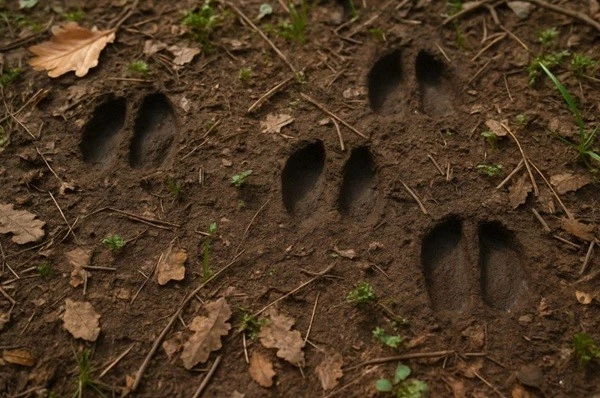
How Far Do Wild Boars Typically Travel?
There is no single distance that applies to every wild boar. Some animals may remain within a relatively small area when food and water are abundant, while others may travel several miles during their nighttime activity.
A boar may move between bedding areas, feeding locations, and water sources throughout the night. In areas with plentiful food, its movements may be relatively limited. When resources are scattered, however, it may travel much farther to find suitable feeding grounds.
Large adult males can also have different movement patterns from females and younger animals. Their movements may change depending on the season, breeding activity, and local conditions.
Why Do Wild Boars Travel at Night?
Wild boars are often most active during cooler nighttime hours, particularly in areas where they experience frequent human disturbance during the day. Darkness provides them with greater security while they search for food.
Their nightly journey may include several important locations. A boar can leave a bedding area, move toward a feeding site, visit a water source, and then return to cover before daylight. These movements can create a network of trails that reveal how the animals use the landscape.
Food is one of the biggest factors affecting travel distance. Crops, acorns, roots, insects, and other natural food sources can attract wild boars to specific areas. If food is concentrated in one location, they may not need to travel far. If food is scarce, they may cover considerably more ground.
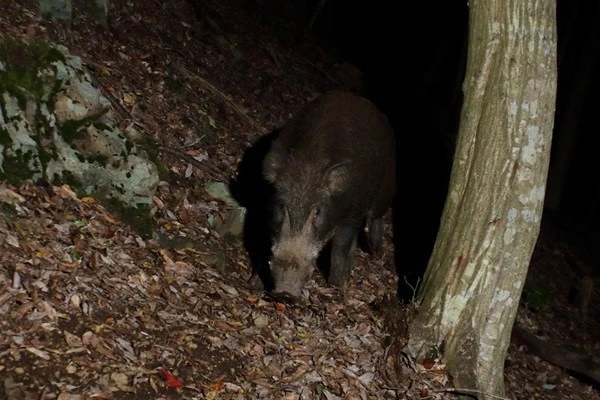
Weather and Terrain Matter
Weather can also influence nighttime movement. During hot weather, wild boars may move more after temperatures drop. During periods of heavy rain or extreme conditions, their movement patterns may change.
Terrain is another important factor. Rivers, steep hills, thick vegetation, agricultural fields, and dense forests can either encourage or restrict movement. Boars often use natural corridors and established trails because these routes allow them to move efficiently while remaining protected by vegetation.
What Hunters Can Learn From Their Movement
Knowing that a wild boar can travel several miles in one night is important when interpreting signs in the field. Finding fresh tracks or rooting activity does not necessarily mean the animals are bedding nearby.
Instead, hunters can look for connections between feeding areas, water sources, trails, and cover. Fresh tracks, disturbed soil, droppings, and recently used trails can provide clues about the direction of movement.
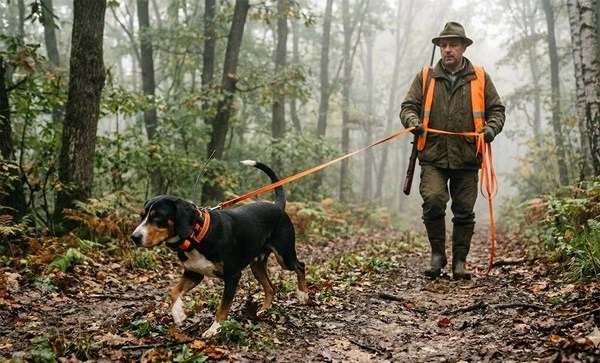
This is also where a reliable GPS tracking system can become useful. When hunting with dogs, tracking technology can help hunters monitor dog locations and understand how far the dogs and animals have moved from the starting point.
Conclusion
Wild boars are capable of covering significant distances during nighttime activity, but their travel range is highly variable. Food availability, water, weather, terrain, breeding activity, and human pressure can all influence how far they move.
Rather than focusing on one exact mileage figure, hunters should pay attention to the entire movement pattern. Understanding where wild boars feed, rest, drink, and travel can provide a much clearer picture of their nighttime behavior-and make time spent in the field more productive.


