Why Do Wild Boars Become Aggressive? 5 Behaviors Every Hunter Should Know
Sep 22, 2026
Wild boars are known for their strength, intelligence, and unpredictable behavior. For hunters and outdoor enthusiasts, encountering an aggressive wild boar can be a serious challenge. But why do these animals sometimes become so aggressive? Understanding their behavior can help people recognize dangerous situations and better understand one of the most adaptable animals in the wild.
1. Strong Survival Instincts
At the heart of wild boar behavior is a powerful survival instinct. Wild boars are constantly searching for food, avoiding predators, and protecting themselves from danger. When they believe they are threatened, their natural response may be to defend themselves rather than run away.
This is especially important when a boar feels trapped or has limited escape routes. A cornered animal can become much more dangerous than one that has plenty of space to retreat.
2. Protecting Their Young
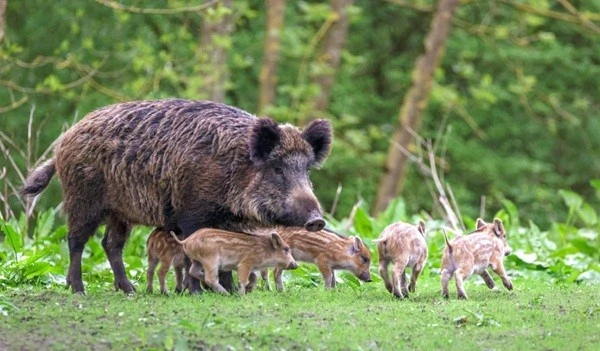
Female wild boars, known as sows, can become particularly defensive when they have piglets nearby. Young piglets are vulnerable to predators, and the mother may react aggressively to anything she considers a threat.
A sow with young should therefore be given plenty of space. Hunters and hikers should pay close attention to the surroundings rather than focusing only on the animal they can immediately see.
3. Large Males Can Be Dangerous
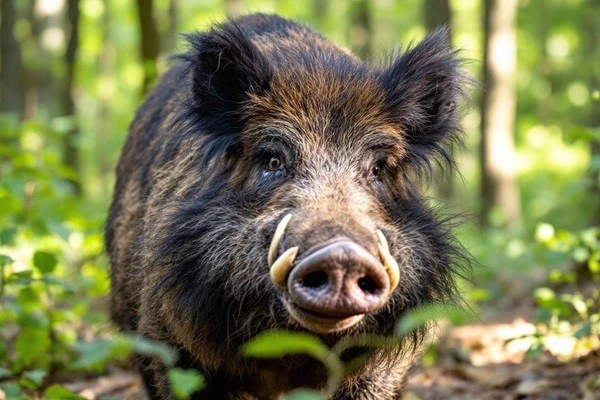
Adult male wild boars, or boars, can become highly defensive, especially during the breeding season. Large males possess considerable physical strength, sharp tusks, and powerful shoulders.
Their tusks are primarily used for fighting with other males and establishing dominance, but they can also become dangerous defensive weapons. A mature boar can move surprisingly quickly over short distances, making it unwise to underestimate its speed or strength.
4. Injured Boars May React Differently
An injured wild boar can be particularly unpredictable. Pain and fear may cause an animal to behave differently from normal. Instead of escaping, an injured boar may remain hidden, charge when approached, or defend itself aggressively.
For hunters using dogs, this is one reason careful control and communication are so important. Dogs that pursue a boar too closely may increase the animal's stress and create a dangerous encounter.
5. Food and Territory Matter
Wild boars are highly adaptable and can live in forests, grasslands, wetlands, and agricultural areas. They may become defensive around valuable food sources or areas where they regularly feed.
When food is limited, competition between animals can also increase. Understanding feeding areas, bedding locations, water sources, and movement patterns can provide valuable clues about where wild boars are likely to be found.
Staying Alert in the Wild
Wild boars are not naturally aggressive toward every person they encounter. In many situations, they would rather avoid humans. Aggressive behavior is often connected to fear, defense, injury, food, or protection of young.
For hunters, understanding these triggers is just as important as understanding tracks and movement patterns. A GPS dog tracking system can also help hunters maintain awareness of their dogs' locations during challenging encounters, especially in dense forests or difficult terrain.
Ultimately, respecting the animal and maintaining a safe distance are essential. Wild boars may look slow and heavy, but their strength, speed, and defensive instincts make them animals that should never be underestimated.