What Do Wild Boars Eat? Understanding Their Feeding Habits
Oct 26, 2026
Wild boars are highly adaptable animals known for their strength, intelligence, and remarkable ability to survive in different environments. From dense forests and grasslands to agricultural fields, these animals can find food in a wide variety of habitats. But what exactly do wild boars eat, and how do their feeding habits influence their behavior, movement, and survival?
Understanding their diet provides valuable insight into their daily lives and helps hunters, wildlife enthusiasts, and landowners better understand these fascinating animals.
1. Wild Boars Are Omnivores
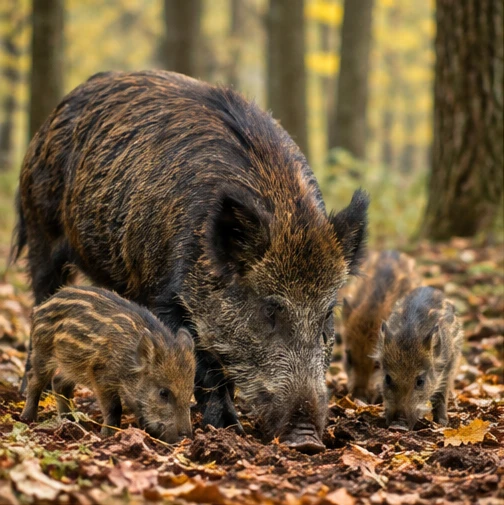
Wild boars are omnivores, meaning they eat both plant-based foods and animal matter. Their diet changes depending on the season, habitat, and availability of food. Unlike animals that depend on a single food source, wild boars can take advantage of almost anything nutritious they find.
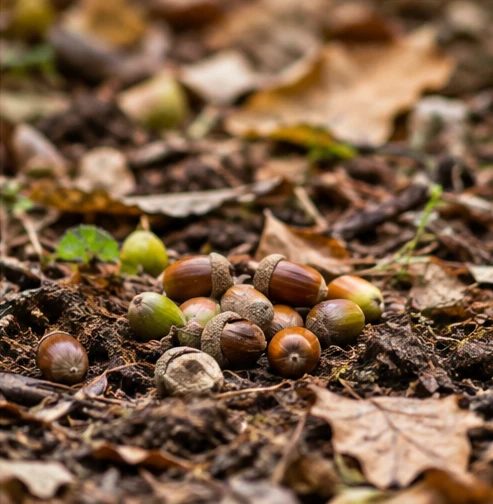
Plant-based foods make up a significant part of their diet. They commonly eat roots, grasses, leaves, fruits, berries, nuts, and seeds. Acorns and other fallen nuts are particularly important in forest environments, providing energy-rich food that helps wild boars build fat reserves.
However, their diet is not limited to vegetation. Wild boars also consume insects, earthworms, eggs, small animals, and occasionally carrion. This flexible feeding strategy allows them to survive even when certain food sources become scarce.
2. How Wild Boars Find Food
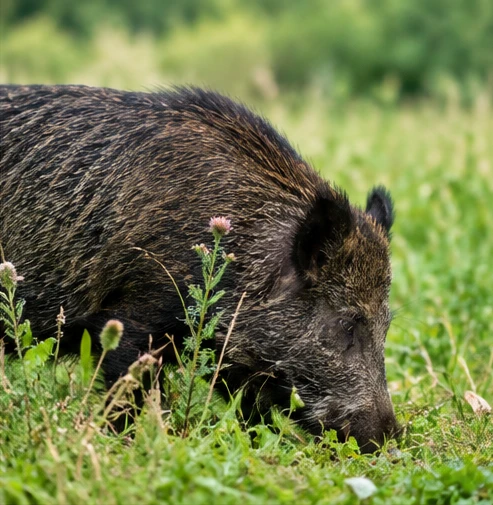
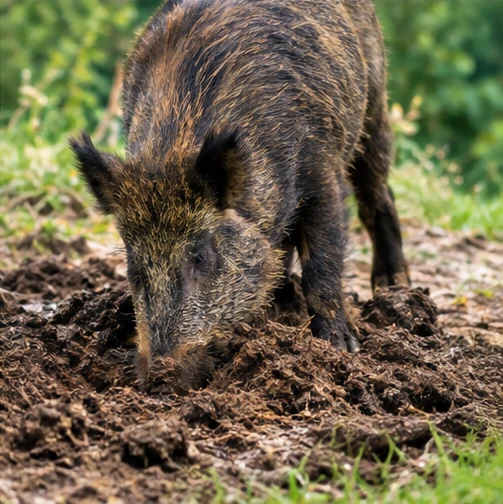
Wild boars have an excellent sense of smell, which plays a crucial role in locating food. Their strong snouts allow them to investigate the ground and uncover hidden food beneath leaves, soil, and vegetation.
Rooting is one of their most recognizable feeding behaviors. By pushing their snouts into the ground, wild boars can dig up roots, bulbs, insects, and other underground food sources. This activity often leaves distinctive patches of disturbed soil, providing clues that wild boars have recently visited an area.
They also search beneath trees for fallen fruits and nuts, explore woodland edges, and visit agricultural fields when crops are available. Their feeding activities can cover considerable distances as they move between different food sources.
3. How Seasons Affect Their Diet
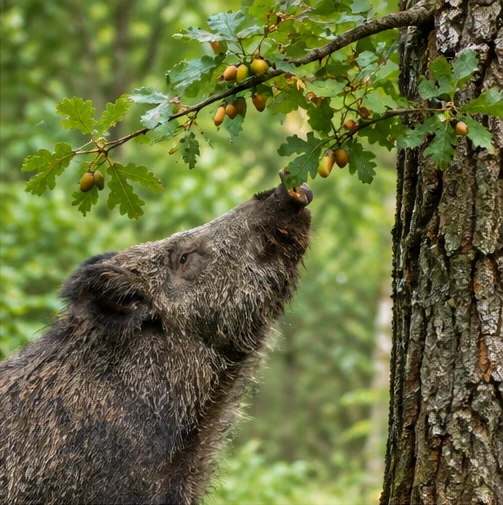
Seasonal changes have a major influence on what wild boars eat.
During spring, fresh grass, roots, insects, and other emerging food sources become more abundant. In summer, wild boars may feed on berries, fruits, crops, and other seasonal vegetation.
Autumn is especially important because acorns, chestnuts, and other nuts provide a rich source of energy. When these foods are plentiful, wild boars may spend considerable time feeding in oak forests and similar habitats.
Winter can be more challenging, particularly in colder regions where vegetation becomes scarce. During this period, wild boars rely more heavily on roots, underground food sources, and whatever natural foods remain available.
4. Why Feeding Habits Matter to Hunters
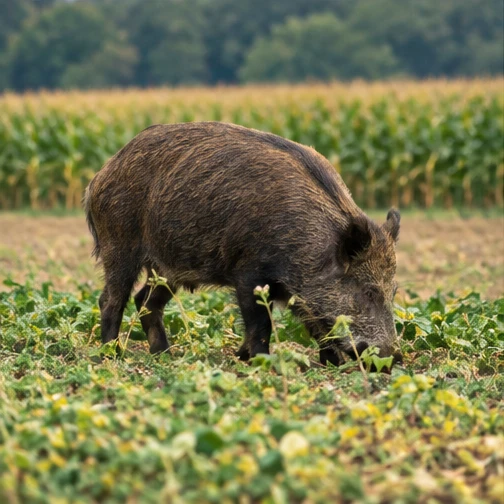
For hunters, understanding wild boar feeding habits can help explain where these animals are likely to travel. Areas with abundant food, such as oak forests, crop fields, and woodland edges, may attract regular visits.
Fresh rooting marks, tracks, droppings, and disturbed vegetation can provide clues about recent activity. However, food availability alone does not determine movement. Water sources, shelter, weather, hunting pressure, and human activity also influence where wild boars spend their time.
Hunters should observe local conditions carefully and follow applicable hunting regulations. Responsible wildlife management also requires avoiding unnecessary disturbance to habitats and non-target animals.
5. How Feeding Habits Affect the Environment
Wild boars play a complex role in their ecosystems. By eating fruits and nuts, they may help disperse seeds. Their rooting behavior can also disturb soil, expose nutrients, and create small patches of bare ground.
However, excessive rooting can damage vegetation, agricultural crops, and sensitive habitats. When wild boar populations become too large, their feeding activities may negatively affect native plants and other wildlife.
Conclusion
Wild boars are opportunistic feeders whose varied diet helps them survive in a wide range of environments. From roots and acorns to insects and agricultural crops, their food choices change with the seasons and local conditions. By understanding what wild boars eat and how they search for food, hunters and wildlife enthusiasts can better interpret their behavior, recognize signs of activity, and appreciate the important role these adaptable animals play in nature.