How To Prepare Your Hunting Gear Before The Season: 10 Essential Steps For A Safer, More Successful Hunt
Oct 20, 2026
The excitement of a new hunting season is hard to beat. However, before heading into the wilderness, every hunter should take time to inspect, organize, and prepare their equipment. Proper preparation can help prevent unexpected problems, improve safety, and make every hunting trip more enjoyable. Whether you are hunting wild boar, tracking game with hunting dogs, or exploring unfamiliar terrain, having the right gear ready can make all the difference.
1. Inspect Your Hunting Clothing
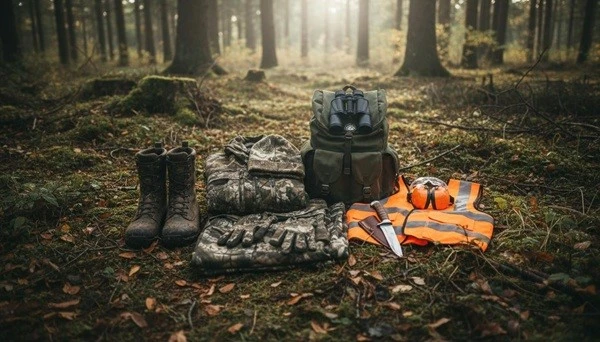
Start by checking your hunting clothes, boots, gloves, and weatherproof jackets. Look for damaged zippers, torn fabric, worn-out soles, or other signs of wear. Choose clothing suitable for the expected weather conditions and terrain. Breathable layers are useful for changing temperatures, while waterproof outerwear can help keep you comfortable during rain.
Remember to select colors and patterns appropriate for your hunting environment and follow local visibility requirements, including any regulations concerning high-visibility clothing.
2. Check Your Hunting Equipment
Before the season begins, carefully inspect all your essential equipment. Check backpacks, knives, flashlights, binoculars, and other tools for damage or missing parts. Replace worn batteries, test electronic devices, and make sure everything works properly.
If you use firearms, inspect and maintain them according to the manufacturer's instructions, and follow all applicable firearm safety rules. Never wait until the morning of your first hunting trip to discover that essential equipment is not working.
3. Test Your GPS Dog Tracking System
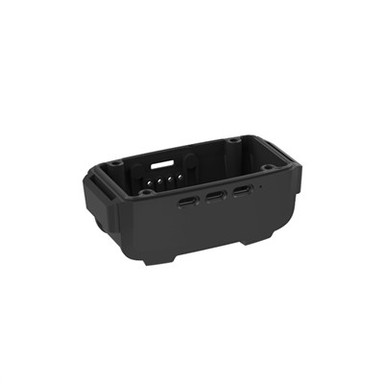
For hunters who work with hunting dogs, a reliable GPS dog tracking system is an essential piece of equipment. Before the season, fully charge your handheld device and tracking collars, inspect charging cables, and check the condition of the collar straps.
Take your equipment outdoors and test its positioning accuracy, communication range, and connection stability. If your system supports both radio and cellular communication, test both modes where possible. Download offline maps before entering remote areas where mobile coverage may be unavailable.
Also, check whether your device has available firmware or application updates. A few minutes of testing at home can help prevent unnecessary frustration in the field.
4. Prepare Your Hunting Dogs
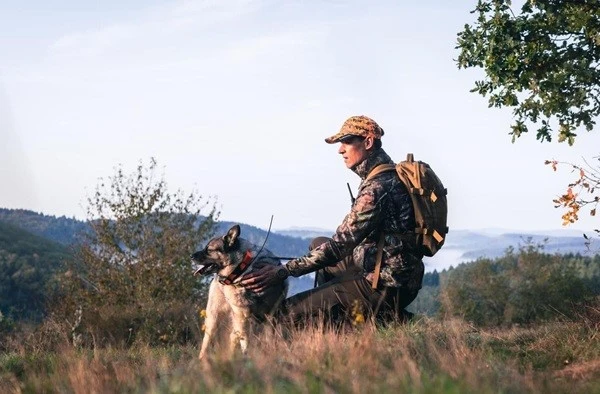
Your equipment is only part of your preparation. Hunting dogs also need time to regain their fitness after an extended break. Gradually increase their exercise, practice essential commands, and allow them to become familiar with tracking equipment again.
Check each dog's collar for proper fit and inspect the skin around the neck for irritation. Make sure identification details are current and that your dog has access to fresh water during training and hunting.
5. Organize Your Navigation Tools
Never rely entirely on a mobile phone when hunting in remote locations. Carry a compass, a physical map when practical, and a GPS device with downloaded maps. Familiarize yourself with the hunting area, including access routes, water sources, and potential hazards.
Share your planned route and expected return time with someone you trust. This simple precaution can be extremely valuable if an emergency occurs.
6. Check Your First-Aid and Emergency Supplies
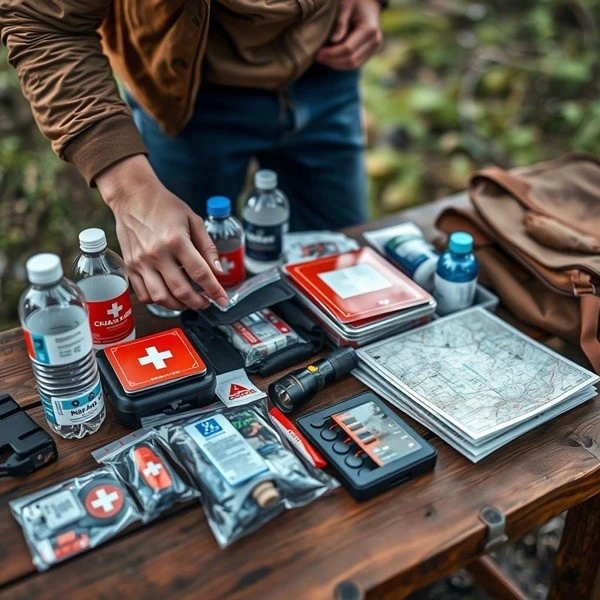
Pack a first-aid kit containing suitable bandages, antiseptic supplies, gloves, and other essentials. Include emergency food, drinking water, a whistle, a headlamp, and a power bank. Consider carrying emergency supplies for your hunting dogs as well.
Check expiration dates and replace anything damaged or missing before leaving home.
7. Review Local Hunting Regulations
Hunting regulations can change between seasons. Confirm the permitted hunting dates, licensing requirements, legal hunting areas, species restrictions, and equipment rules. If you hunt with dogs, check the local regulations governing their use.
Understanding these requirements helps you avoid unnecessary legal problems and supports responsible hunting practices.
8. Practice Before Opening Day
Preparation should include more than checking equipment. Spend time practicing navigation, setting up your gear, operating your GPS tracker, and using communication devices. Familiarity with your equipment allows you to react more confidently when conditions become challenging.
9. Inspect Batteries and Charging Equipment
Cold temperatures and long hunting days can reduce battery performance. Fully charge all electronic devices before departure and carry spare batteries or a power bank when compatible. Keep charging equipment organized in a waterproof bag to protect it from moisture.
10. Make a Final Hunting Checklist
Before leaving, review a checklist covering clothing, navigation, safety equipment, food, water, licenses, dog supplies, and electronic devices. Pack everything the night before so you are not rushing on opening morning.
Final Thoughts
Preparing your hunting gear before the season is about more than convenience. It is an important step toward safer, more organized, and more responsible hunting. By inspecting your equipment, conditioning your dogs, testing your GPS tracking system, and reviewing local regulations, you can reduce avoidable problems and focus on the experience.
A successful hunting season starts long before you enter the field. Take the time to prepare properly, and you and your hunting dogs will be better equipped for the challenges ahead.