How To Train A Hunting Dog For Long-Distance Tracking
Oct 15, 2026
Long-distance tracking is an essential skill for hunting dogs, especially when pursuing game across forests, mountains, and challenging terrain. A well-trained hunting dog can follow scent trails over extended distances, remain focused in changing environments, and work confidently alongside its handler. However, developing these abilities requires patience, consistent training, and a strong understanding of canine behavior.
1. Build a Strong Foundation with Basic Obedience
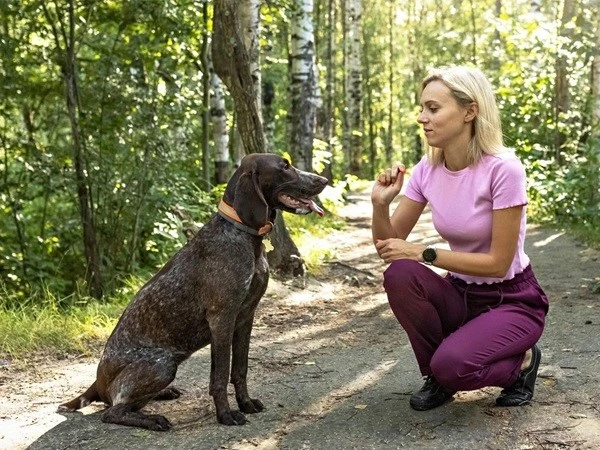
Before introducing long-distance tracking, your dog must understand basic commands such as "come," "stay," "stop," and "heel." These commands help maintain control when the dog moves far away or encounters unexpected distractions.
Start training in a quiet, familiar environment with minimal distractions. Reward your dog with treats, praise, or play whenever it responds correctly. Gradually increase the difficulty by practicing in unfamiliar locations and introducing new sounds and scents.
Reliable recall is particularly important. Even when a hunting dog becomes excited by a fresh scent, it should remain responsive to its handler's commands.
2. Introduce Scent Tracking Gradually
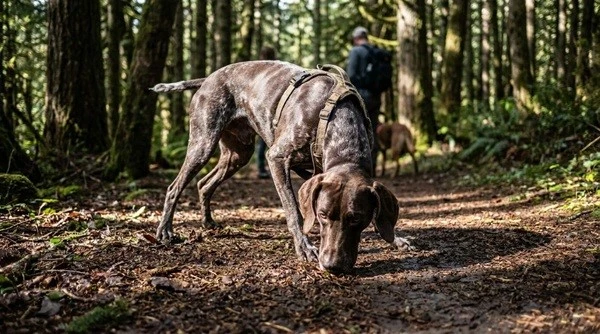
A dog's ability to follow scent is the foundation of long-distance tracking. Begin with short, simple scent trails in grassy areas or woodland environments.
You can create a short trail using a suitable scent article or a legal training scent. Start with a short distance and allow your dog to investigate the trail at its own pace. Reward the dog when it successfully follows the scent to the end.
As the dog improves, gradually extend the trail and introduce gentle turns. Avoid making every training session too difficult. Building confidence through repeated success helps develop reliable tracking behavior.
3. Increase Distance and Terrain Difficulty
Once your dog consistently follows short trails, begin extending the tracking distance. Increase the length gradually rather than expecting the dog to cover several kilometers immediately.
Practice in different environments, including open fields, wooded trails, and uneven ground. Changes in vegetation, wind, temperature, and terrain can affect scent movement and tracking difficulty.
Allow your dog to work at a comfortable pace. Long-distance tracking is not simply about running farther or faster; it requires concentration, stamina, and the ability to recover a scent trail when it becomes difficult to follow.
4. Develop Endurance Through Regular Exercise
Physical conditioning plays an important role in long-distance hunting. A dog needs sufficient strength and stamina to travel across challenging terrain without becoming exhausted.
Start with regular walks and gradually introduce longer hikes and controlled off-leash exercise in safe, permitted areas. Adjust the workload according to your dog's age, breed, fitness level, and health.
Provide fresh water, rest breaks, and recovery time after demanding sessions. Avoid intensive exercise during extreme heat, and consult a veterinarian before beginning a strenuous conditioning program.
5. Train in Realistic Hunting Environments
Training in realistic environments helps dogs apply their tracking skills outside familiar practice areas. Introduce distractions gradually, such as unfamiliar animal scents, natural obstacles, and changing weather conditions.
Keep sessions structured and finish with a successful exercise whenever possible. If your dog loses the trail, give it time to work independently before offering gentle guidance.
Consistency is more valuable than excessive training. Several short, productive sessions each week can be more effective than occasional exhausting workouts.
6. Use GPS Technology to Improve Safety
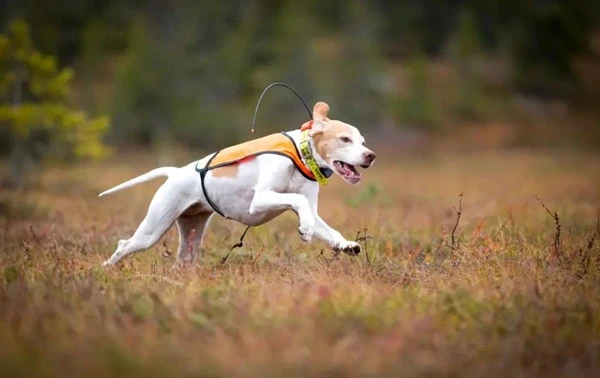
Modern GPS dog trackers can help hunters monitor their dogs during long-distance training and fieldwork. Depending on the system, a tracker may provide real-time location updates, distance information, and a recorded route.
These features help handlers understand how far a dog travels, identify areas where it frequently works, and locate it when visibility is limited. In remote areas, choose equipment suited to the available communication coverage and terrain.
GPS technology should support training and safety, not replace obedience, supervision, or responsible hunting practices.
Conclusion
Training a hunting dog for long-distance tracking takes time, patience, and a structured approach. By combining obedience, scent work, gradual distance increases, physical conditioning, and realistic field practice, hunters can develop dogs that track more confidently and consistently.
Most importantly, prioritize your dog's health, safety, and welfare throughout the process. A successful tracking dog is not simply one that travels the farthest, but one that works intelligently, maintains focus, and responds reliably to its handler.