What Experienced Hunters Notice That Beginners Miss: 7 Secrets To Becoming A Better Hunter
Oct 12, 2026
Hunting is more than simply finding an animal and following its tracks. It requires patience, observation, experience, and the ability to understand the natural environment. While beginners often focus on spotting game, experienced hunters pay attention to details that others easily overlook. These small differences can have a significant impact on hunting success.
So, what do experienced hunters notice that beginners miss? Here are seven important lessons every hunter should understand.
1. Small Signs Tell a Bigger Story
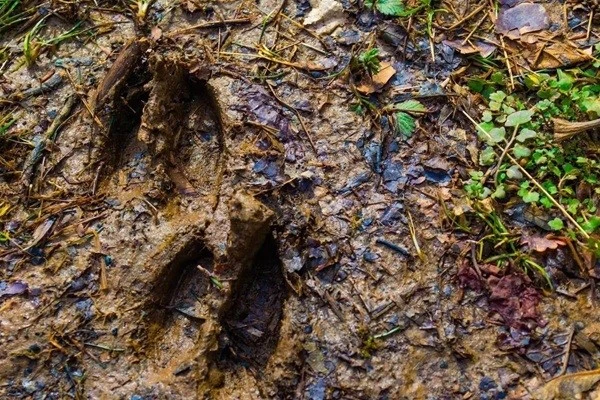
Beginners often look for obvious signs, such as fresh tracks or visible animals. Experienced hunters, however, know that the smallest details can reveal valuable information. Broken branches, disturbed leaves, muddy footprints, and fresh droppings can all indicate recent animal activity.
By studying these signs together, hunters can develop a better understanding of where animals have been and where they might move next. Learning to recognize these subtle clues takes time, but it is one of the most valuable skills a hunter can develop.
2. Wind Direction Matters More Than You Think
One common mistake beginners make is paying too much attention to their position while ignoring the wind. Many wild animals have an excellent sense of smell, and an unfavorable wind direction can alert them to human presence long before they are seen.
Experienced hunters regularly check wind direction and adjust their approach accordingly. They also consider how terrain, vegetation, and changing weather conditions may affect airflow.
Understanding the wind can help hunters move more carefully and avoid disturbing wildlife unnecessarily.
3. Animals Follow Patterns, Not Random Paths
Wild animals may appear unpredictable, but their movements are often influenced by food availability, water sources, shelter, weather, and human activity.
Experienced hunters look for these patterns instead of wandering through the woods without a plan. For example, they may observe feeding areas, animal trails, and signs of movement between bedding and feeding locations.
Keeping notes about previous trips can also reveal useful patterns over time. Successful hunting often depends less on luck and more on understanding animal behavior.
4. Hunting Dogs Need More Than Speed
In hunting situations involving dogs, beginners sometimes assume that the fastest or most energetic dog will perform best. Experienced hunters understand that speed alone is not enough.
Endurance, scenting ability, obedience, temperament, and the ability to work with other dogs are equally important. A well-conditioned dog that maintains focus throughout a long day may be more valuable than one that starts quickly but tires easily.
Hunters should also monitor their dogs for signs of fatigue, overheating, dehydration, or injury. Proper conditioning, adequate rest, and access to clean water help keep working dogs healthy and ready for the field.
5. Technology Is Most Useful When Used Wisely
Modern hunting equipment has changed the way hunters prepare for outdoor activities. GPS dog trackers, digital maps, compasses, and communication devices can help hunters stay oriented and monitor their dogs in challenging terrain.
However, experienced hunters understand that technology should support outdoor skills rather than replace them. Batteries can run low, signals can become unreliable, and electronic devices may not work as expected in every environment.
Before heading out, hunters should learn how their equipment works, check battery levels, and prepare backup navigation methods.

6. Patience Often Beats Constant Movement
Beginners may feel that moving constantly increases their chances of finding game. In reality, unnecessary movement can create noise, disturb wildlife, and make it harder to observe natural behavior.
Experienced hunters know when to move and when to wait. They take time to study their surroundings, listen for unusual sounds, and notice changes in animal activity.
Patience also helps hunters make better decisions instead of reacting impulsively. In many outdoor situations, careful observation is more valuable than rushing toward the next opportunity.
7. Safety Comes Before Success
Perhaps the most important difference between experienced hunters and beginners is their attitude toward safety. Experienced hunters prepare for changing weather, difficult terrain, unexpected delays, and communication problems.
They understand the importance of carrying essential supplies, following local hunting regulations, identifying targets clearly, and maintaining safe firearm handling practices. When hunting with dogs, they also consider the animals' welfare and ensure that the group can locate and recover them safely.
A successful hunting trip is not measured only by the game found. Returning home safely with healthy dogs and a positive experience matters just as much.
Final Thoughts
The difference between experienced hunters and beginners is rarely explained by equipment alone. It comes from learning to recognize small signs, understand animal behavior, respect the wind, care for hunting dogs, and make thoughtful decisions in the field.
These skills develop through practice, careful observation, and a willingness to learn from every outing.
Whether you are new to hunting or have years of outdoor experience, remember that the forest always has something to teach you. Slow down, pay attention to the details, and prepare properly before every trip. Over time, you may discover that the things you once overlooked are the very things that make you a better hunter.