

How To Choose The Best Dog For Hog Hunting: 7 Essential Qualities To Look For
Oct 08, 2026
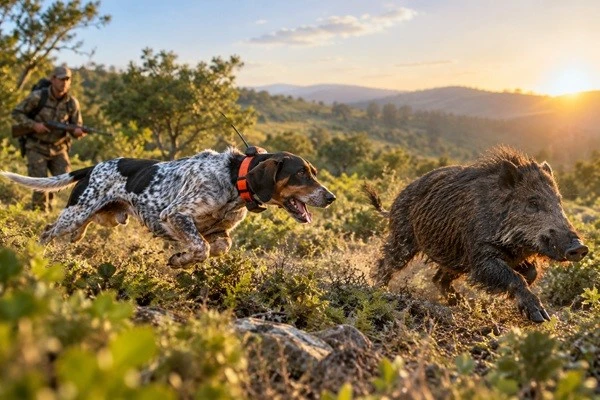
Hog hunting is one of the most demanding forms of hunting with dogs. Wild hogs are strong, fast, unpredictable, and capable of traveling through thick vegetation and difficult terrain. For hunters who rely on dogs, choosing the right hunting dog can make a major difference in both performance and safety. But what should you look for when selecting a dog for hog hunting?
1. Choose a Dog with Strong Stamina
Stamina is one of the most important qualities in a hog-hunting dog. A good hunting dog may need to run for long periods, cross rough terrain, and continue working even when conditions become challenging.
Look for dogs with good physical conditioning, strong legs, and excellent endurance. Speed is useful, but a dog that can maintain its energy throughout a long hunt is often more valuable than one that is simply fast.
2. Look for Confidence and Courage
Wild hogs can be intimidating animals. A suitable hog dog needs to remain focused and confident when encountering unfamiliar animals and difficult situations.
However, courage does not mean reckless aggression. The best hunting dogs know how to work with the hunter and maintain an appropriate distance from the hog. A confident but controllable dog is generally more useful than one that acts without responding to commands.
3. Consider Tracking Ability
A good nose and strong tracking instincts are essential. Hogs can leave scent trails across forests, fields, and thick brush, and their movements can sometimes be difficult to predict.
When choosing a dog, pay attention to its natural ability to follow scent and locate animals. Strong tracking instincts can significantly reduce the time hunters spend searching for a trail.
4. Evaluate Trainability
Even a naturally talented dog needs proper training. A good hog-hunting dog should learn basic commands and be comfortable working around its handler and other dogs.
Training should focus on obedience, recall, tracking, and controlled behavior. Consistent training also helps improve communication between the hunter and the dog during challenging hunts.
5. Match the Dog to the Hunting Environment
Not every dog is suitable for every hunting environment. Hunters should consider the terrain, climate, hunting style, and distance the dog will need to cover.
A dog working in hot, rugged terrain may require excellent heat tolerance and endurance, while hunting in dense forests may place greater demands on agility and tracking ability.
6. Use Technology for Better Safety
Modern GPS dog trackers can provide an additional layer of safety and control. A GPS collar allows hunters to monitor a dog's location, movement, and distance in real time, which can be especially useful when hunting in large or heavily wooded areas.
Instead of relying only on sight or sound, hunters can use GPS technology to maintain better awareness of where their dogs are during the hunt.
Final Thoughts
Choosing the right dog for hog hunting is about more than breed. Stamina, confidence, tracking ability, trainability, and adaptability are all important factors. Most importantly, the dog should be physically prepared and properly trained for the demands of the environment.
With the right dog, careful training, and reliable tracking technology, hunters can build a safer and more effective hunting team ready to handle the challenges of the field.


