What Time Of Day Are Wild Boars Most Active? Understanding Their Daily Habits
Nov 23, 2026
Wild boars are fascinating but unpredictable animals. Whether you are a wildlife enthusiast, hunter, or someone who enjoys exploring the outdoors, understanding when wild boars are most active can help you learn more about their behavior and movements. So, what time of day are wild boars most active?
In most areas, wild boars are primarily active during the early morning, late evening, and nighttime. However, their activity patterns can change depending on weather conditions, food availability, hunting pressure, and the surrounding environment.
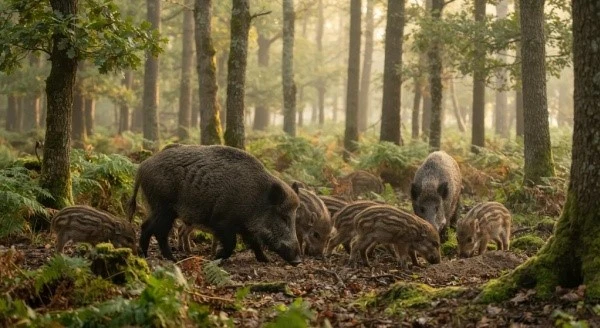
1. Early Morning: An Active Feeding Period
Wild boars often become active before sunrise and continue searching for food during the early morning hours. They may leave their resting areas to explore nearby forests, fields, and feeding grounds.
During this period, they commonly search for roots, acorns, nuts, insects, and other natural food sources. They use their powerful snouts to dig through soil and fallen leaves.
Early morning is also a time when wild boars may move between feeding areas and sheltered locations. Their tracks, disturbed soil, and footprints can provide clues about their recent movements.
2. Evening and Night: Peak Activity Hours
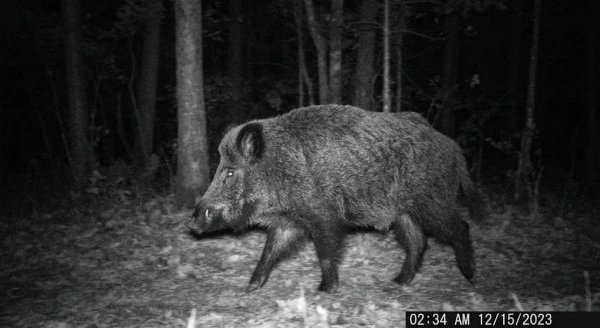
Wild boars are generally nocturnal or crepuscular, meaning they are often most active around sunset and throughout the night.
As daylight fades, they begin leaving their daytime resting places in search of food and water. Darkness provides some protection from human activity and other potential threats.
In areas with heavy hunting pressure or frequent human disturbance, wild boars may become almost entirely nocturnal. They often travel along familiar paths, forest edges, and natural corridors while searching for food.
Their excellent sense of smell and hearing helps them navigate and detect potential danger in low-light conditions.
3. Daytime: Resting and Staying Hidden
During the middle of the day, wild boars usually prefer to rest in thick vegetation, dense forests, tall grass, or other sheltered areas.
These resting places provide protection from predators, humans, and extreme weather conditions.
However, wild boars are not always inactive during daylight. In remote forests with little human disturbance, they may continue feeding or moving throughout the day.
Their daytime behavior depends heavily on local conditions and how safe they feel in their environment.
4. How Weather Affects Wild Boar Activity
Weather plays an important role in determining when wild boars move and feed.
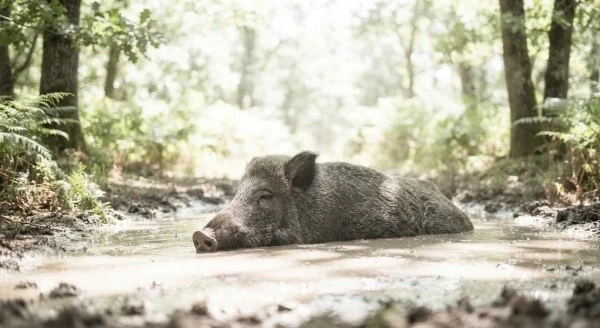
During hot summer days, wild boars tend to avoid direct sunlight and may become more active after sunset. They also frequently visit water sources and muddy areas to cool down.
In colder weather, they may spend more time searching for food during daylight hours when temperatures are more comfortable.
Rain can also influence their movements. Wet soil makes it easier for wild boars to dig for roots, insects, and other food sources. However, their response to rainfall varies depending on its intensity and local conditions.
5. How to Recognize Wild Boar Movement
Understanding wild boar activity is not just about knowing the time. Recognizing signs of their presence is equally important.
Look for the following clues:
Footprints: Fresh tracks can indicate recently used trails.
Rooting marks: Turned-over soil suggests that wild boars have been searching for food.
Mud and wallows: Muddy areas may reveal locations where wild boars cool themselves.
Droppings: These can help identify frequently used areas.
Broken vegetation: Damaged plants and low branches may indicate animal movement.
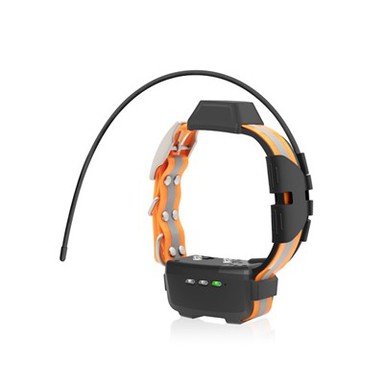
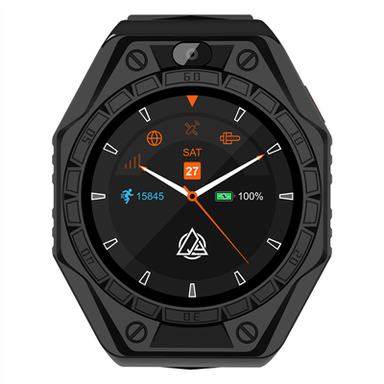
For hunters working with hunting dogs, reliable dog-tracking equipment can also make a difference when operating in dense forests or remote hunting areas.
Conclusion
So, what time of day are wild boars most active? In general, early morning, sunset, and nighttime are the most common periods of activity. However, their daily routines can vary significantly depending on temperature, food sources, habitat, and human disturbance.
Understanding these patterns helps hunters and outdoor enthusiasts make better decisions, recognize wildlife signs, and stay prepared in the field.
Whether observing wildlife or hunting with trained dogs, knowledge of wild boar behavior is an important part of a safe and successful outdoor experience.