How Technology Is Revolutionizing Modern Dog Hunting
Oct 17, 2026
Dog hunting has evolved significantly over the years. While traditional skills such as patience, observation, and understanding animal behavior remain essential, modern technology is changing how hunters work with their dogs. From GPS tracking collars to real-time communication systems, new tools are making hunting more efficient, safer, and more accessible than ever before.
1. GPS Trackers: Keeping Hunting Dogs Within Reach
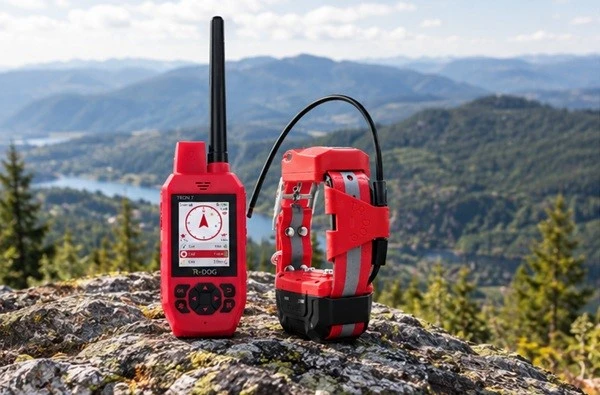
One of the most important technological advances in modern dog hunting is the GPS tracking collar. In dense forests, mountainous terrain, and remote hunting areas, dogs can quickly move beyond their owners' sight. Without reliable tracking equipment, locating a dog can become difficult and time-consuming.
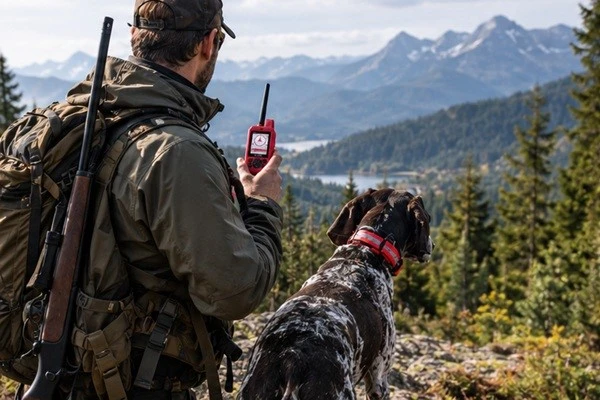
GPS tracking systems allow hunters to monitor their dogs' positions directly from a handheld device or smartphone. Many systems also display movement history, helping hunters understand where their dogs have traveled and identify frequently visited areas.
For hunters who work with multiple dogs, tracking several collars simultaneously makes it easier to coordinate the team and keep track of every animal in the field.
2. Dual Communication Systems Improve Reliability
Traditional tracking equipment often depends on radio signals, while newer systems may combine radio communication with cellular networks. Each technology offers different advantages.
Radio communication can help hunters locate their dogs in remote areas where mobile coverage is unavailable. Cellular connectivity can provide broader tracking capabilities wherever a suitable network is available.
By combining these technologies, modern tracking systems offer greater flexibility across different hunting environments. Hunters can stay connected with their dogs even when conditions change, although actual performance depends on terrain, signal conditions, and network availability.
3. Smart Collars Provide More Than Location Data
Today's hunting dog collars are becoming increasingly intelligent. In addition to GPS positioning, some models include bark detection, movement alerts, sound monitoring, and other useful features.
For example, bark alerts can help hunters identify when a dog is actively barking in the field. Movement notifications may also indicate whether a dog has started moving or remained in one place for an extended period.
These features provide additional information that helps hunters make better decisions without constantly checking their dogs' positions.
4. Digital Maps Make Navigation Easier
Modern hunting equipment often supports digital maps, offline maps, and location history. These tools help hunters understand the surrounding terrain, plan routes, and retrace their steps when necessary.
Offline maps are particularly valuable in remote areas with limited internet access. By reviewing previous tracking records, hunters can also identify patterns in their dogs' movements and improve future training sessions.
However, electronic maps should complement traditional navigation skills rather than replace them entirely.
5. Technology Supports Better Dog Safety
Hunting dogs face various risks in the field, including getting lost, encountering dangerous wildlife, and becoming exhausted over long distances. Tracking technology helps owners respond more quickly when a dog moves too far away or enters an unexpected area.
Some systems allow hunters to share location information with teammates, making it easier to coordinate searches and assist one another when necessary.
Technology cannot eliminate every risk, but it provides valuable information that can improve preparation and decision-making.
6. The Future of Dog Hunting
As GPS accuracy, battery efficiency, wireless communication, and artificial intelligence continue to improve, hunting equipment will likely become even more capable. Future systems may offer more advanced behavior analysis, smarter alerts, and better integration between handheld devices and tracking collars.
Nevertheless, technology cannot replace a well-trained dog or an experienced hunter. Understanding animal behavior, practicing responsible hunting, and maintaining good communication with hunting dogs remain fundamental.
Conclusion
Technology is transforming modern dog hunting by making tracking easier, communication more reliable, and field navigation more convenient. GPS collars, dual communication systems, smart alerts, and digital maps give hunters greater control and valuable insight into their dogs' activities.
For modern hunters, the best approach is to combine these technological advantages with traditional outdoor knowledge and responsible dog handling. When used correctly, the right equipment can help create a safer, more organized, and more rewarding hunting experience.