

The Art Of Hunting With Dogs: A Comprehensive Guide
May 29, 2023
The Art of Hunting with Dogs: A Comprehensive Guide
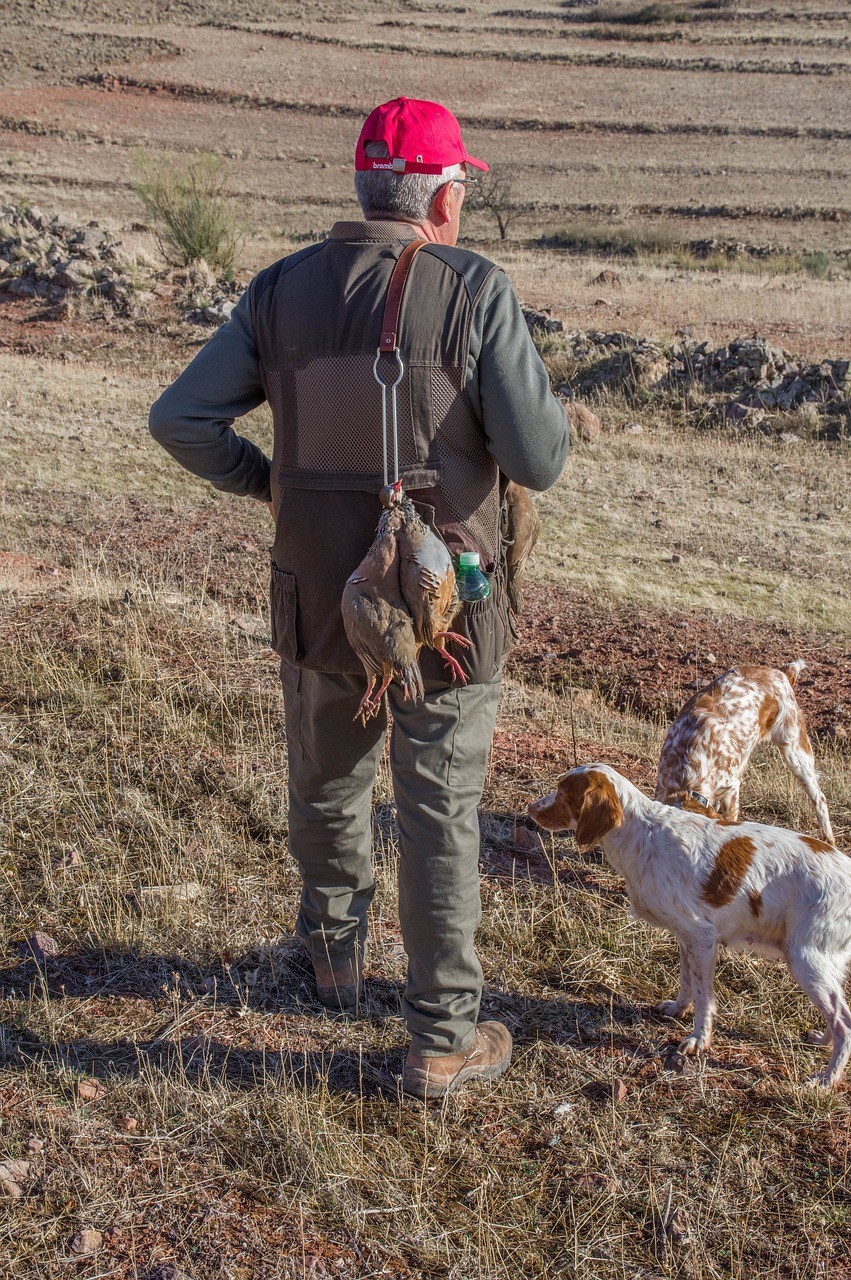
Hunting, as an ancient practice, has been an essential part of human survival for thousands of years. In particular, hunting with dogs has played a crucial role in this activity, with dogs being our loyal companions and skilled partners in the field. In this comprehensive guide, we will explore the rich history of hunting with dogs, the various types of hunting dogs, and the essential techniques for training and preparing your four-legged friend for a successful hunt. We will also delve into the ethics and legalities surrounding hunting with dogs, and discuss the essential gear required for a safe and enjoyable hunting experience.
The History of Hunting with Dogs
The bond between humans and dogs dates back to the time when ancient hunters first domesticated wild wolves to assist in hunting for food and protection. As time went on, humans began to selectively breed dogs for specific hunting purposes, resulting in the development of various hunting dog breeds. These specialized hunting breeds were used not only for tracking and retrieving game, but also for herding and guarding livestock.
In Europe, hunting with dogs was once considered an exclusive privilege for the wealthy ruling class. However, with the arrival of European settlers to North America, hunting became a common pastime and essential means of survival for all, regardless of social status. Throughout the years, hunting with dogs has evolved from a means of sustenance to a popular sport and recreational activity enjoyed by many enthusiasts worldwide.
Types of Hunting Dogs
Hunting dogs can be broadly categorized into two main groups: hounds and gun dogs. These dog breeds have unique abilities and characteristics that make them suited for different types of hunting, depending on the prey being pursued.
Hounds
Hounds are known for their exceptional scent-tracking abilities and loud voices, making them ideal for pursuing running game such as rabbits, deer, and foxes. Hounds can be further divided into scenthounds and sighthounds.
Scenthounds
Scenthounds primarily track prey by following scent trails. They have extraordinarily keen noses, enabling them to detect and follow the scent of their quarry over long distances. Scenthounds are also known for their loud, baying voices, which allow their handlers to follow their progress during a hunt. Some popular scenthound breeds include:
- Bloodhounds
- Beagles
- Basset Hounds
- Foxhounds
Sighthounds
As their name suggests, sighthounds primarily rely on their vision to locate and pursue game. They are characterized by their speed and agility, making them the perfect choice for hunting fast, running prey. Some popular sighthound breeds include:
- Greyhounds
- Whippets
- Salukis
- Afghan Hounds
Gun Dogs
Gun dogs, also known as bird dogs, are used primarily for hunting birds and small game. They are trained to locate, flush out, and retrieve game for their handlers. Gun dogs can be further categorized into pointers, flushers, and retrievers.
Pointers
Pointers are skilled at locating hidden game by detecting airborne scents. Once they locate the game, they stand still and point towards it, allowing their handler to approach and flush out the prey. Some popular pointer breeds include:
- English Pointers
- German Shorthaired Pointers
- Weimaraners
- Vizslas
Flushers
Flushers excel at staying close to their handlers and quickly flushing out game, forcing it to take flight for an immediate shot. Spaniels are the most common type of flushers, with popular breeds including:
- English Springer Spaniels
- Cocker Spaniels
- Field Spaniels
Retrievers
Retrievers are trained to sit by their handler's side until game is shot, then spring into action to retrieve the downed prey. They are often used for waterfowl hunting, as they are skilled at swimming and retrieving game from water. Some popular retriever breeds include:
- Labrador Retrievers
- Golden Retrievers
- Chesapeake Bay Retrievers
- Flat-Coated Retrievers
Training Your Hunting Dog
Regardless of the breed or type of hunting dog you choose, proper training is essential for a successful hunting experience. Training should begin as early as possible, with obedience training being the foundation for all other hunting skills.
Obedience Training
Basic obedience skills are crucial for any hunting dog, as they form the basis of all other hunting-related training. Some fundamental obedience commands that your dog should master include:
- Sit
- Stay
- Come
- Heel
It's important to be patient and consistent during obedience training, using positive reinforcement and rewards to encourage desired behaviors.
Hunting-Specific Training
Once your dog has a strong foundation in basic obedience, you can begin to focus on hunting-specific skills, such as tracking, flushing, pointing, and retrieving. The exact training methods and techniques will vary depending on the type of hunting dog and the game you intend to pursue. Some general tips for hunting-specific training include:
- Expose your dog to various terrains, weather conditions, and other environmental factors to help them become comfortable and confident in different hunting situations.
- Introduce your dog to the scent of the game you'll be hunting, using scent drags or live game if possible.
- Practice tracking and flushing drills using decoys or live game to help your dog hone their hunting skills.
- Use gunfire or other loud noises during training sessions to help your dog become accustomed to the sound and not be frightened during an actual hunt.
The Ethics and Legality of Hunting with Dogs
The use of dogs in hunting is a topic that has sparked much debate, with some arguing that it is an unfair and outdated practice. However, it is essential to consider that hunting with dogs is rooted in tradition and serves a practical purpose for many hunters.
In the United States, hunting with dogs is legal in certain states, although there are often restrictions and regulations in place to ensure ethical and responsible hunting practices. It's crucial to familiarize yourself with your state's hunting laws and regulations before embarking on a hunting trip with your canine companion.
Preparing for a Hunt: Essential Gear and Safety Tips
Before heading out on a hunt with your dog, it's essential to ensure that both you and your canine companion are adequately prepared. This includes having the proper gear and taking necessary safety precautions.
Hunting Gear for Your Dog
Ensuring your dog is equipped with the right gear is essential for a safe and successful hunt. Some essential items to consider include:
- A sturdy, well-fitting collar and leash
- A comfortable, high-visibility vest or harness to help other hunters easily identify your dog
- A GPS tracking collar to monitor your dog's location during the hunt
- A first-aid kit specifically designed for dogs, including items such as bandages, wound care supplies, and emergency contact information for a veterinary clinic
Hunting Gear for Yourself
In addition to equipping your dog with the necessary gear, you'll also need to ensure that you have the proper hunting equipment and attire. Some essential items include:
- A reliable firearm or bow, along with the appropriate ammunition or arrows
- Appropriate clothing, including camouflage, blaze orange, or other high-visibility gear
- A comfortable and sturdy pair of hunting boots
- A well-stocked first-aid kit for yourself
Safety Tips for Hunting with Dogs
Hunting with dogs can be a thrilling and rewarding experience, but it's essential to prioritize safety for both you and your canine companion. Some safety tips to keep in mind include:
- Always keep your firearm pointed in a safe direction, and never point it at your dog or other hunters.
- Be aware of your surroundings and the location of other hunters in your group.
- Ensure your dog is under control at all times, using a leash or voice commands as necessary.
- Familiarize yourself with the game you are hunting and their typical behaviors, as well as any potential dangers or hazards in the hunting area.
The Future of Hunting with Dogs
Although hunting with dogs is a practice steeped in tradition, it has faced increasing scrutiny and regulation in recent years. As a result, it is essential for dog hunters to engage in responsible, ethical hunting practices and adhere to all relevant laws and regulations to ensure the continuation of this storied pastime.
By educating others about the benefits and challenges of hunting with dogs and promoting responsible hunting practices, the hunting community can help ensure that this time-honored tradition remains a viable and enjoyable pursuit for generations to come.
Hunting with dogs is an ancient practice with deep historical roots, and it remains a popular sport and recreational activity for many enthusiasts today. By understanding the different types of hunting dogs, the essential training techniques, and the ethics and legalities surrounding the practice, hunters can fully appreciate and enjoy the unique experience of hunting with their loyal canine companions. Whether you are a seasoned hunter or new to the sport, hunting with dogs offers an unparalleled connection to nature and the thrill of the hunt.


