How To Keep Hunting Dogs Safe In The Field: 10 Essential Tips Every Hunter Should Know
Nov 02, 2026
Hunting with dogs is an exciting outdoor experience, but keeping your canine companions safe should always be a top priority. Whether you are hunting wild boar, deer, or other game, hunting dogs often work in challenging environments filled with potential hazards. From rough terrain and extreme weather to wildlife encounters and long distances, proper preparation can make a significant difference. Here are ten essential tips to help keep hunting dogs safe in the field.

1. Use a Reliable GPS Dog Tracker
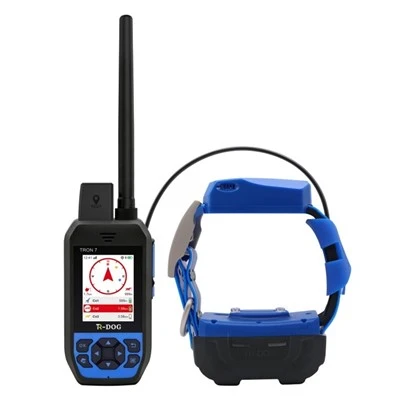
One of the biggest risks during hunting is losing track of your dog. Dense forests, mountains, and large hunting areas can make visual contact difficult. A reliable GPS dog tracking system allows hunters to monitor their dogs' locations, directions, and movements in real time. This technology helps hunters locate dogs quickly and respond when they move too far away.
2. Prepare Your Dog Before Hunting
Physical conditioning is essential for hunting dogs. Regular exercise, endurance training, and obedience practice help dogs handle demanding outdoor activities. Before each hunting trip, make sure your dog is healthy, energetic, and ready for the conditions.
3. Provide Enough Water
Hunting dogs can become dehydrated quickly, especially during warm weather or intense physical activity. Always carry enough fresh water and offer regular drinking breaks. Never assume that natural water sources are safe for dogs.
4. Protect Dogs From Extreme Weather
Cold temperatures, rain, and excessive heat can create serious health risks. Watch for signs of overheating, such as excessive panting, weakness, or confusion. During cold weather, provide opportunities for dogs to rest and dry off.
5. Check Your Dog's Equipment
Before entering the hunting field, inspect collars, GPS trackers, harnesses, and other equipment. Make sure everything fits properly and works correctly. A secure tracking collar can improve visibility and help prevent dogs from becoming lost.

6. Avoid Dangerous Terrain
Sharp rocks, deep water, steep slopes, and thick vegetation can cause injuries. Pay attention to the terrain and avoid sending dogs into areas where they may become trapped or seriously injured.
7. Keep Vaccinations and First Aid Updated
Hunting dogs may encounter ticks, parasites, wild animals, and contaminated environments. Keep vaccinations and parasite prevention up to date. Carry a canine first-aid kit containing bandages, antiseptic supplies, and essential emergency items.
8. Maintain Communication
Hunters should establish clear communication methods before starting the hunt. GPS tracking devices, radios, and training commands help hunters coordinate movements and respond to emergencies.
9. Monitor Your Dog's Behavior
Watch your dog's movements, energy levels, and behavior throughout the hunt. Unusual fatigue, limping, excessive barking, or sudden changes in movement may indicate a problem.
10. Inspect Your Dog After Hunting
After every hunting trip, carefully examine your dog for cuts, ticks, thorn injuries, and signs of exhaustion. Clean the dog's paws, provide fresh water, and allow sufficient rest.
Conclusion
Keeping hunting dogs safe requires preparation, awareness, and reliable equipment. By combining proper training, regular health checks, adequate hydration, and modern GPS tracking technology, hunters can reduce risks and protect their canine companions.
A successful hunt is not only about finding game-it is also about bringing every dog safely home.