What Weather Is Best For Hog Hunting? A Complete Guide To Hunting Conditions
Jul 20, 2026
Wild hogs are one of the most challenging and exciting game animals to hunt. Their excellent sense of smell, keen hearing, and ability to adapt to different environments make them difficult to locate. While skill, equipment, and knowledge of the terrain are important, weather conditions can greatly influence a successful hunt. Understanding how hogs react to different types of weather allows hunters to plan their trips more effectively and increase their chances of success.

Cool Weather Is Ideal
The best weather for hog hunting is generally cool, especially during the early morning or late evening. Wild hogs are sensitive to heat because they have very few sweat glands. During hot weather, they avoid unnecessary movement and spend much of the day resting in shaded forests, thick brush, or muddy wallows to stay cool.
When temperatures are lower, hogs become much more active. They travel longer distances in search of food such as acorns, roots, crops, insects, and small animals. Cool weather encourages longer feeding periods, making it easier for hunters to spot fresh tracks or encounter moving animals.
Light Rain Can Improve Hunting
A light rain is often considered excellent for hog hunting. Moist soil makes fresh tracks easier to identify, helping hunters determine the direction and timing of hog movement. Rain also softens leaves and forest debris, allowing hunters to move more quietly through the woods.
Additionally, light rain can reduce scent in the air, making it slightly harder for hogs to detect human odor. Since wild hogs rely heavily on their noses, this can provide a significant advantage when approaching cautiously.
However, heavy rain is a different story. During storms or prolonged rainfall, hogs usually seek shelter in dense vegetation and reduce their activity until conditions improve.
Wind Direction Matters
Wind is one of the most important weather factors in hog hunting. A wild hog's sense of smell is its strongest defense. Even if a hunter remains perfectly still, a hog can detect human scent from a considerable distance if the wind carries it in the wrong direction.
Successful hunters always pay attention to wind direction before entering hunting areas. Whenever possible, approach from downwind so your scent is carried away from the animals. Portable wind indicators or simply observing drifting leaves can help determine the wind's direction throughout the hunt.
Cloudy Days Offer Better Opportunities
Cloud cover often extends the amount of time hogs remain active during daylight hours. Bright sunshine increases temperatures quickly, encouraging hogs to retreat into heavy cover. On overcast days, cooler temperatures allow them to continue feeding longer, especially in open fields or forest edges.
This makes cloudy mornings and afternoons excellent opportunities for hunters who prefer daytime hunting instead of waiting until dusk.
Seasonal Weather Patterns
Autumn is widely considered one of the best seasons for hog hunting. Cooler temperatures and abundant natural food sources encourage regular movement. Winter can also be productive, particularly in regions where snow is uncommon. In colder months, hogs spend more time feeding to maintain energy, increasing the chances of sightings.
During summer, hunting is usually most successful at sunrise, sunset, or after dark, when temperatures are lower and hogs leave their bedding areas.
Combine Weather with Technology
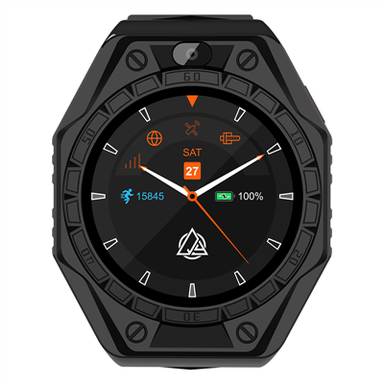
Weather conditions help predict hog behavior, but modern technology can make hunting even more efficient. GPS dog tracking systems allow hunters to monitor their hunting dogs in real time, even in dense forests or rough terrain. Knowing your dog's exact location, movement, and distance helps maintain safety while improving coordination during the hunt.
Experienced hunters often combine favorable weather conditions with reliable tracking equipment to maximize their chances of locating and recovering wild hogs.
Conclusion
No single weather condition guarantees a successful hog hunt, but cool temperatures, light rain, cloudy skies, and favorable wind direction consistently create better opportunities. By understanding how weather influences wild hog behavior and preparing accordingly, hunters can make smarter decisions in the field. Combined with patience, knowledge of local habitats, and dependable hunting equipment, choosing the right weather can significantly improve both the experience and the outcome of every hog hunting trip.