What Is The Best Time To Go Hunting
Oct 31, 2024
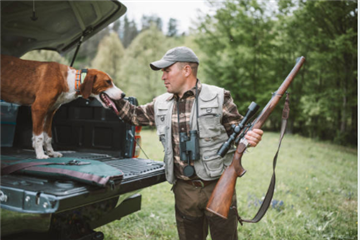
When it comes to planning a hunting trip, timing is crucial. Hunting isn't just about skill or equipment; it also depends heavily on season, weather, and the behavior patterns of your target animals. Whether you're after deer, turkey, or waterfowl, knowing the optimal times to hunt can increase your chances of success. Here's a breakdown of key factors to consider when deciding on the best time to hunt.
1. Seasonal Timing
Fall and Winter:
For most hunters, fall is the primary season due to the availability of game and favorable weather conditions. Deer hunting, for example, often peaks during the fall rut when bucks are more active and less cautious. Winter can also be productive for hunting larger game, especially after the initial hunting pressure decreases. Cold weather typically causes animals to move more in search of food, creating more opportunities for hunters.
Spring and Early Summer:
Spring is prime time for turkey hunting, as males are often vocal and active, making it easier to call them in. Waterfowl hunters may also find success in spring migrations, though this depends on local regulations and conservation efforts. Early summer isn't typically as active for hunting, but it can still be fruitful for hunting smaller game, like rabbits and squirrels.
2. Time of Day
Early Morning:
Animals are generally most active around dawn. Cooler temperatures make early mornings especially good for deer hunting, as they are likely to be moving around, feeding, or traveling to bedding areas. Morning hunts also provide the added advantage of natural light, helping hunters track and identify game more easily.
Late Afternoon and Early Evening:
Late afternoon is another productive time, as many animals, particularly deer, become active again after resting during the midday hours. This period offers an advantage with the shifting sunlight, which often makes it easier for hunters to approach without being seen.
3. Weather Conditions
Weather has a significant impact on animal behavior, and understanding it can help hunters determine when to go out. For instance:
-Overcast Days: Animals are more active on cloudy days since there's less sunlight to limit their movement.
-Rainy Days:Light rain can be advantageous, muffling a hunter's movements. However, heavy rain can limit visibility and make hunting challenging.
-Windy Days:Mild wind can help mask scent and sound, but strong winds might deter animal movement altogether. Positioning downwind can also reduce the likelihood of alerting animals with your scent.
4. Moon Phases
Believe it or not, moon phases can impact hunting success. Animals, particularly deer, tend to be more active on nights with a full moon, as the brightness allows them to move and feed freely. While this might make morning hunts less productive, late-afternoon or midday hunts may become more successful after a full moon.
5. Local Regulations and Safety
Before heading out, always check local hunting regulations to ensure you're in compliance with the rules for the hunting season and time of day. Certain regions have specific times when hunting is allowed, and safety precautions should always be taken, especially during peak hunting seasons.
Conclusion
The best time to hunt largely depends on your target species, local conditions, and how willing you are to adapt. A successful hunter studies the habits of their prey, the local environment, and timing patterns to maximize their chances. By choosing the right season, time of day, and weather conditions, you can make the most of every hunting expedition.