Do GPS Dog Fences Really Work? Here's Everything You Need To Know
Aug 24, 2022
Are you considering a wireless GPS electronic pet fence (often called an "invisible fence"*) to keep your dog in the yard? How do wireless GPS systems compare to traditional wired (underground) dongle fences? Do they provide the same level of safety for your pet?

Overview
Most electronic pet fence systems (including DogWatch® Hidden Fence, Invisible Fence® and others) have buried wire, usually 2 to 6 inches below ground. The wire connects to a transmitter installed in your home or garage, which sends a harmless coded radio signal through the wire. Your pet wears a collar (called a receiver collar) that detects radio signals.
If your pet gets too close to an underground wire, the radio signal triggers a "beep" from the receiver collar, alerting the dog (or cat) to stay away from the buried wire. With a simple training program using flags to mark areas where it is safe to play, your pet will learn to identify safe locations and where to trigger an alarm. To enhance training, the receiver collar emits a brief static pulse (correction) if your pet gets too close to the thread. Pets quickly learn to correct discomfort and avoid buried boundary lines. After training, most pets stay away from the thread and in a designated safe area.
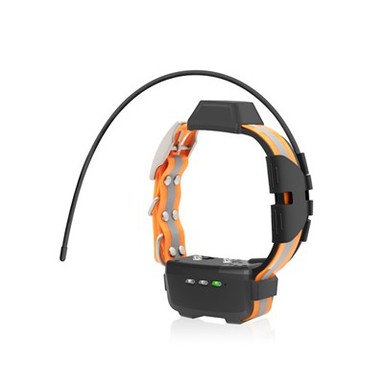
In contrast, wireless GPS pet fences use satellites to draw specific boundaries (geofencing) for pets, rather than buried wires and fixed radio signals. Fence boundaries are usually drawn by using honeycomb techniques. The receiving collar is connected to the GPS program, sends an alert to the receiving item if the pet is approaching the boundary, and corrects the pet if the pet does not retreat from the boundary.

While the goals of the two systems are similar, the use of GPS technology for pet shelter raises some concerns.
Concern 1 - Inconsistent Boundaries
1. Hidden fences with underground wires provide a consistent boundary that does not change unless the wires themselves move.
2. GPS dog fences, however, do not provide the same consistency. GPS coordinates can move and are susceptible to interference and changes in signal strength.
Why are consistent boundaries so important to electronic dog fences? In a word, training. In order for an electronic pet fence to work properly, pets need to be able to understand and recognize the boundaries of the containment area. Inconsistent boundaries can confuse pets and make training and containment less effective and less safe.
Some GPS systems say they are "portable" - you can take your containment system for camping, visiting friends, etc. That's right - you can set it anywhere, but aside from inconsistencies (probably lack of power and/or satellite service), how does the dog know where the boundaries are? Training (including flags, repetitions, and consistent boundaries) is the key to successful training and a happy pet. It can be done, but not as easy as advertised. And there is no way to control inconsistent boundaries.
Concern 2 – Reduced battery life
When it comes to electronic dog fences, battery life matters. Why? Because a dead battery means no audible alerts or corrections. As a result, pets are more likely to run across boundaries.

Most traditional underground electronic pet enclosures use replaceable receiver batteries with life cycles ranging from 3 months to 2 years. GPS pet enclosures typically use rechargeable batteries to power their receiver collars. The more often you need to recharge the battery, the more likely it is that the battery will die, which in turn increases the chances of your pet leaving the yard. Longer battery life and quick-change batteries provide your pet with more safety.
Concern 3 – Limited Use
GPS dog fences are not recommended for smaller properties as GPS boundary lines may change unpredictably (up to 10 feet). To keep pets away from hazards such as roads and wooded areas, border lines need to be moved away from the hazard area, reducing the overall size of the fenced area.
Focus 4 - Cost
Finally, GPS pet fences are expensive. They can cost hundreds or even thousands of dollars more than traditional underground electric fences. Additionally, some GPS pet fence systems require an ongoing monthly fee to use GPS and/or cellular network.