What Is A GPS For Dogs?
Aug 23, 2022
A Global Positioning System (GPS) tracker for dogs lets you know the whereabouts of your four-legged best friend whenever he’s out of sight. Beyond helping you find your dog when he’s gone astray, some models include features to track his daily physical activity and other health metrics—similar to activity trackers for people. Still others are invaluable tools for field training bird dogs.
How Do Dog GPS Collars Work?
GPS dog trackers relay information about your dog’s location to a connected device—in real time. The tracker includes a battery powered receiver that gathers data from multiple satellites in orbit around the earth. The GPS uses the data from the satellites to calculate your dog’s coordinates with a low margin of error.
The receiver continuously relays your dog’s location to an integrated handheld system or mobile device. This geolocation data is refreshed in two- to five-second intervals, depending on the model, which allows you to track your dog’s physical location, as well as his direction of travel.
Finding a lost dog is fast work with a dependable GPS dog collar. If your dog is an escape artist, or dashes through open doors when he sees the opportunity—these tracking collars offer welcome peace of mind.
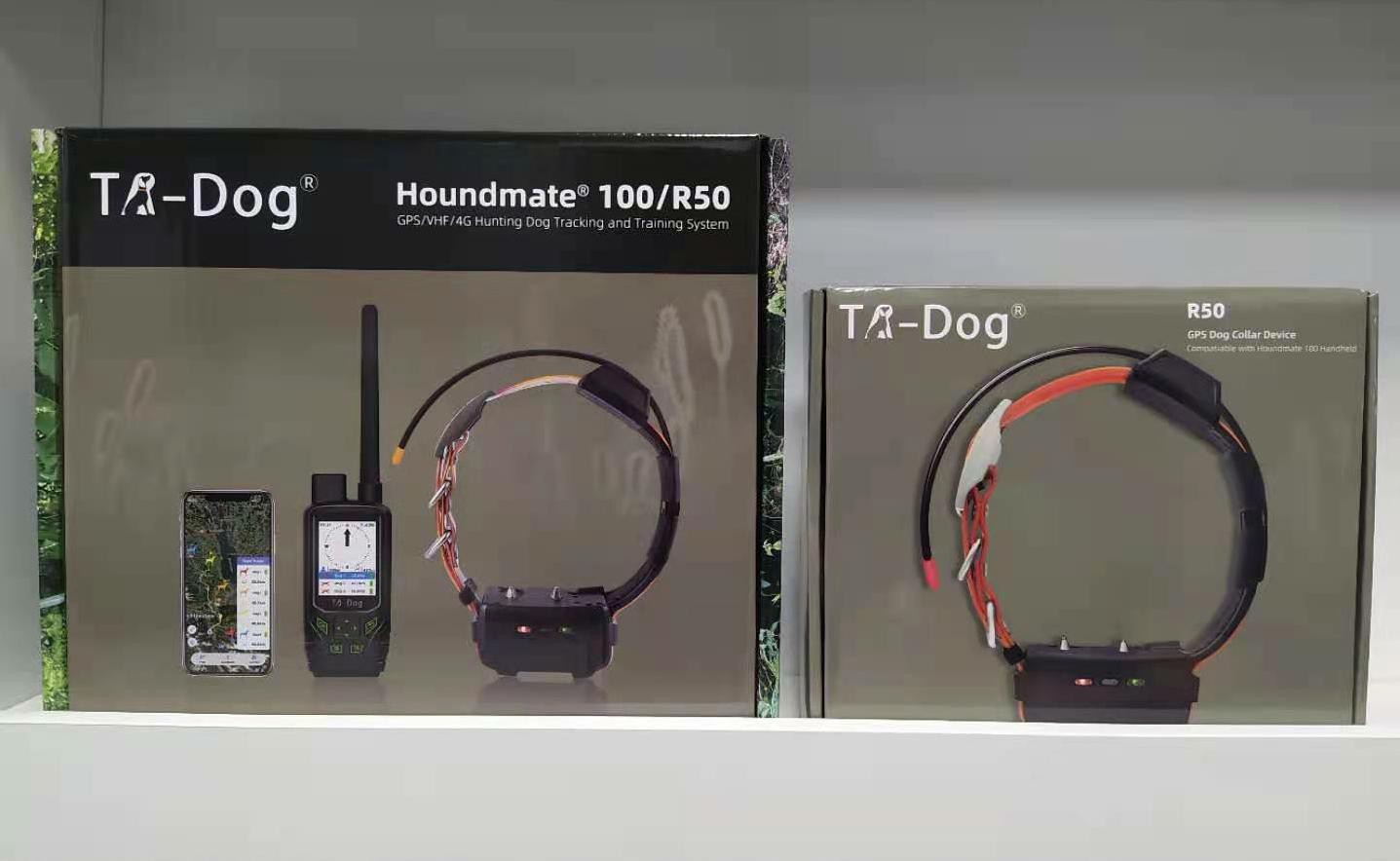
These devices originated as GPS dog training collars for sporting dogs. For centuries, hunters found ways to communicate with and track their gun dogs while upland hunting or field training. But now they can “see” their dog, or multiple dogs, in the field even when they’re out of sight.
GPS Dog Tracking Collars: Key Features
Tracking your dog’s current location with unfailing accuracy is the most crucial feature of any GPS dog tracking collar.
Whether the GPS receiver attaches to a collar or comes already connected to a collar, choose a device that is rugged and secure. The GPS tracker won’t do you much good if your dog wrestles his way out of the collar, or the device falls off or breaks easily. Similarly, a long battery life is essential so communication between the collar and your handheld device doesn’t cut out.
Many GPS collars include monitoring of activity levels, vital signs, and temperature, which are especially helpful for sick and elderly dogs. Others have two-way audio capabilities so you can hear whether your dog is barking or whining in distress, and provide verbal correction and comfort from afar if needed.
With a geofencing feature, you can create boundaries for your dog and receive alerts via text or email when he wanders outside of his safe zone.
GPS sporting dog collars include features tailored for hunting, including gentle electronic stimulation you can start and stop remotely. This stimulation helps keep your dog on task and on course if the tracker shows he’s at a standstill or wandering in the wrong direction.
Hunting dog tracking systems are typically water resistant and include topographic maps on the handheld device, which are helpful for hunters on the move. Training collars also often include an LED light you can turn on remotely for low-light hunting at dawn, twilight, or overnight.