What Do Hunters Need The Most?
Jan 03, 2025
Hunting is one of the oldest human activities, blending skill, patience, and strategy. Modern hunters engage in this practice not just for sustenance but also for sport and wildlife management. Regardless of the reason, hunters must be well-prepared to ensure a safe, successful, and enjoyable experience. Here, we explore the most critical needs of hunters, from gear to knowledge.
1. Proper Equipment
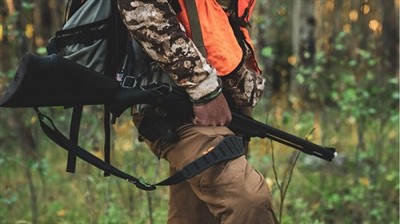
Every hunter's journey begins with the right equipment. Firearms or bows are the primary tools, and their selection depends on the type of game being pursued. For example, a shotgun might be suitable for bird hunting, while a rifle or bow is better for deer. Beyond weapons, hunters require appropriate ammunition, scopes, and maintenance tools.
Clothing is equally essential. High-quality, weather-appropriate camouflage not only helps hunters blend into their environment but also protects them from harsh conditions. Boots should be durable, waterproof, and comfortable, designed for the specific terrain.
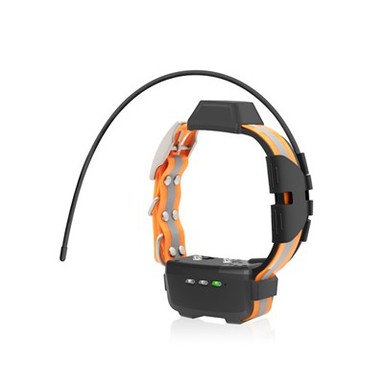
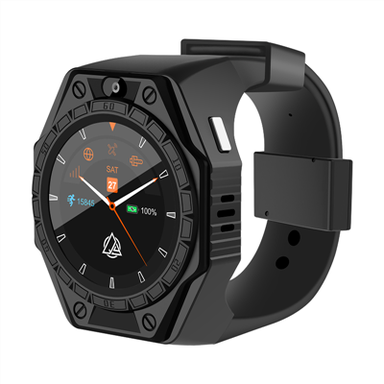
Accessories like backpacks, binoculars, and GPS devices or maps are invaluable for navigation and carrying essential supplies. For hunting dogs, tracking collars ensure their safety and enhance coordination during the hunt.
2. Safety Gear
Safety cannot be overstated in hunting. Bright orange vests and hats make hunters visible to others, reducing the risk of accidents. Hearing and eye protection are vital when using firearms. Additionally, a first-aid kit is indispensable for addressing any injuries that may occur in remote areas.
3. Knowledge And Training
Skillful hunters invest time in understanding their target species'behavior, habitats, and patterns. Scouting the hunting area beforehand is a key part of this preparation. Additionally, hunters should be familiar with local hunting laws and regulations to ensure ethical practices.
Training in marksmanship and weapon handling is essential for accuracy and safety. Many hunters also take courses in wilderness survival, which can be lifesaving in emergencies.
4. Physical And Mental Preparedness
Hunting often demands physical endurance, requiring hunters to trek through rugged terrain, carry heavy gear, and remain still for extended periods. Regular exercise, particularly activities that build strength and stamina, can improve performance.
Mental focus is equally important. Patience, quick decision-making, and a calm demeanor are traits of successful hunters. Time spent in nature also offers opportunities to connect with the environment, fostering mindfulness and stress relief.
5. Ethics And Conservation Awareness
Modern hunters increasingly prioritize ethical practices and conservation. This includes obtaining proper licenses, respecting seasonal restrictions, and ensuring clean kills to minimize animal suffering. By contributing to conservation programs and wildlife management initiatives, hunters play a critical role in maintaining ecological balance.
Conclusion
What hunters need most extends beyond tangible gear. It's a combination of the right equipment, safety measures, knowledge, physical and mental readiness, and a strong sense of ethics. By addressing these needs, hunters not only enhance their own experiences but also contribute to the broader hunting community and the natural world. Whether you're a novice or an experienced hunter, preparation and mindfulness remain your greatest assets.