Tips To Develop Safety And Trust With Your Hunting Dog
Jun 14, 2022
Hunting dogs are athletes required to perform in all kinds of weather and are exposed to environmental hazards rarely found in a backyard. Further, many hunting dogs have a drive so strong it overrides discomfort. Imagine your four-legged hunting buddy smells a hot scent and darts into heavy cover. After several minutes, you can no longer hear branches breaking, so you whistle for him to return. As time passes and he doesnt return, you grow increasingly frantic.
When you watch a hunting dog go about that which it was born and bred to do, it's not hard to imagine the canine is covering 10, 20, or even 30 times as much ground as its two-legged hunting partner. A huge part of the advantage of hunting with a dog is its ability and willingness to go places the human hunter can't, or at least doesn't want to, go.
The trust between hunter and dog, fostered by training and success, becomes an ironclad bond.So while the hunting dog – whether hound, retriever, or bird dog – pursues the game with no inhibitions, it places total faith in its human partner for judgment and safety.
It's the human hunter's huge responsibility to exercise planning, forethought, and discernment to provide for the dog's safety.
It is, indeed, a massive responsibility, and directly proportional to the abandon with which the dog pursues its game and the number of dogs you decide to bring into your life.
Thankfully, there are ways and products that can assist in keeping your dog(s) safe while hunting.
1. Keep a Hunting Dog Safe With Obedience Training
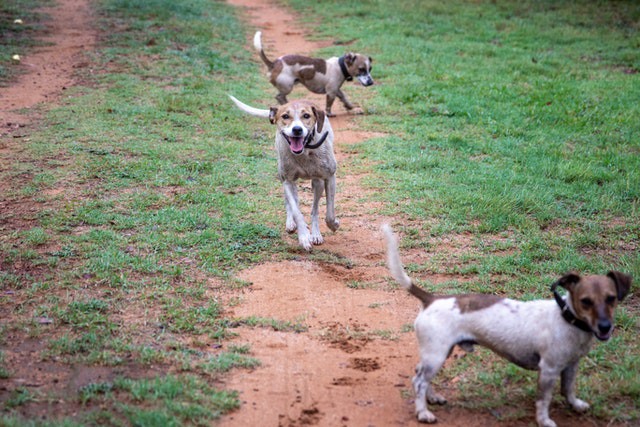
The most important “tool” for keeping a hunting dog safe is solid obedience training. Any dog that is out of control – in the field or at home – is a danger to itself and those around it. The more control you have over your dog, the greater your ability to keep it out of dangerous situations.
In a scent-soaked field, it's easy for a dog following its nose to get distracted. An e-collar is an excellent tool for training your dog to only follow the scent of your quarry. Modern e-collars can operate well beyond earshot of a whistle, making it easy to communicate with your dog from a distance.
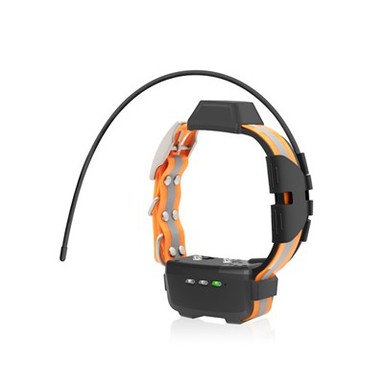
The better collars have multiple stimulation levels, as well as vibration mode. TR Dog Houndmate100/R50 Tracking and Training system gives you all these options.
2. Make Your Dog as “Loss-Proof” as Possible
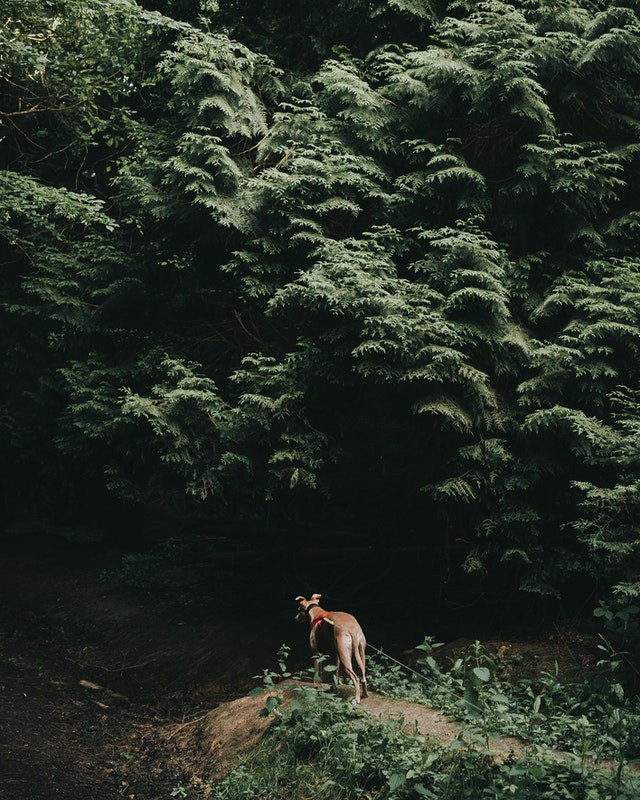
No matter how careful you are, no matter how hard you try to avoid them, there are going to be situations in the field, and even at home, when your partner is going to be out of sight. 99 percent of those situations will resolve just fine – the way in which you'd expect them. But for that one in one hundred , you'll end up kicking yourself for not doing everything you could have.
Hopefully, karma will only deal you a sleepless night or two rather than a rest-of-your-lifetime not knowing what happened.
Consider using GPS-equipped collars, especially if you're running multiple dogs, which can be tracked on a single hand-held unit. GPS collars are a bigger investment than basic e-collars, but they offer priceless peace of mind with wide-roaming hounds and upland bird dog breeds.
If you're separated from your dog, a high-visibility reflective with LED Flash lights dog collar is especially important. It gives you the best chance of spotting your dog and will help drivers to see it when the dog cross a road particularly after dark.
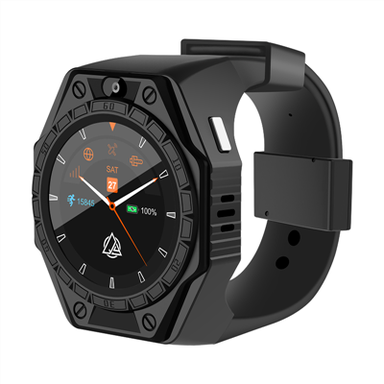
Today,there are also electronic dog collars that incorporate GPS tracking technology. As long as the battery has energy for the unit to provide a signal, the collar can allow you to pinpoint the position of your dog – even miles from your current location.
Check out the TR Dog Houndmate 100/R50 E-Color GPS Training and Tracking Dog Collar you can find all the needed features to well train your hunting dogs and keep them safe during the hunting period .
If you do lose track of your pooch, form a search party if possible with your buddies and their dogs, spreading out to cover plenty of ground. Start by searching into the wind, which would be your dog's most likely direction of travel; most dogs eventually double back after they lose the scent trail. Stop periodically and listen for sounds of your pooch on the move. If the initial search is unsuccessful, leave an article of your clothing and a water bowl at the dog's last known location, and check back periodically. Post signs about your lost dog and ask others to keep watch—you never know who’ll provide a fresh lead. And don’t lose hope, even after a few days.
Conclusion
When it comes to keeping your hunting dog safe, it he or she deserves the best; you deserve the best; and your partnership deserves the best. With the right techniques, training, and equipment you can enjoy many happy and healthy years in the field … together.