The Safe Way To Use Electronic Remote Training Collars (Shock Collars)
Jun 10, 2022
With Dogs an electronic collar is described as a collar that is used to modify behaviour through the
delivery of a stimulus, including but not limited to an electric shock, citronella spray, vibration, water
vapour, air pressure or tone, and includes electric training collars and electrical devices known as the
“invisible fence”.

There are three types of e-collars:
1. Pet containment systems (Invisible fence or boundary containment collars) :
The collar is activated when the dog approaches a set boundary. A wired or wireless system can be used.
2. Bark control collars (anti-barking collars):
The collar is activated in response to vibration in the
voice box when a dog barks
3. Training collars (remote-training collars) :
The collar is activated and controlled remotely by a handler.
The following discussion is focused on the third type of collar ;The Remote Training Collar:
The design and manufacture of e-collars has improved dramatically in the past several years,
resulting in equipment that has a greater range of electrical shock and distance, a vibrating
(or paging) mode and optional audible tone cues/warnings.
The broader range of stimulation settings enables handlers to find the “right” level of shock
for each dog—one that it will respect, yet one that is not painful or fear-inducing.
It is possible to utilize e-collars humanely, whereas past models were not reliable and could
result in excessive or unintended shocks to the dog. In the hands of a skilled handler and
with the appropriate dog, an e-collar can be an effective, humane training device for certain
types of behavioral issues.
Studies have shown that electronic collars can cause behavioural change in dogs relatively
quickly. The Electronic Collar users say that electronic training can be effective when used as part
of a balanced training regime,“by being sufficientlyunpleasant but causing no harm or lasting
effects”.
People and organisations who support the use of electronic collars say training can be of value:
To allow control of a dog at a distance for safety of other animals or the public. Relevant
uses include training dogs that chase livestock, training dogs to avoid reptiles or birds, and
training dogs for use in military or law enforcement service;
For confinement in an area where physical fencing is not practical. This can avoid welfare
risks associated with wandering, or alternative methods of confinement such as tethering;
Where other training techniques have not been successful, and rehoming or euthanasia of
the dog is being considered.
The conclusion based on the research and experience of others is :
Shock collars are for corrections, plain and simple. They should not be used to train
desirable behaviors (negative reinforcement).
Never use a shock collar if the behavior to be corrected is rooted in fear, anxiety or
aggression.
Never use a shock collar to correct a dog less than one year old. (CCPDT Code of Ethics)
Use the least aversive level of shock that the dog will respect and respond to (easier said
than done).
Be predictable in the use of the correction so the dog learns how to avoid the shock by
exhibiting the behavior you desire.
Make it clear for the dog what he is receiving the shock for—a direct connection to his
behavior is most effective. If using shock to punish incorrect responses to cues, be sure the
desired behavior is first trained reliably on cue through rewards-based training. Do not use the
shock collar to train a behavior to start with. Always begin with positive reinforcement of
desirable behaviors.
Work with a qualified trainer to first reliably train the desirable behaviors, and then establish
and institute a precise protocol for use of the shock collar.
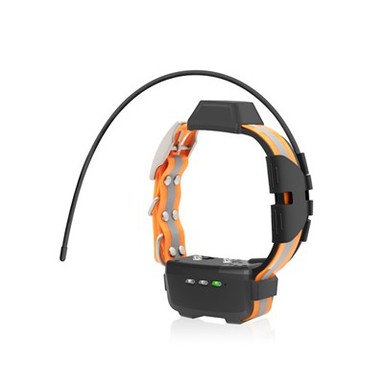
And the most important thing is to use a good quality Electronic Remote Training Collar ,
TR Dog Houndmate 100/R50 is designed to be one of the Best Harmless Dog Tracking and Training
Collars.