The Bond Between Hunters And Their Dogs: A Partnership Built On Trust
Jul 24, 2026
For centuries, hunters and their dogs have shared a partnership built on trust, loyalty, and teamwork. Long before modern hunting equipment existed, dogs played a vital role in helping people find food and survive in the wild. Today, while hunting has evolved with new technology, the relationship between a hunter and a hunting dog remains one of the strongest partnerships in the outdoors. It is a bond that goes far beyond training-it is based on mutual respect, communication, and countless hours spent together in the field.

A hunting dog is much more than a tool for locating game. It is a trusted companion that works side by side with its owner in challenging environments. Whether tracking wild boar through dense forests, pointing upland birds in open fields, or retrieving waterfowl from icy lakes, a hunting dog performs tasks that require intelligence, courage, and dedication. Hunters rely on their dogs to use their extraordinary senses of smell, hearing, and instinct to accomplish what humans cannot do alone.
Building this relationship takes time and patience. Successful hunting dogs are not born fully trained-they develop their skills through consistent guidance and positive experiences. Regular obedience training, scent work, recall practice, and field exercises help strengthen the dog's confidence while teaching it to respond reliably to commands. At the same time, hunters learn to recognize their dog's body language, behavior, and natural abilities. This two-way understanding creates seamless communication during a hunt, often requiring only a simple whistle, hand signal, or voice command.
Trust is especially important in difficult hunting situations. Hunting dogs often navigate rough terrain, thick vegetation, rivers, or steep hills while following game. Hunters must trust their dogs to make smart decisions when tracking an animal, while dogs depend on their handlers for direction, safety, and protection. Every successful hunt reinforces this trust, making the partnership stronger over time.
Outside of hunting season, the relationship continues to grow. Many hunting dogs live as beloved family pets, sharing daily life with their owners. Regular exercise, playtime, grooming, and healthcare all contribute to a dog's physical and mental well-being. Spending time together outside the hunting field helps maintain a close connection that carries over into hunting performance. A healthy, happy dog is more motivated, confident, and eager to work.
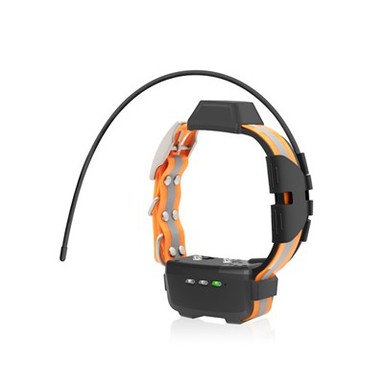
Modern technology has also enhanced the hunter-dog partnership without replacing it. GPS tracking collars, training systems, and activity monitoring devices allow hunters to track their dogs' locations, monitor performance, and improve safety during hunts. These tools provide valuable information while allowing hunters to focus on working with their dogs rather than worrying about losing contact in large or remote hunting areas.
Ultimately, the bond between hunters and their dogs is built on shared experiences, hard work, and unwavering loyalty. Every training session, every successful track, and every day spent outdoors strengthens a partnership that has existed for thousands of years. While hunting methods may continue to evolve, the unique connection between a hunter and a faithful hunting dog will always remain at the heart of the hunting tradition.