How To Train Your Dog To Hunt Wild Boars : 4 Level Tips For Everyone, Beginner To Advanced
Jun 18, 2022
Hunting with dogs is becoming a more accepted way to control the boar. Recent surveys state that 60% are culled by ‘still hunting’ (high seats, etc), 18% by driven or walking hunts with dogs, and a further 16% culled for crop protection.

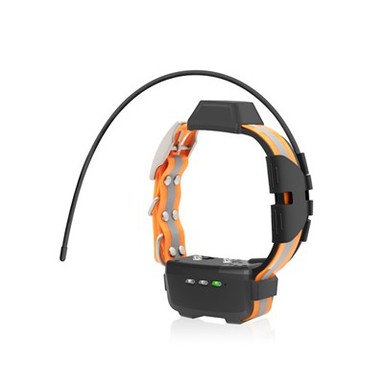
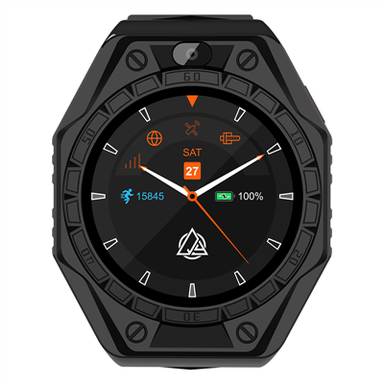
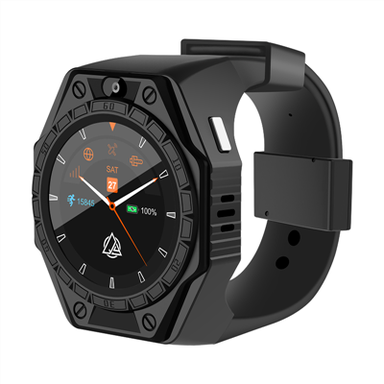
There are different types of dog used for hunting, depending upon the type of hunt. If you are walking, the dog is normally allowed to run free. When it finds a moose or boar it will follow it and, when the animal stops, it will stay close and bark loudly to draw the hunter in. Nowadays, the hunter will have a GPS Tracking and Training Device that will give him the exact location of the dog, indicating whether it is running or standing still , some of the Hunting Hound Tracking Systems like TR Dog Houndmate100/R50 Tracking and Training System have a Recording and making Calls options which allows the hunter to listen to the his dogs barking sound .If you are on a driven hunt, the shooter will be static, and the dogs will push or drive the game towards the Guns.
Your dog races off after wild boar tracks. The potential for boar retaliation is high and injuries caused can be sometimes fatal. Across countries where driven hunts are most popular, they unfortunately no longer count the number of hunting accidents that have taken the lives of their 4-legged companions.
Now let's talk about how the dogs are trained to track and hold boar, hopefully without getting injured. They normally need to be over 14 months old before facing such an aggressive beast.
Experienced trainers and hunters assess both the dog and its owner – don't forget, it is not just the dog that could be injured, and the owner has a responsibility to make sure the dog and themselves are not unnecessarily put into dangerous situations.
A trainee dog will start in the Level 1 pen with a tame pig, one that will happily stand still with little interest in a dog whatsoever – they wallow in the mud, and nothing will move them! The trainers will keep the dog on the lead and move it around the docile beast, enough for it to become familiar with the smell, noise and size of the boar.
Level 2 and the dog begins on a lead, but once he gains a little more confidence, he goes solo, gently chasing the boar. While these boar are not really aggressive, they will happily run for a short time and then hide up, allowing the dogs to communicate with the owner through barking. The dog is also trained to back off every 30 seconds, allowing the hunter the chance for a shot if the opportunity presents itself.
Level 3 is where life becomes much more interesting for both parties involved. These boar are seasoned campaigners. They take no prisoners. They are scrappers who do not back away from anything and see these trainees as fair game. By this time the dogs are furnished with a Kevlar jacket protecting their rump and flanks, not forgetting the Important GPS Tracking and Training Collar , giving the owner the chance to understand how to use it to its best. It is imperative that the dog returns immediately when called if, for instance, the handler thinks there is a massive tusker in the area and he feels his dog is not experienced or strong enough to handle it. A veteran dog will walk away from a boar if it thinks it is too aggressive.
Level 4, or the ‘angry enclosure’ as Lars calls it, is where the boar are introduced directly from the wild, allowing the hunter to take in his rifle to shoot a beast if he wants to experience the whole package.

In the end remember to enjoy the journey of how to train a hunting dog. Training hunting dogs is a continuous process, so plan for each training session or trip outdoors, and record your dog's progress. Your awareness of your dog's successes and failures will reflect your own abilities as a trainer, though you can consult a professional if necessary.
Make any necessary changes in your planning to reach the objectives you want your dog to achieve until both you and your canine companion can enjoy the hunt together.