Electronic Monitoring Bracelets Are Only Crime Deterrence Tools, They Can't 'Fix' Offenders (2)
Jul 09, 2022
Continued from the blog posted on July 5th.
Monitoring actions
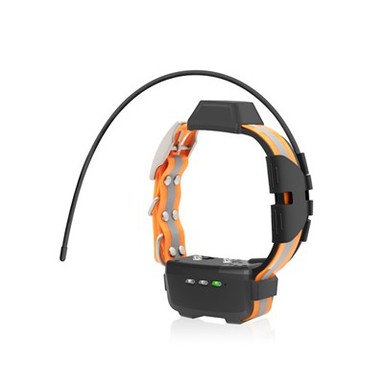
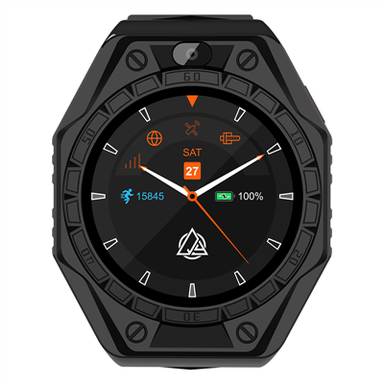
When an offender is subject to electronic monitoring, for example, he is wearing an electronic monitoring bracelet or electronic monitoring watch or electronic monitoring wristband, a computer database is updated with information about the rules he or she has been instructed to follow. Each jurisdiction and each agency may have their own database, so where the offender appears in the database will depend on who is supervising the electronic monitoring order.
The database is then monitored by enforcement authorities, although this is sometimes outsourced to private providers or overseas companies. While the data is generally sent from the offender's GPS device to the monitoring agency in real time, there can be delays in how long it takes for that information to be passed to police or corrective services.
What occurs when an offender breaches one of the rules and a computer alert is generated depends on factors such as legislation and the priority of a case influencing the response. The database includes information about what to do in the event of specific kinds of breaches with specific offenders.
In some cases, an alarm on the device may go off or, very rarely, the police may be immediately notified.
Most often, for routine cases and ordinary breaches, the monitoring agency will notify the offender's supervisor (such as a parole officer or a local police department), who will then determine how to proceed.
There may be a lag of several days during this process. For example, if a low-risk offender misses their home curfew on Friday night (as determined by the electronic monitoring bracelet), the parole officer will not receive notification of this breach until Monday morning.