BENEFITS OF USING GPS TRACKER FOR HUNTING DOGS
May 25, 2022
BENEFITS OF USING A GPS TRACKER FOR HUNTING DOGS
Losing your dog is the owner's worst nightmare.
Find it hard to see your dog while out on a hunt due to the rolling terrain, cover, and distance?
These concerns have prompted the development of tracking systems for dogs. GPS dog trackers were initially developed for hunting dogs, who are sent out into the wilderness to hunt at a distance from their owner and occasionally just disappeared, either because they got lost, got injured, or got trapped somewhere.
Dog tracking systems have become a life-saving way for hunters to retrieve their beloved, valuable dogs.Tracking collars are used by all types of folks: regardless if you are a upland bird hunters, houndsmen, beaglers, coon hunters, field trailers, and for coon hunting, bear hunting, lion hunting, or pig/hog hunting, you will find these devices extremely useful.
Benefits of Hunting Dog Tracking Systems
When you can't see your dogs due to terrain, cover or distance,Hunting dog GPS tracking system provide an effective means of keeping "track" of multiple dogs.
GPS Dog Tracking collars are useful where you can't use beeper collars or dog bells.
GPS Dog tracking collars allows you to quickly locate your gundog’s position while out on a hunt.
Some GPS dog tracking systems also let you know what your dog is doing by using certain behavior systems that are part of the collar. You can tell whether your dog is moving, standstill or even hear and record his barking .
GPS Dog Tracking Systems are also effective in locating dogs that are lost.
Some trackers also have a built-in e-collar, which is especially useful if you need to train and communicate with your dog over long distances.
Another great thing about GPS tracking collars is that they are silent. They won’t make any beeping sounds, and as a result, won’t scare the birds.
Hunting Dog Tracking Systems that Use GPS and GLONASS, What Does that Mean?
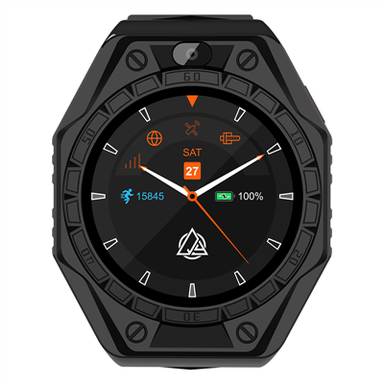
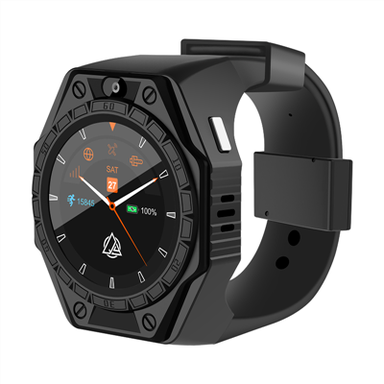
GPS tracking collars send a radio signal to your Handheld GPS unit with the exact location of your dog. The Handheld GPS unit plots that information on your MAP SCREEN so you can see your location, your dog's location, direction, and whether or not your dog is moving.
GPS is a satellite-based navigation system owned by the US, while GLONASS is the Russian satellite navigation system. There are also other tracking satellites available like the GALILEO (European Union), BeiDou (China), and IRNSS (India). But all the hunting dog tracking systems on the market today only support GPS and GLONASS.
So what does that mean, and what’s in it for you? Hunting dog tracking systems that use GPS and GLONASS can pick up more signals and have better accuracy. In other words, dog collar trackers that support multiple satellite systems will give you a quicker and more precise location of your gundog than GPS alone.
What Important Features do you need to Consider before buying a Hunting Dog GPS Tracking system?
Before buying a GPS tracking system, it is important to spend some time thinking about what factors are important for your gundog and your hunting style.
Important considerations are:
Tracking Technology:
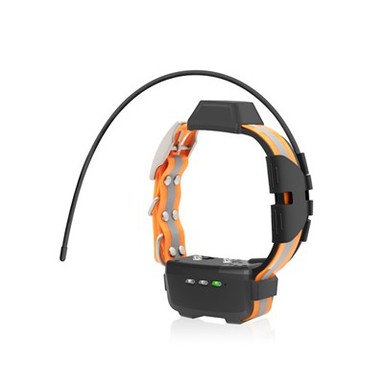
First, you need to check the tracking technology that the collar uses. It’s a better idea to pick the ones that utilize GPS than those that rely on telemetry. That way, you will be able to know where exactly your dog is in the field. And as mentioned earlier, the more satellite systems the tracking collar can support, the better, like the TR Dog Hountmate100/R50 Dog Tracking system.
Cell phone or receiver based:
While smartphone-based systems are handy, they only work well if the area your dog is lost in has reliable cell service. If you go hiking or hunting with your dog, odds are your dog will get lost in an area without good cell service, in which case it would be convenient to use a system with a handheld receiver that can track your dog without the need for reliable cell phone service.
TR Dog Hountmate100/R50 Dog Tracking collar supports both Cell phone and receiver based systems.
Range:
If you opt for a system with a handheld receiver, check the range. A fast dog can get miles away from you in minutes, so a system with only a one-mile range isn't going to work too well unless you know which direction the dog was headed and you are a fast sprinter. Most high-end dog tracking systems have a range of up to 9 miles, and it would be better to choose those with a farther range. The reason is that it will be drastically affected when hunting in wooded areas with rolling terrain.
TR Dog Hountmate100/R50 Dog Tracking collar’s range is up to 10 miles.
Waterproof:
Anything and everything you put on your dog needs to be 100% waterproof. especially if you are a waterfowl hunter. Being "water-resistant" means it will short out when it rains, your dog dives into the pond, or your dog decides to go wrestle with another dog in a mud puddle. The "water-resistant" unit may be cheaper upfront, but you'll probably be replacing it often, and it will eventually cost more than just buying a waterproof system in the first place.
TR Dog Hountmate100/R50 Dog Tracking collar is waterproof.
Battery Life:The battery life is another thing you need to consider when buying a hunting dog tracking system. You would want to make sure the GPS tracking collar can get through the hunt session without a charge. Luckily, most devices these days can run up to 20 to 24 hours. TR Dog Hountmate100/R50 Dog Tracking collar runs up to 40 hours.