Why Wild Boars Are So Hard To Hunt: The Survival Skills That Keep Them One Step Ahead
Sep 04, 2026
Wild boars are among the most challenging game animals to hunt. They are intelligent, adaptable, strong, and remarkably alert to danger. Whether they live in dense forests, open farmland, or rugged mountains, wild boars have developed impressive survival instincts that make them difficult to locate, track, and approach.
Exceptional Senses
One of the biggest advantages wild boars have is their powerful sense of smell. They can detect unfamiliar human scents from considerable distances, especially when the wind carries odors toward them. Their hearing is also highly developed, allowing them to notice footsteps, voices, branches breaking, or other unusual sounds. Although their eyesight is not as strong as their sense of smell and hearing, they are extremely sensitive to movement.
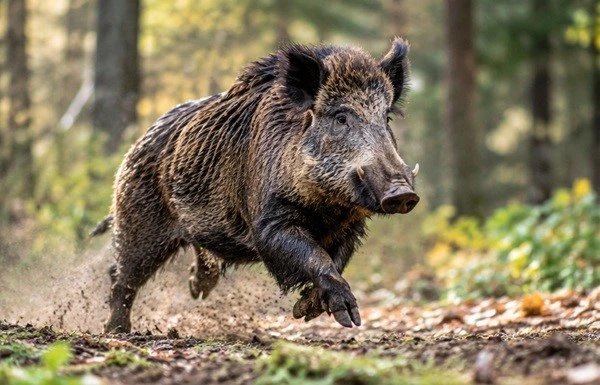
Because of these senses, hunters must pay close attention to wind direction, noise, and movement. A small mistake can cause a boar to disappear before it is ever seen.
Highly Adaptable Behavior
Wild boars can live in a wide variety of environments. They often change their feeding and movement patterns according to weather, food availability, hunting pressure, and human activity. A place that seems productive one day may be empty the next.
They are also primarily active during cooler parts of the day and may become more nocturnal when they feel threatened. This ability to adjust their behavior makes them difficult to predict.
Excellent Survival Instincts
Wild boars are cautious animals, particularly in areas where they have experienced hunting pressure. Older boars can become especially difficult to approach because they learn to recognize dangerous patterns and avoid locations where they sense unusual activity.
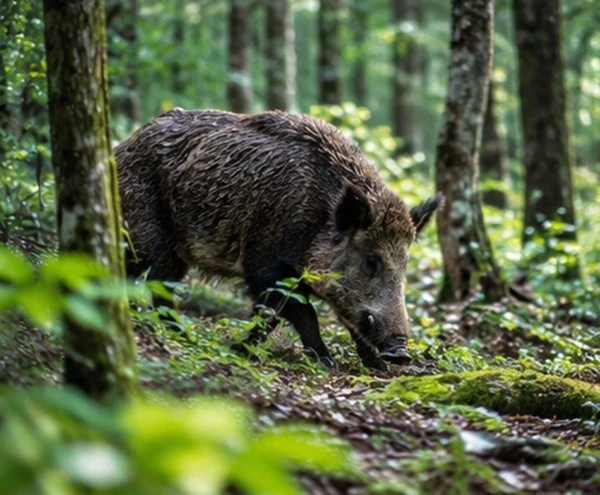
They may also travel through thick vegetation, muddy areas, and natural cover where visibility is limited. This gives them an advantage when escaping from potential threats.
Speed and Physical Strength
Despite their heavy appearance, wild boars can move surprisingly quickly over short distances. They are capable of navigating rough terrain, dense vegetation, and steep slopes with impressive agility. When startled, they can quickly disappear into cover.
Their physical strength also makes them formidable animals. This is one reason hunters must always respect their power and maintain appropriate safety practices in the field.
Challenging Terrain
Wild boars frequently use thick forests, swamps, hills, and other areas that provide plenty of cover. Tracking them in these environments can be difficult because footprints, feeding signs, and trails may be scattered across large areas.
For hunters, success often depends on patience, observation, knowledge of the terrain, and understanding how boars respond to changing conditions.
The Ultimate Test of Patience
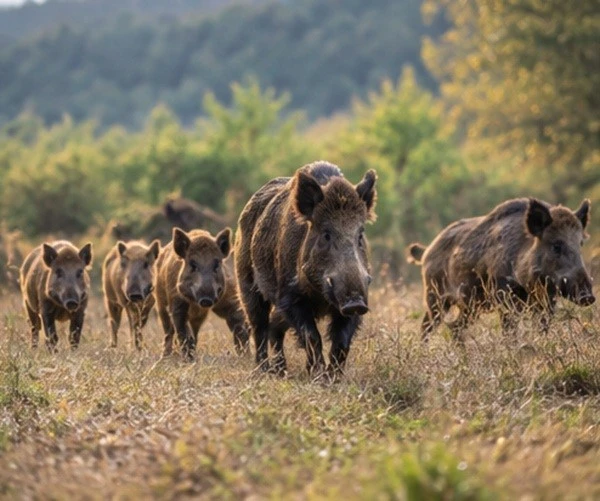
Perhaps the greatest challenge of hunting wild boars is their unpredictability. Their intelligence, strong senses, adaptability, and ability to disappear into difficult terrain make every encounter different.
For these reasons, wild boar hunting is not simply a test of accuracy. It is a test of preparation, patience, tracking ability, and knowledge of animal behavior. Understanding how wild boars think and move can make the experience more rewarding while encouraging responsible and ethical hunting practices.