How To Prepare Your Dog For A Long Hunting Trip: 8 Essential Tips For A Safe And Successful Adventure
Nov 25, 2026
A long hunting trip can be an exciting adventure for both hunters and their dogs. Whether you are hunting in dense forests, open fields, or remote mountain areas, proper preparation is essential. Hunting dogs need to be physically fit, mentally prepared, and properly equipped to handle long hours outdoors.
A well-prepared dog is not only more effective in the field but also safer and healthier throughout the journey. Here are eight important tips to help prepare your hunting dog for a long trip.
1. Build Your Dog's Physical Fitness
Long hunting trips require endurance, strength, and stamina. Start preparing your dog several weeks before departure. Gradually increase daily walks, hiking sessions, and outdoor exercise.
Swimming and running can also help improve cardiovascular fitness and muscle strength. However, avoid overtraining. Give your dog enough rest between activities to prevent injuries and exhaustion.
2. Schedule a Veterinary Checkup
Before traveling, arrange a veterinary examination to make sure your dog is healthy enough for extended outdoor activity.
Check that vaccinations are up to date and discuss parasite prevention, including ticks, fleas, and heartworms where relevant. Bring any necessary medications and keep your dog's veterinary records accessible.
Pay special attention to your dog's paws, joints, teeth, and overall physical condition.
3. Pack the Right Equipment
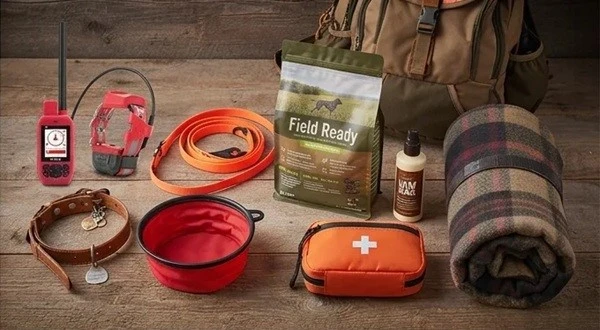
Having the right equipment can make a significant difference during a long hunting trip. Your dog's packing list should include:
A properly fitted collar or GPS tracking collar
A reliable leash and identification tag
Portable food and water bowls
Enough dog food for the entire trip
A first-aid kit
Paw protection and cleaning supplies
A comfortable resting mat or blanket
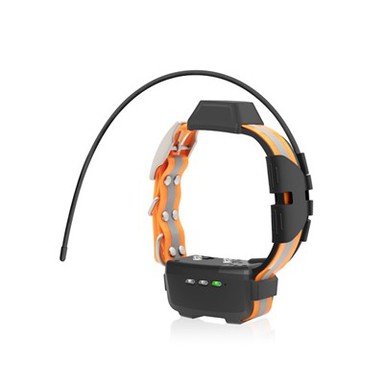
For hunting in remote areas, a reliable GPS dog tracking system is particularly valuable. It allows hunters to monitor their dogs' locations and movements, even when they are working far away.
4. Prepare Your Dog for Different Environments
Hunting locations can vary significantly in terrain and weather conditions. Your dog may encounter thick vegetation, muddy trails, rocky slopes, rivers, and extreme temperatures.
Before the trip, introduce your dog to different outdoor environments. Practice walking on uneven ground and navigating natural obstacles.
Gradual exposure helps dogs become more confident and comfortable when exploring unfamiliar hunting areas.
5. Train Essential Commands
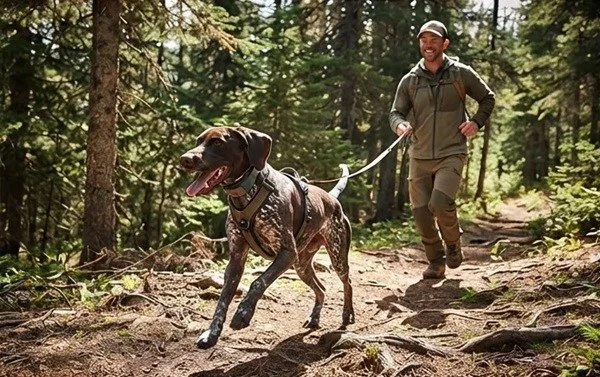
Good obedience is especially important during long hunting trips. Your dog should reliably respond to basic commands such as recall, stop, stay, and come.
Practice these commands in different environments with distractions. A dog that responds consistently is easier to manage and safer when working at a distance.
You should also establish clear communication signals between yourself and your dog before entering the field.
6. Plan Food, Water, and Rest Breaks
Dogs burn considerable energy during long hunting sessions. Pack enough familiar food to maintain their normal feeding routine.
Always provide access to clean drinking water, especially during warm weather. Never assume that streams or ponds are safe drinking sources.
Schedule regular breaks so your dog can rest, cool down, and recover. Watch for excessive panting, weakness, limping, or unusual behavior, which may indicate exhaustion or heat-related illness.
7. Use GPS Tracking for Better Safety
Keeping track of your dog can be challenging when hunting in dense forests or unfamiliar territory. Dogs may travel considerable distances while following scents or pursuing game.
A professional GPS tracking system helps hunters monitor their dogs in real time and locate them more efficiently.
Modern hunting dog tracking devices may combine GPS, radio communication, offline maps, and location-sharing features. These technologies are especially useful in remote areas where mobile network coverage is limited.
Before departure, fully charge your tracking equipment, check its functionality, and make sure you understand how to use all its features.
8. Allow Time for Recovery After the Trip
Preparation does not end when the hunting trip is over. After returning home, inspect your dog's body carefully for cuts, ticks, paw injuries, and signs of soreness.
Provide fresh water, nutritious meals, and a comfortable resting area. Allow several days of recovery if your dog has completed particularly demanding activities.
If you notice persistent limping, unusual tiredness, or changes in appetite, consult a veterinarian.
Final Thoughts
Preparing your dog for a long hunting trip requires more than simply packing equipment and heading outdoors. Physical conditioning, veterinary care, obedience training, proper nutrition, and reliable tracking technology all contribute to a safer experience.
Most importantly, always put your dog's health and safety first. A healthy, well-trained, and properly equipped hunting dog is a valuable partner in the field and an important part of every successful hunting adventure.