What Is Electronic Monitoring (1)
Aug 02, 2022
Electronic Monitoring
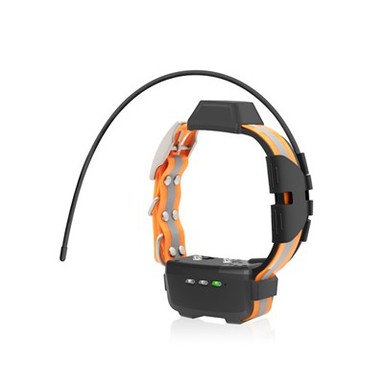
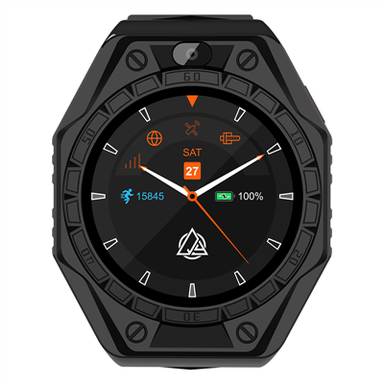
Electronic monitoring is a form of digital incarceration, often in the form of a wrist bracelet or ankle “shackle” that can monitor a subject’s location, and sometimes also their blood alcohol level or breath.
Monitors are commonly used as a condition of pretrial release, or post-conviction supervision, like probation or parole. They are sometimes used as a mechanism for reducing jail and prison populations. Electronic monitoring has also been used to track juveniles, immigrants awaiting legal proceedings, adults in drug rehabilitation programs, and individuals accused or convicted of DUIs or domestic violence.
Typically, people on monitors must charge their devices daily and can’t leave their homes without permission, and/or have areas of the city, called exclusion zones, where they’re not allowed to visit without triggering an alarm. Some counties require as much as a full week’s notice for a schedule change, even in the event of an emergency. Some counties impose installation fees and daily fees for the devices and require users to own a landline phone. If the device disconnects, the monitored person may be incarcerated.
Electronic monitoring has seen a 140 percent increase in just over a decade. About 125,000 devices are in use, with up to 30,000 of them attached to immigrants on any given day. States with the most prolific use of electronic monitoring include Florida, Texas, California, Massachusetts, and Michigan.
Not only does electronic monitoring impose excessive surveillance on people coming home from prison, but it also hinders their ability to successfully transition back into the community. Additionally, there is no concrete evidence that electronic monitoring reduces crime rates or recidivism.