Different Hunting Dogs And What Makes Them A Top Dog
Aug 01, 2022
Different Hunting Dogs and What Makes Them a Top Dog
Hunting dogs, it seems, like nothing better than tracking down game such as a pheasant, retrieving it with a soft mouth and obediently laying it at the feet of their owners. But hunting and fetching are two different activities!
Other dogs love to fetch — almost as much as they adore the ensuing game of keep-away as they orbit around their owners, refusing to give up the tennis ball.
Are there certain breeds that are better than others at hunting? And how does a great hunting dog become one?
Whether you're looking for bird dogs, rabbit dogs or a flexible companion for any hunt, one of these specialized breeds is sure to please. Each of the hunting dogs on our list has qualities that make it an ideal companion for hunting. Since most hunting dogs are easily trained and have other great qualities, they also make excellent companions and family pets. Choose your breed based on size, ability and what you enjoy hunting most often for best results.

TYPES OF HUNTING DOGS
Golden Retriever
They're smart, love water and have a natural instinct to retrieve things, so it's no surprise that Golden Retrievers are one of the most popular hunting breeds around. Goldens are known for their “soft” mouth and the ability to pick up and retrieve items without damaging them, making them an ideal companion for duck hunters. The breed is also a beloved family pet and wonderful companion, making it an easy choice for hunters who want a dog that is both functional and kid friendly.
Labrador Retriever
Like their long haired cousins, Labrador Retrievers have a built-in instinct to bring items to their owners. Combine this natural ability with high intelligence and a desire to please and you have a near-perfect hunting companion. Duck and fowl hunters love labs for their innate abilities, friendly natures and short, easy care coats. These friendly pups also make great companions.
American Foxhound
Perfect for both formal fox hunts and informal deer hunting sessions, this wiry and flexible dog is willing to run prey to the ground. Their swift and quiet tread and agility make them ideal forest companions and this particular breed is happy to share the work with a pack. Foxhounds hunt by scent and can help track prey over many miles and a variety of terrain. Their medium-size stature and adaptability makes them ideal house pets as well. Like many scent and sight hounds, Foxhounds adapt well to living with kids and other dogs, but may require extra training to be around small, prey like pets.
Bloodhound
Dogs are known for their keen sense of smell – and the Bloodhound stands out from the pack. Able to detect miniscule amounts of scent and follow a trail for miles, this gentle giant is an ideal hunting companion. Originally bred for hunting deer and wild boar, the Bloodhound's amazing ability to detect and follow a scent trail makes this hardy breed an ideal companion for any hunter seeking large game.
Black and Tan Coonhound
His hardy disposition and short coat mean that the Coonhound adapts easily to the demands of the hunt and withstands both heat and cold. This breed is known for bravely tracking and treeing raccoons – prey that can sometimes turn on and injure a tracking dog. The Coonhound is known for his willingness to trek across uneven terrain and his ability to track wily and occasionally dangerous prey over long distances. When he is not working, this friendly scent hound has a gentle and playful nature and his short coat and medium size make him easy to care for and love.
Beagle
Their diminutive size, easy-care coat and friendly, agreeable nature make Beagles not only great hunting companions, but popular family pets as well. Don't be fooled by his small size, most experts consider Beagles to be second only to Bloodhounds when it comes to tracking scents. Used for rabbit and other small game, these speedy canines are a top choice for those hunting small, earthbound creatures.
English Springer Spaniel
He may look like a fancy house pet, but the English Springer Spaniel has a long history of hunting fowl and is known for his pheasant and quail hunting abilities. This high-energy, low-profile dog is an asset in the field and particularly adept at flushing pheasants and other wily game. His agility and smaller stature make it easy for him to pass under and around obstacles that could stymie a larger dog. If you're searching for pheasants and other fancy fowl, have an English Springer Spaniel by your side.
English Pointer
Like all pointing breeds the English Pointer was developed to spot and pursue feathered prey. This short-haired hunter has a super high prey drive and will work hard to track down birds across a variety of terrain. Often referred to as a “bird hunting machine,” this high-energy pet makes a wonderful companion for hunting fowl of all types, and is a good pet for experienced dog owners as well.
German Wirehaired Pointer
All pointers are designed for hunting, but the German Wirehaired Pointer is known for his ability to relentlessly track pheasant and other birds across even unfriendly terrain. If you down a bird, your German Wirehaired Pointer will go through just about anything to bring that bird to you. Known for being tough and protective without being aggressive, this flexible hunting companion will help you track down just about any game or fowl you care to hunt.
Chesapeake Bay Retriever
Like Labs and Goldens the Chesapeake Bay Retriever is a master at gathering up and bringing you your game. These specialty dogs have been bred to withstand the chilly waters of the mid-Atlantic, with a thick and water resistant coat and even some webbing between the toes for better swimming. These dogs are big, robust companions and able to retrieve your fowl – and then protect your boat while you take a break. They also make ideal pets for active families.
QUALITIES OF A GOOD HUNTER
Most of all, you'll need a dog that's physically capable of keeping up with fast-moving game and has the stamina to track for hours at a time. That means bulldogs are probably not your best bet. Some breeds are just born with physical attributes that help them be good hunters. Labrador retrievers, for example, have webbed paws and a thick tail that acts as a rudder when retrieving fowl in the water.
If you're a serious hunter and plan to spend a lot of time in the field, it's worth it to find a reputable breeder who is devoted to raising hunting dogs. These people will typically breed for pups without orthopedic problems such as hip dysplasia that could shorten their hunting lives.
You'll want a dog with a good temperament that can work at your side in the fields but be a good family dog as well. Of course, obedience goes without saying. Positive-reinforcement training should start at eight weeks so your pup learns basic commands such as sit, stay, come, fetch, heel and drop it before he or she advances to scent tracking and soft mouth skills.
Some dogs have a fear of loud noises such as fireworks, thunder and, unfortunately, gunfire. Part of training your dog might include trips to a target-shooting facility to make sure the sound won’t upset your pup.
GEARING UP YOUR DOG
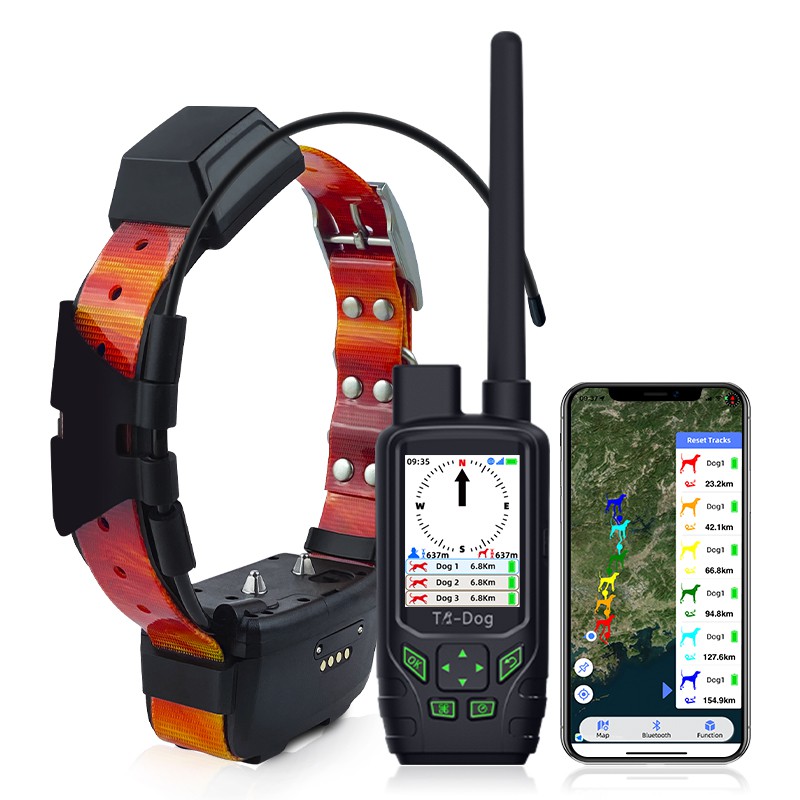
The best way to prepare your dog for a day in the fields is to keep exercising and training all year long. That way, he or she will be in peak condition when you hit the ground. Use GPS Tracking and Training E-collars to train your hunting dogs . A device like TR Dog Houndmate100 gives you a lot of training functions and help you to well train your dogs and keep track on them.
Before heading into the field, your dog may benefit from a grooming session to remove longer fur (including on the tail) that can collect burrs or get tangled in the underbrush. Trim nails so they don't snag on roots or rocks.
A comfortable hunting vest that protects the chest and belly can help prevent branches and thorns from scratching your dog's skin raw. If it's waterproof, all the better for diving into lakes and streams in search of game.
The GPS Tracking E collar is very important for you and the dogs , you don't want to risk losing your dogs in the forest .
Don't forget to bring fresh drinking water and extra dog food to help sustain your dog's energy during the day.
Even if you don't bag the limit, just being in the outdoors with your best friend makes for a great day.