Training Your Hunting Dogs Using GPS Tracking And Training Collars
Jun 06, 2022
Training hunting dogs with GPS Tracking and Training Collars is a great way to prepare your dog for hunting season
It's hard to believe that few years ago Hunters could simply throw on a bell and go out hunting. Admittedly, there were plenty of frustrating days when the dogs were having a really good time . It was just part of the gig back then. They talked to their dogs a lot, constantly commanding to keep them close and if possible, correcting what they could see and more often what they could hear. They were trained to follow the bell and never let it out of hearing range. When a dog went on point they would break into search parties to locate it. If they couldn't find it, a shot would be fired into the air in hopes they would hear a ding of the bell.
With the development of today's hunting technology, we now have the luxury of knowing more about our hunting dogs than ever before. We can hunt comfortably, saying very little to our dogs while enjoying all the sights and sounds our covers have to offer. We know where our dogs are, where they've been, how fast they are moving, when they are pointing, or when they are not. We are even able to extend our physical influence out for miles.
Though GPS Tracking and Training collars are amazing.
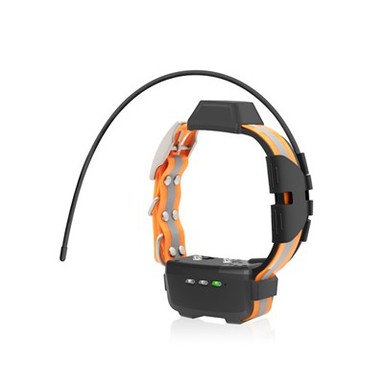
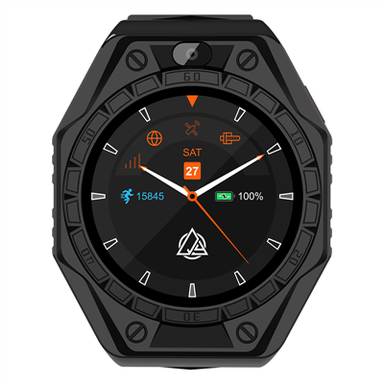
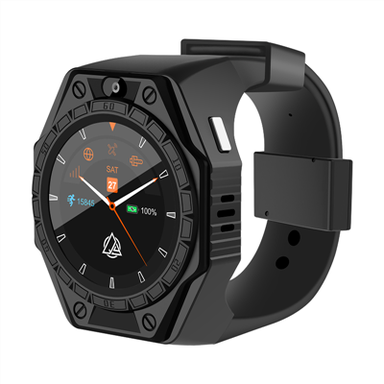
Training a dog on your own can be challenging. Luckily, there's plenty of hunting dog training equipment on the market to help you out. The trouble is, not all dog training supplies are equal. Your job will be much easier if you do some research and invest in high-quality gear that's vetted by the pros.TR Dog Houndmate 100/R50 is one of the best hunting dog Tracking and Training Devices on the market.

GPS Tracking and Training collars are not teaching devices
Today's GPS Tracking and Training collars are excellent tools for training hunting dogs in the off-season and keeping them in control during hunting season.
GPS Tracking and Training collars for hunting dogs are only a tool. They are as good as the trainer who is using them. With that in mind, it's important to remember that a GPS Tracking and Training collars is most beneficial when it is used to reinforce commands your dog already knows. They are not meant to teach a dog a command it has never heard before.
Knowing how to properly use one takes patience, thoughtful practice, and a fair amount of guidance. There is an art to using this technology to supplement your dog's training. As the technology improved over time, GPS Tracking and Training collars have become a fantastic supplemental tool in our training repertoire with their many supportive features. The functionality of GPS Tracking and Training collars today makes them incredibly versatile, with stimulation levels even less averse than leashes, whistles, or verbal commands.
Though counter-intuitive, GPS Tracking and Training collars should not be used as a teaching device, but rather as an extension of your training by reinforcing prior knowledge. Handlers, like their dogs, often become collar-dependent to the point that they are unable to train or hunt without one. Somewhere down the line they lost that personal connection with their dog where the dog wanted to please its owner. Instead, the dog works to avoid pressure. Once that pressure abates, the corrected behaviors return.
Something to always remember is that a dog that wants to work is far more reliable than a dog that has to. We try to follow the 4:1 reward rule when we train. If I'm not rewarding my dog four times before needing to make a correction, I'll back up and fix holes in his learning. It's important to understand that the GPS Tracking and Training collar can be unforgiving in the wrong hands. Make no mistake: improper use can be a career-ending experience for your hunting buddy. Alternatively, using the tool correctly provides accountability and reliability, and deepens the understanding of your training.

How do I collar condition my dog?
There is an infinite number of ways to collar condition your dog. One of the common practices is to first teach your dog that the collar means to go away before using it to reel it in. You want to be able to push your dog out with a collar if necessary. Too often we use it exclusively for come and the dog learns to escape the pressure by returning to its handler. The stronger the understanding of these commands the smoother the collar conditioning will go.
Collar conditioning is encouraging the dog to avoid pressure. You are teaching them to go, to come, and to stop. It teaches them how to relieve the pressure of the collar. You start by stimulating on command and physically guiding them towards the objective. Once they understand what you're asking, you will then stimulate after the command as a correction for disobedience.
Even then, the GPS Tracking and Training collars for training hunting dogs are never to be used as a punishment tool, it's a reminder. This comfortable process works best for both us and our dog when we use an easy-to-operate GPS Tracking and Training collar that lets us start with very low stimulation levels.
The GPS Tracking and Training collar is simply an extension of the long lead. It's a tool that shouldn't be used as a crutch and doesn't replace hands-on training. It's simply a way to help better connect you with your dog when they are out of reach. If you find that TR Dog Houndmate 100/R50 the right GPS Tracking and Training system , go ahead and practice coordinating your collar skills before putting it on your dog. You need to know what you're doing. Getting that timing right with the appropriate stimulation while erring on the side of caution is key. If possible find a trainer in your area to help assist you through the process. Good luck.