Tips To Choose A Hunting Dog
Sep 09, 2022
Choose a hunting dog
How can you be sure to make the right choice when adopting or acquiring a dog for hunting? Should we rather opt for a male or a female? Does a puppy have more advantages than an adult dog? What abilities should he display? Here are the questions that we ask ourselves most often when we plan to move towards a hunting dog.
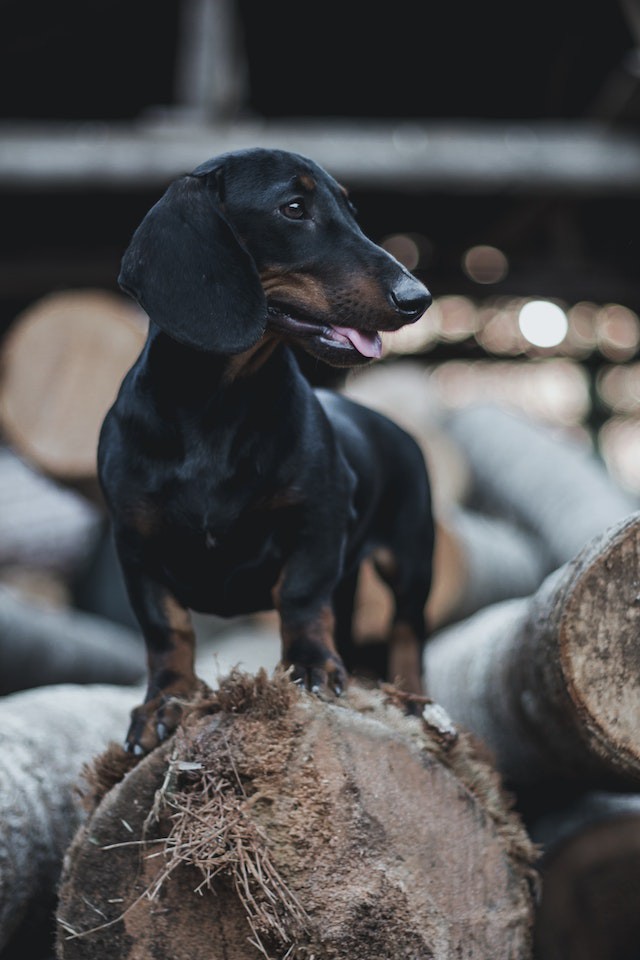
If you opt for the adoption of a hunting dog, the animal must have certain qualities to correctly fulfill its rolewith respect to the game and take pleasure in doing so. Stopping, retrieving (the ability to find, pursue and retrieve game), the ability to navigate difficult terrain and flair are part of the arsenal of a good hunting dog. These are skills to detect and develop from an early age of the dog, but they are not the only criteria for choice. The daily behavior of the animal, its ancestry and its age are also among the crucial points to take into account before settling.
Learn about their ancestry
The first thing to do is to learn as fully as possible about the origins of the dog.
Try to get as much information as possible about his parents, check their documents and ask about their hunting behavior. Ask the breeder if they are persistent, if they have a fine nose, if they perform the retrieve correctly and if they do not hesitate to cross obstacles to pursue game.
Study its behavior outdoors

The dog's ancestry determines part of the dog's hunting skills, but it is not everything. Even a dog that does not come from a pure line can display qualities that are highly sought after in hunting action, such as the ability to evolve on wet and uneven ground, the retrieval, the stop or even a fine nose.
You must therefore observe his behavior outdoors: if he tends to snoop, sniff and be curious, you may have the right hunting dog. Also attempt the shotgun test, ideally before the age of one year. Do not judge the dog on the first attempts if they are unsuccessful. He may need more tests to become familiar with it and not be afraid anymore.
Look on the side of breeders or individuals?
If you lack experience, it might be best to go to a breeder. It would first be necessary to ensure the quality and professionalism of the latter. Discussion forums can help you find some good pointers in this direction. Or better yet, if you have hunting enthusiasts in your entourage, do not hesitate to ask them their opinion on the breeders they know.
If you are sure of being able to choose your puppy correctly and ensure its learning, you can turn to an individual who has a litter. Here again, consider asking as many questions as possible relating to the ancestry and the behavior of the parents when hunting.
Puppy or adult?

The puppy has a few advantages, just like the adult. It is obvious that a dog who has been with you from an early age will allow you to build a stronger relationship. You provide education and training, so you know the animal by heart (also by the way) and are thus sure of the quality of its learning.
Bonds can be just as strong with an adult dog, especially if he has received quality education and socialization from his former master. One can quickly test the hunting skills and character of an adult dog. It is also possible to detect hereditary defects such as hip dysplasia, which do not manifest themselves at a young age.
Male or female ?
In hunting, males are often preferred to females. Not that the latter are less gifted (this is not the case), but rather because of their periods of relative unavailability and behavioral disturbances. These are linked to heat, which occurs twice a year for 3 weeks, as well as nervous lactation (2 or 3 weeks). Altogether, that's 8-9 weeks which is likely to fall, in part, during the hunting season.