Latest Hunting Dog Tracker Review: Which Features Matter Most?
Apr 16, 2026
With the rise of hunting activities and outdoor dog handling, hunting dog trackers have become essential gear for many hunters. From early basic locators to today's smart devices integrating communication, training, and health monitoring, these tools have evolved significantly. But among all the features available, which ones are truly practical?
1. Positioning Accuracy: The Core Feature
The most fundamental and critical function of a hunting dog tracker is positioning. High-end devices typically use multi-system positioning such as GPS, GLONASS, and BeiDou, ensuring greater accuracy and stability. Some professional devices can update location every 2–3 seconds, allowing real-time tracking of your dog's movements.
In complex terrains like forests and mountains, positioning accuracy directly determines how quickly you can locate your dog. This should be the top priority when choosing a tracker.
2. Communication Method: Radio vs. 4G Network
Most trackers fall into two categories:
Radio-based communication: Does not rely on cellular signal, ideal for remote areas, and highly stable
4G/mobile network: Offers wide coverage and convenience but depends on signal availability
While radio-based devices are usually more expensive, they are more reliable in areas without network coverage, making them the preferred choice for professional hunters.
3. Battery Life: A Key to Usability
Battery life is crucial during long hunting sessions. Some high-end models offer dozens of hours-or even up to 100 hours-of operation on a single charge.
No matter how advanced the features are, poor battery performance can severely impact usability. Choosing a device with a large battery capacity or low-power modes is highly recommended.
4. Geofencing and Alerts
Geofencing is an increasingly valuable feature. When a dog moves خارج a predefined area, the device sends an immediate alert, helping prevent loss.
Additional alert functions may include:
Boundary crossing notifications
Inactivity alerts (possible injury
Temperature warnings (extreme conditions)
These features add an extra layer of safety and control.
5. Multi-Dog Tracking and Handheld Devices
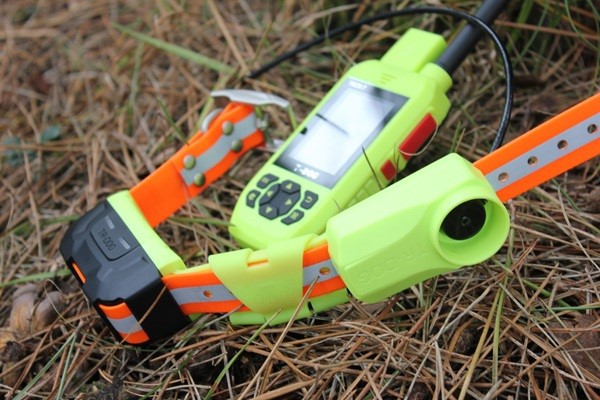
For professional hunters, managing multiple dogs simultaneously is common. Some systems support tracking up to 20 dogs at once and allow centralized management via a handheld device.
This significantly improves efficiency, especially in team hunting scenarios.
6. Training and Control Features
Modern trackers are not just for locating dogs-they also help train them. Common features include:
* Audible signals (beepers)
* Vibration alerts
* Static stimulation
These tools allow handlers to give commands remotely, improving coordination and responsiveness.
7. Health and Activity Monitoring (Emerging Trend)
Some newer devices include health monitoring features such as:
* Activity tracking
* Bark detection
* Rest and behavior analysis
While not essential, these features are valuable for long-term dog care and are a nice bonus.
Conclusion
Overall, the most practical features in a hunting dog tracker can be ranked as follows:
1. Positioning accuracy
2. Communication stability (especially radio support)
3. Battery life
4. Geofencing and alerts
5. Multi-dog tracking
6. Training functions
7. Health monitoring
For professional hunting, it is recommended to prioritize high-end devices with radio communication, long battery life, and multi-dog support. For casual use, lightweight 4G trackers with app integration may be sufficient.
Ultimately, choosing the right combination of features is far more important than simply going for the device with the most functions.