The Specifics Of Hunting Dog Keeping
Jan 31, 2023
The specifics of hunting dog keeping
Hunting dogs are great companions. If you hunt and are constantly in the outdoors, it is a great decision to get one. But before you get a dog, you should be aware of the specifics of keeping a hunting dog.
Which breed should I choose?
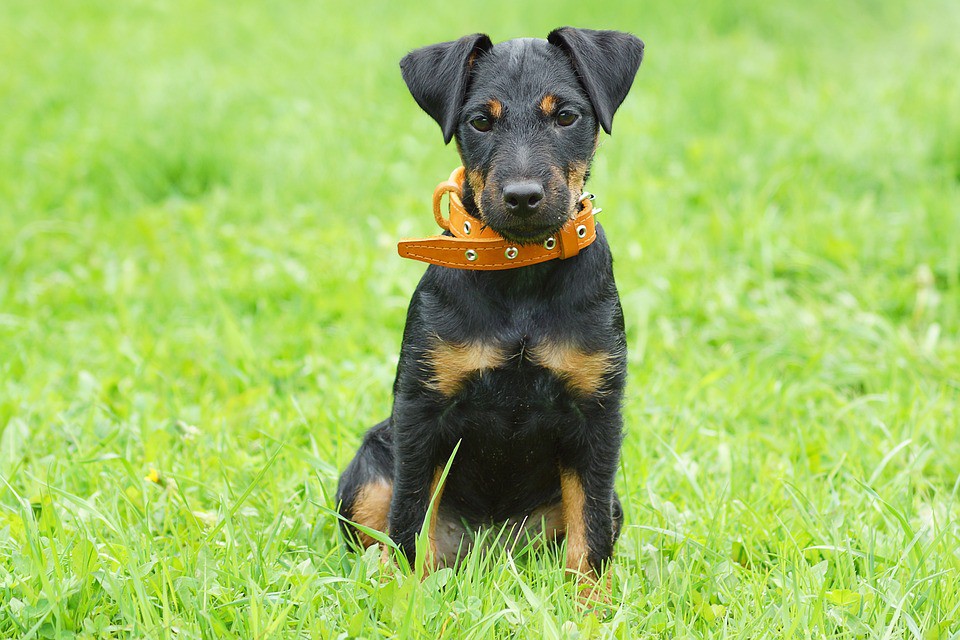
There are over a hundred species of hunting dogs, but about two dozen are used specifically for hunting. These are often huskies, pointers, hounds, and greyhounds. When choosing a breed, consider how you plan to hunt and what conditions you can provide. Dog breeders advise against choosing a universal breed, preferring a more specific specialization based on your preferences.
The working and living conditions of the hunter are especially important. If you live in the city and hunt exclusively in early autumn, you should choose a gun dog. If you hunt in late fall or early winter, a hound is a better choice. If you hunt full-time career, you should choose a Laikas or a hunting dog like a Dachshund or Fox Terrier. They are excellent for areas rich in game.
A doghouse
A hunting dog should be kept in a bright and dry kennel. The room or kennel must not be too hot or too cold, regardless of the season. It must be protected from drafts and precipitation. It is best to place the kennel in a sunny place but protected from the sun.
The bottom of the doghouse should be covered with straw, which should be changed once or twice a week. Also, make sure your pet is warm in the winter, which requires more straw and possibly additional floor insulation. It is advisable to disinfect the walls and remove excrement remains every few weeks.
For the doghouse to be a pleasant place to rest, it must be made familiar to the dog from an early age. The dog should not be allowed to leave the kennel and should not be allowed to howl or whine. With enough time and more freedom of movement, your dog will find it easier to cope with being away from its owner.
Hunting dogs are not usually kept on a chain unless necessary. A hunting dog chain should be light and long so that the dog cannot get tangled in it.

The hunting dog and its attitude in the house
Small breeds of hunting dogs live well in a house. The dog should be accustomed to its own quiet place and not sit on soft furniture. Your dog's place should be far from radiators and easy to clean.
Your dog should have easy access to water at all times, and food should be given only at specific times. Air out the area where the dog's bed is more often and do not let him spend extended periods in the bathroom or kitchen.
You can buy a cage to prevent your pet from causing damage in your absence. If you keep your dog in a townhouse, you will have to walk him several times a day. In this way, your dog will become smarter and more social.
Nutrition
Because of the increased workload of hunting dogs, their diet should be primarily balanced and sufficiently nutritious, and overfeeding should be avoided. Two meals a day in medium portions should be sufficient. Remember to provide easy access to fresh water and avoid dehydration.
During hunting season, the workload increase, which means your pet will need to eat more high-calorie foods. Start increasing energy intake 1-2 weeks before hunting season begins.
You should feed your dog 1-2 hours before the hunt - your dog should not be hungry, but you should not feed him just before the hunt, give him time to digest. After the hunt, you should feed your dog only after a while, because a tired dog has no appetite. If you have hunted all day, you can start feeding in small portions after 2 to 3 hours.
The most important things to avoid:
- Going along with the dog and giving treats for free. A treat is a reward - you have to earn it.
- Putting spices in the food. Dogs have different receptors than humans, so spices can affect their sense of smell.
- Feeding during the day can affect your pet's appetite for the main meal.
Hygiene
Long-haired hunting dog breeds need constant grooming. Brushing is useful to keep the fur clean and remove dirt and dust. If it cannot be detangled by hand, it should be clipped.
Hunting dogs should be bathed once a week with a special dog shampoo, more often if needed. In warm weather, you can let your dog bathe in a pond. Dry the dog's fur with a towel after the bath. Pay special attention to the ears, avoid water getting into them, and clean them carefully with a cotton swab with hydrogen peroxide.
Walking Routine
Hunting dogs need constant exercise to stay fit and in good shape to release their energy.
It's a good idea to practice simple commands on walks to help your dog hunt.
Recommendations for walking:
- A hunting dog should be walked on a leash and muzzled;
- Walk two to three times a day at the same time;
- The duration of the walk should be at least half an hour;
- To adapt to the conditions of hunting, it's good to go with the dog outdoors or in the forest. So, in the absence of people, the dog can run freely and get as much exercise as possible. Of course, the walks outside the city should take place only after the dog has become accustomed to the urban environment.
Preparation for the hunt
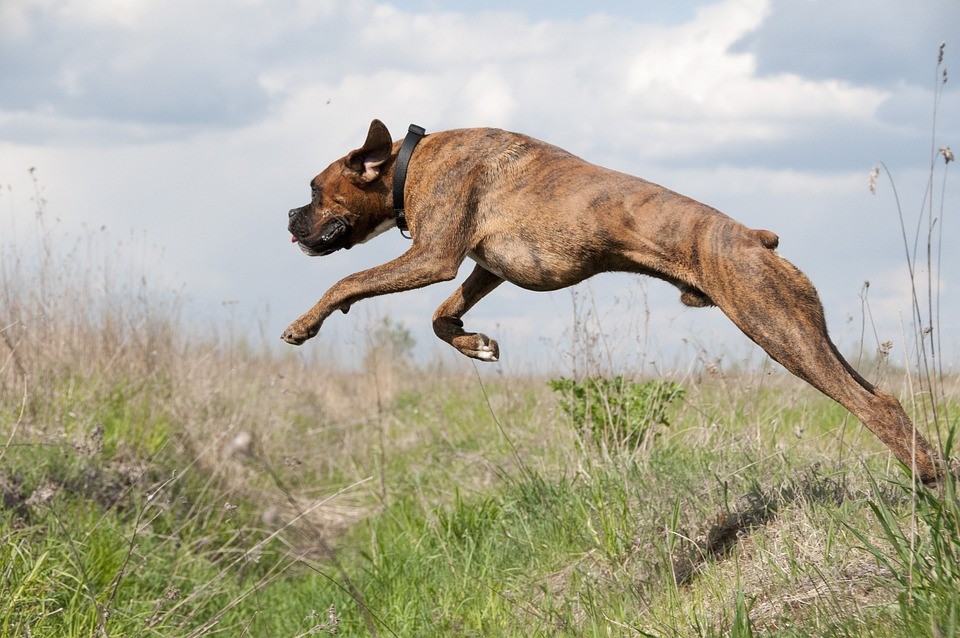
At 6-8 months of age, your puppy is already sufficiently socialized and able to learn basic commands. This is the best time to start training. If you feel that your puppy is not interested in hunting at all, you need to pay more attention to his training and encourage him even in the smallest progress. Professionals, whose contacts you can find at most hunting dog clubs, can help stimulate instincts. They will teach your dog the necessary hunting skills and develop his working ability. Each breed has its own training needs, and of course, a professional trainer is important for the best results.
Important points when training a dog:
-
Train your dog to the sound of rifle shots
-
Teach your dog the sound of a whistle
-
Teach your dog to retrieve game (chicken wings or paws can be used for training)
-
Get him used to the smell of wild animals
Buying a hunting dog is worthwhile if you're confident in your abilities. Even if you don't hunt, you'll spend a lot of time walking and training with your dog. And if you live your life as a hunter, there is no better friend than a faithful hunting dog.