The History Of Hunting: A Timeless Pursuit
Dec 09, 2023
Hunting, a primal and instinctive practice, has played a significant role in the evolution of human societies throughout history. From the earliest civilizations to modern times, the act of hunting has been deeply intertwined with survival, cultural identity, and societal development.

The roots of hunting can be traced back to prehistoric times when early humans relied on hunting as a primary means of securing food. Primitive tools such as spears, bows, and arrows were crafted for the purpose of capturing and killing animals for sustenance. As hunter-gatherer societies emerged, hunting became a crucial skill that defined the success and survival of a community.
In ancient civilizations, hunting took on additional significance beyond mere sustenance. Many cultures incorporated hunting into their religious practices and rituals, viewing it as a way to connect with the natural world and express gratitude for the resources provided by the environment. In societies such as ancient Egypt and Greece, hunting was often associated with gods and goddesses, with elaborate ceremonies and festivals dedicated to celebrating the prowess of hunters.

During the medieval period, hunting became a privilege reserved for the aristocracy. Nobles engaged in falconry, the use of trained birds of prey to capture game, as a symbol of their social status and skill. The practice of hunting with hounds also gained popularity, leading to the development of specific breeds bred for their tracking and hunting abilities.
The Renaissance marked a shift in the perception of hunting. As societies became more urbanized, hunting transformed from a necessity to a leisure activity. Monarchs and nobles created vast hunting reserves, where elaborate hunts were organized as social events. Hunting lodges and clubs were established, fostering a sense of camaraderie among the elite who shared a passion for the pursuit.
In the 19th century, hunting experienced further evolution with the advent of firearms. The industrial revolution brought about technological advancements that revolutionized the way humans hunted. Firearms provided hunters with increased accuracy and efficiency, changing the dynamics of the pursuit.
The 20th century witnessed a growing awareness of conservation and the need to manage wildlife populations responsibly. Concerns about overhunting and habitat destruction prompted the establishment of regulations and laws to ensure the sustainability of hunting practices. Conservation efforts focused on maintaining a balance between preserving ecosystems and meeting the needs of human populations.
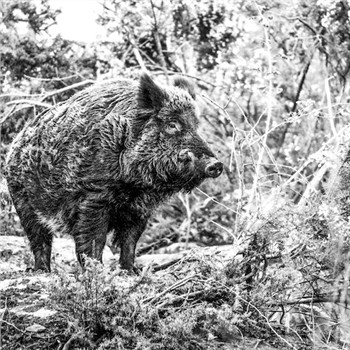
In the present day, hunting continues to be a polarizing topic. Advocates argue that it fosters a connection with nature, provides a sustainable source of food, and contributes to wildlife management. Opponents raise concerns about animal welfare and the impact of hunting on endangered species.
In conclusion, the history of hunting is a complex tapestry woven through the fabric of human existence. From a primal necessity to a symbol of status and leisure, hunting has evolved alongside human societies. While the methods and motivations behind hunting have transformed over the centuries, the fundamental connection between humans and the natural world persists, making hunting a timeless pursuit that reflects our intricate relationship with the environment.