The Basics: Puppy Training For New Pet Parents
Sep 20, 2022
Your new puppy is finally home! It's important to start training your puppy right away to keep your new furry friend from chewing on your favorite slippers or peeing in the middle of the rug.

If you're a new pet parent, you might be confused about where to start. The best way to do this is to integrate the basics of training at home. These tips will get you off to a good start:
Name your new puppy. Help him respond to his new name by using it when you feed him or call him over.
Decide on house rules. Decide whether to allow the puppy on your bed or sofa, or if there is a part of the house off-limits.
Create a special place for your puppy, such as a comfortable dog bed, where he can relax once he arrives in his new home.
Use crate training. Teach your puppy that the crate is his "den" or safe place. Fill it with a soft blanket and use treats at the beginning to lure your puppy in there. Due to the small bladder, the puppy cannot stay in the cage for several hours. If you work 8-hour shifts, have someone watch your puppy during the day. Puppies under 6 months should not be left alone for more than an hour or two at a time.

Train from an early age. While some pet parents wait until their dog is nearly six months old to start training dogs, it can be beneficial to start training when they are brought home at eight weeks of age.
Household training your puppy. Form a timetable. Get up at the same time every day and take your dog outside. Use phrases like "go to the potty" so he learns the command to pee in the yard.
Stick to the feeding schedule. Feed your puppy at the same time each time. It also helps regulate his bathroom schedule.
Use food and praise when teaching basic commands. When taught commands like come or sit, your puppy will obey, give him a treat and a bunch of compliments, and give him an affectionate pat on the head. He will see how excited you are and want to do it again.
Remember, dogs live in the moment. If you don't catch your puppy biting your slippers and only see it when you get home from work, you can't scold him. The puppy won't know why you're mad at him.
Biting and biting is discouraged. Say no! "If he tries and never hits your dog. Give him a chew toy if you can.
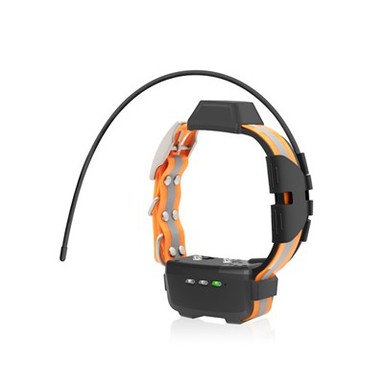
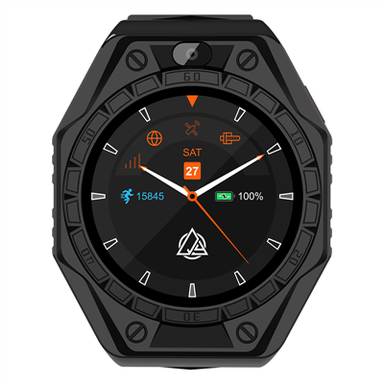
Try Tr-dog training. Tr-dog training can show your puppy exactly how you reward it. You use a clicker or other type of sound device to signal that you are praising your puppy for a good deed. The dog will understand this quicker and will be more likely to repeat the action. The Tr-dog collar actually has vibration training controls built into the collar that you can use for this type of training.
You can control these tools directly from your handheld device.
Forming a basic foundation will help you and your puppy develop a stronger bond as you progress through more advanced dog training.