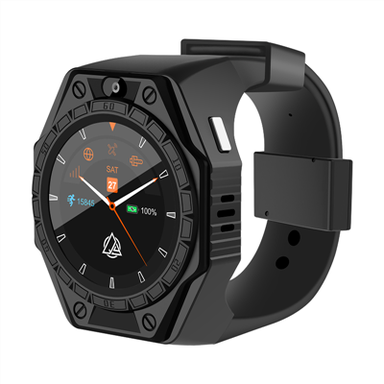
Is There A Device To Track A Prisoner?
Jun 12, 2025
Is There a Device to Track a Prisoner?
Yes, there are devices specifically designed to track prisoners, and they are increasingly used by law enforcement agencies around the world. With advances in GPS and wireless technology, tracking prisoners outside of traditional prison walls has become a viable option for improving public safety, reducing prison overcrowding, and monitoring individuals on parole or house arrest.

Electronic Monitoring Devices
The most common method of tracking prisoners is through electronic monitoring devices, typically in the form of ankle bracelets. These devices are worn around the ankle and use GPS, RFID, or cellular networks to track the individual's location in real time. The data is transmitted to a monitoring center where authorities can view the movements of the individual 24/7.
These devices are commonly used for:
Home confinement (house arrest)
Pre-trial monitoring
Parole and probation supervision
Sex offender tracking
Immigration control
Some ankle monitors are equipped with geofencing capabilities, which allow authorities to set virtual boundaries. If the wearer leaves a permitted area or enters a restricted zone, the system automatically sends an alert to law enforcement.
How the Technology Works
Modern tracking devices use Global Positioning System (GPS) technology to pinpoint the wearer's location. Some also include cellular connectivity, allowing them to send real-time location updates even when GPS signals are weak (like indoors). Others use radio frequency (RF) technology for basic presence verification, typically checking whether someone is within a fixed distance of a home base unit.
Battery life, tamper detection, and waterproofing are standard features. If someone attempts to remove or disable the device, an alert is immediately sent to the monitoring agency.
Benefits of Prisoner Tracking Devices
Reduced prison overcrowding – By allowing non-violent offenders to serve sentences at home or in the community, space in jails and prisons is conserved.
Cost-effectiveness – Electronic monitoring is significantly cheaper than incarceration.
Increased flexibility – Offenders may be allowed to work, attend counseling, or fulfill family obligations while still being monitored.
Public safety – Real-time tracking allows for quick response if an offender violates restrictions.

Ethical and Legal Considerations
While these devices offer clear benefits, they also raise ethical and privacy concerns. Continuous tracking can feel dehumanizing, and some critics argue it shifts the burden of incarceration from the state to the home. There are also concerns about false alerts, technical failures, and unequal access to justice-since wealthier individuals may more easily comply with electronic monitoring terms.
Additionally, tampering with or removing a tracking device is a criminal offense in most jurisdictions, and can lead to revocation of parole or additional charges.
Conclusion
Yes, there are highly effective devices to track prisoners, primarily in the form of GPS-enabled ankle monitors. These tools serve as a critical component of modern criminal justice systems, helping manage non-violent offenders, improve rehabilitation opportunities, and maintain public safety. As with any technology, their use must be balanced with respect for human rights, privacy, and due process.