Hunting Gear Trends in 2026: How Technology Is Transforming The Way We Hunt
Mar 25, 2026
In 2026, hunting is no longer defined solely by tradition and instinct. While the core principles of patience, skill, and respect for nature remain unchanged, modern technology is rapidly reshaping how hunters prepare, track, and succeed in the field. From smart tracking devices to AI-powered scouting tools, hunting gear has entered a new era of innovation.
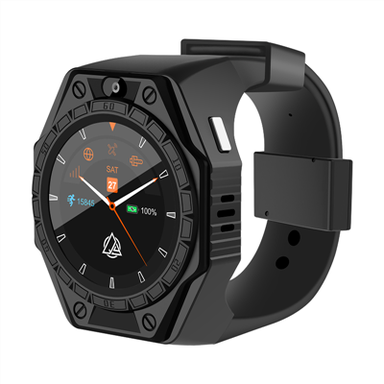
One of the most significant advancements is in GPS tracking and wearable technology for hunting dogs. Modern tracking collars now offer real-time location updates, health monitoring, and even behavioral analytics. Hunters can track their dogs over long distances with pinpoint accuracy, improving both efficiency and safety. These devices often integrate with mobile apps, allowing hunters to receive alerts and analyze data instantly.

Another major trend is the use of drones for scouting. Lightweight, quiet drones equipped with high-resolution cameras and thermal imaging are increasingly being used to survey terrain and locate game. This technology reduces the need for physical scouting trips, saving time and minimizing human impact on wildlife habitats. While regulations vary by region, drones are becoming an essential tool for serious hunters.
Artificial intelligence is also playing a growing role. AI-powered trail cameras can now distinguish between different animal species, filter out false triggers, and send real-time notifications directly to a hunter's smartphone. This eliminates hours of manual image review and allows hunters to focus on strategic decision-making rather than data sorting.
In addition, advancements in optics have greatly improved hunting accuracy. Smart scopes with built-in rangefinders, ballistic calculators, and environmental sensors help hunters make precise shots even in challenging conditions. These devices can automatically adjust for distance, wind speed, and elevation, reducing human error and increasing ethical hunting practices.
Sustainability and eco-conscious design are also key trends in 2026. Many manufacturers are now producing gear made from recycled materials or designed to minimize environmental impact. Solar-powered devices, biodegradable packaging, and longer-lasting batteries are becoming standard features in modern hunting equipment.
Finally, connectivity is redefining the hunting experience. Hunters can now share data, maps, and insights with others in real time. Cloud-based platforms allow for better planning, coordination, and learning, especially for those hunting in groups or unfamiliar territories.
Despite these technological advancements, the essence of hunting remains deeply rooted in tradition. Technology serves as a tool to enhance-not replace-the hunter's skills and connection to nature. As we move further into the future, the balance between innovation and tradition will continue to shape the evolution of hunting.
In conclusion, 2026 marks a turning point where technology and tradition coexist more seamlessly than ever. Hunters who embrace these innovations are not only becoming more effective but also contributing to safer, more ethical, and more sustainable hunting practices.