

Evolution Of The Dog ,How The Wolf Became Dog?
Aug 18, 2022
Scientists believe that the domestication of dogs began between 18,000 and 33,000 years ago. But they are divided on whether domestication started earlier -- friendly dogs following hunter-gatherers on the trails of game -- or later, when humans first flocked to small farming villages, stayed in one place and made piles attractive rubbish (yummy).
We've explored a ton of research and scholarship for truly geeky (and enlightening!) reading -- all in an effort to answer the age-old question, "Where did dogs come from?"
Dog domestication revealed
The oldest domestic dog fossil ever found is 14,000 years old. The good news is that these were intentionally buried, apparently not only by humans, but sometimes with them (much to the chagrin of domestic cats, whose earliest burials date back 9,500 years).
Where in the world domestication first began is a topic of debate. A recent study tracked the mitochondrial DNA of 38 prehistoric canids and compared it to 49 wolves, 77 modern dogs, 3 native Chinese dogs and 4 coyotes. The results point to a domestication center in Europe.
Origins of dog/human companionship
The act of domesticating a dog may not have been a conscious decision—at least at first. Bold dogs who run without seeing humans easily get free food. The descendants of these dogs, if they wished, either continued the primitive domestic lifestyle, or went back to a wilder way of life generation after generation until the fearless dog became a little different: an animal that coexisted with humans. In exchange for cooperative hunting skills, territorial protection from other predators, and the ability to be alerted for security, the dogs received an adequate year-round food supply and the safety of their puppies.
From chance mates to selective breeding
As humans moved from hunter-gatherer nomadic societies to agricultural village models, humans began to consciously reproduce selectively to emphasize desirable behaviors such as hunting and retrieval, and take on new tasks such as herding or moving goods.
How much "domestication" took place between human settlements and dogs during this time is really unknown. This makes us wonder if the wide variety of dogs we see today is partly the result of multiple spontaneous domestication relationships taking place in East Asia, the Middle East, and Europe.
hybridization problem
To further muddy the waters, domestic dogs can interbreed with their closest wolf-like relatives: jackals, dingoes and coyotes.
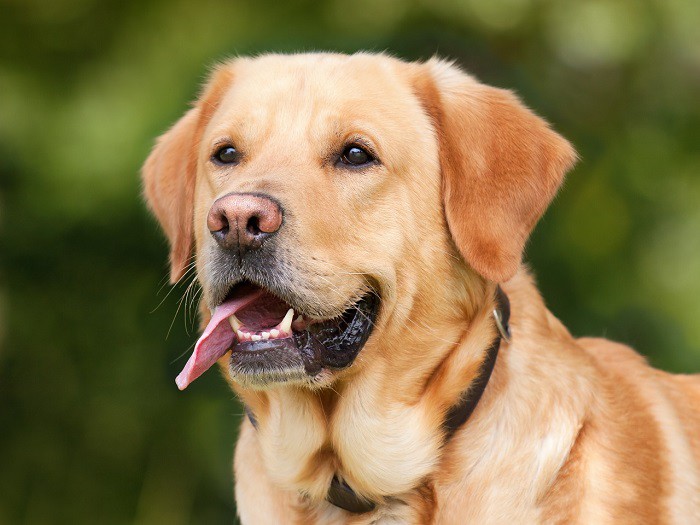
Golden jackals can be crossed with domesticated dogs and are used in Russia to create hybrid sniffer dogs.
Dingoes are descended from the seafaring Asian domesticated dogs that visited Australia and made their home more than 3,500 years ago. They have been freely interbred with domestic dogs since European colonists brought them here in the 18th century. Both Australian Cattle Dogs and kelpies count dingoes in their pedigree.
Coyotes, while solitary by nature with slightly different heat cycles, can and do interbreed with domesticated dogs and wolves. Red wolves get their unique color from coyote genes, just as black wolves get their color from domestic dogs.
We may never know exactly how dogs became our closest and first companion animals, but there is no doubt that our lives would never be the same without them.


