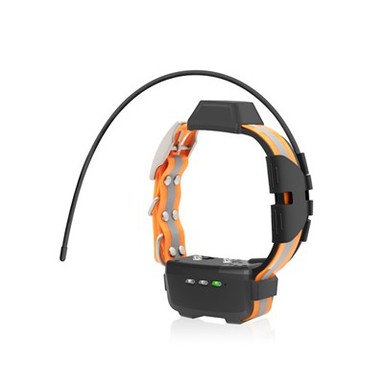
Enhancing Hunting With Hounds :The Advantages Of GPS Tracking Collars
May 19, 2023
Enhancing Hunting with Hounds: The Advantages of GPS Tracking Collars
Introduction:
Hunting with hounds has long been an exhilarating and time-honored tradition. With advancements in technology, modern hunting enthusiasts have found new ways to enhance this ancient practice. One such innovation is the use of GPS tracking collars for hounds. In this article, we explore the advantages and benefits of integrating GPS tracking collars into the art of hunting with hounds, revolutionizing the way we track, locate, and manage our hunting partners.
Real-Time Tracking and Location:
GPS tracking collars provide hunters with the ability to monitor their hounds' location in real-time. By equipping each hound with a collar, hunters can effortlessly track their dogs' movements, ensuring they remain within a designated hunting area. This feature significantly reduces the risk of losing hounds, improving safety and efficiency during the hunt.
Retrieval of Strayed or Injured Hounds:
During the pursuit of game, hounds can occasionally stray away or get injured. GPS tracking collars become invaluable tools in such situations. Hunters can quickly pinpoint the exact location of a lost or injured hound, facilitating swift retrieval and necessary assistance. This not only enhances the safety and welfare of the hounds but also minimizes the potential for prolonged distress or compromised hunting opportunities.
Assessing Performance and Hunting Efficiency:
The integration of GPS tracking collars allows hunters to analyze their hounds' performance and hunting efficiency. By reviewing the recorded data, including distance covered, speed, and time spent on different tasks, hunters can gain valuable insights into each hound's capabilities. This information helps in making informed decisions regarding breeding, training, and overall pack management, ultimately leading to more effective hunting experiences.
Enhancing Strategy and Game Management:
GPS tracking collars empower hunters to develop advanced strategies and improve game management. By monitoring the movement patterns and behavior of hounds, hunters can identify preferred hunting grounds, common game trails, and areas where game is abundant. This data can be used to develop strategic plans, such as adjusting hunting routes, identifying optimal ambush locations, and even contributing to wildlife conservation efforts by avoiding sensitive areas.
Collaboration and Teamwork:
In group hunting scenarios, GPS tracking collars foster better collaboration and teamwork among hunters. With the ability to track each hound's position, hunters can coordinate their efforts more effectively. This enables them to maintain proper spacing, prevent the risk of accidental crossfire, and communicate in real-time to optimize the pursuit and capture of game.
Minimizing Environmental Impact:
GPS tracking collars offer a practical solution for minimizing the environmental impact of hunting with hounds. By precisely tracking the movement of hounds, hunters can avoid sensitive habitats, protected areas, or private property, promoting responsible and sustainable hunting practices. This helps preserve the natural environment and maintain positive relationships with landowners and local communities.
Conclusion:
The integration of GPS tracking collars into hunting with hounds has revolutionized the way enthusiasts approach this ancient tradition. With the ability to monitor hounds' movements in real-time, retrieve lost or injured dogs quickly, assess performance, and enhance hunting strategies, GPS tracking collars have become invaluable tools for modern hunters. By combining tradition with technology, hunters can ensure safer, more efficient, and environmentally conscious hunting experiences, while preserving the excitement and thrill of the chase.