Bay Dogs Vs. Catch Dogs: What's The Difference?
Jul 13, 2026
Hunting with dogs requires teamwork, and every dog has a specific role. When hunting wild hogs and other large game, two of the most important types of hunting dogs are bay dogs and catch dogs. Although they often work together, their jobs, skills, and training are completely different. Understanding these differences helps hunters choose the right dogs for their hunting style while ensuring safety and efficiency in the field.

What Is a Bay Dog?
A bay dog is responsible for finding and locating the game. These dogs use their strong sense of smell to track animals over long distances. Once they find the target, they surround it at a safe distance and bark continuously to keep the animal in one place. This behavior is known as baying.
The goal of a bay dog is not to attack the animal but to hold its attention until the hunter or catch dogs arrive. A good bay dog is intelligent, fast, and courageous, but it also knows how to avoid unnecessary danger.
Popular bay dog breeds include:
* Catahoula Leopard Dog
* Black Mouth Cur
* Treeing Walker Coonhound
* Plott Hound
These breeds are known for their excellent tracking ability, endurance, and loud, consistent barking.
What Is a Catch Dog?
Once the bay dogs have successfully stopped the animal, the catch dog enters the scene. Unlike bay dogs, catch dogs are trained to physically engage the game. Their job is to grab and hold the animal, usually by the ear or shoulder, until the hunter can safely control it.
Catch dogs need tremendous strength, confidence, and determination. They wear protective vests and collars because they work at very close range and face a much higher risk of injury.
Common catch dog breeds include:
* American Bulldog
* American Pit Bull Terrier
* Dogo Argentino
These dogs are muscular, powerful, and capable of controlling large, aggressive animals.
Key Differences
Although both types of dogs are essential for successful hunts, they have very different responsibilities.
Bay Dogs:
* Locate and track game.
* Hold animals by barking.
* Maintain a safe distance.
* Rely on speed, scent, and agility.
Catch Dogs:
* Physically restrain the animal.
* Work only after the game is bayed.
* Operate at close range.
* Depend on strength, grip, and courage.
Because of these different roles, the training methods are also different. Bay dogs focus on scent work, obedience, and controlled barking, while catch dogs require careful training in controlled engagement, obedience, and handler commands.
Working Together as a Team
The most successful hunting teams rely on both bay dogs and catch dogs working together. Bay dogs locate and contain the animal without making physical contact, reducing unnecessary risks. Once the situation is under control, catch dogs move in to secure the animal. This coordinated approach improves hunting efficiency while helping keep both dogs and hunters safer.
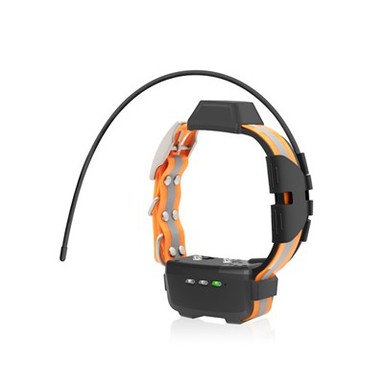
Modern technology also plays an important role during these hunts. GPS tracking systems allow hunters to monitor each dog's location, movement, and status in real time. Knowing where the bay dogs have located game enables hunters to quickly deploy catch dogs and respond efficiently, especially in dense forests, rough terrain, or low-visibility conditions.
Conclusion
Bay dogs and catch dogs perform two very different but equally important roles in hunting. Bay dogs excel at locating and holding game through barking and positioning, while catch dogs are responsible for safely restraining the animal. When properly trained and equipped, these specialized dogs complement each other perfectly, creating an organized and effective hunting team. Understanding their unique strengths not only improves hunting success but also helps protect both the dogs and their handlers in the field.