Hog Hunting Safety: 10 Essential Rules Every Hunter Should Know
Aug 10, 2026
Hog hunting can be an exciting and challenging outdoor activity, but wild hogs are powerful, unpredictable animals that can become extremely dangerous when threatened or wounded. Whether you are hunting alone or with a group, following basic safety rules is essential. Good preparation, proper equipment, and clear communication can help make every hunting trip safer and more enjoyable.
1. Know Your Target
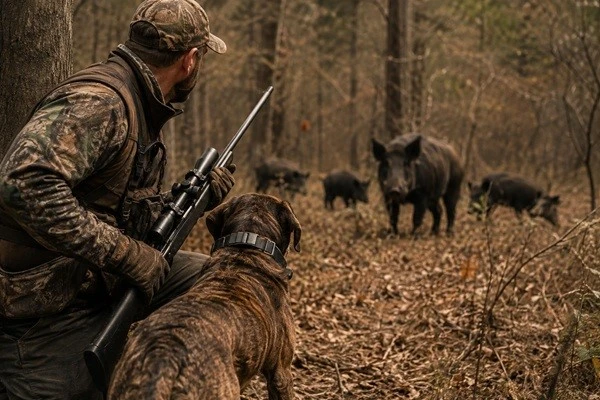
One of the most important rules of hog hunting is to identify your target before taking a shot. Never shoot at movement, shadows, or sounds alone. Make sure you can clearly identify the animal and understand what is behind it. A safe backstop is essential because bullets can travel a long distance and may ricochet from hard surfaces.
Hunters should also be familiar with local hunting regulations, legal hunting hours, permitted weapons, and property boundaries before entering the field.
2. Handle Firearms Responsibly
Always treat every firearm as if it is loaded. Keep the muzzle pointed in a safe direction and keep your finger outside the trigger guard until you are ready to shoot. Use the correct ammunition for your firearm and inspect your equipment before heading into the field.
If multiple hunters are participating, establish clear shooting zones and make su re everyone knows where other members of the group are positioned. Never shoot toward an area where another hunter, guide, or dog could be located.
3. Use Extra Caution Around Wounded Hogs
A wounded hog can be more dangerous than a healthy animal. Wild hogs have strong bodies, sharp tusks, and powerful jaws, and they may charge when cornered or injured. Never approach a downed hog immediately after shooting.
Wait for an appropriate amount of time and observe the animal from a safe distance. When checking the animal, use extreme caution and avoid placing yourself directly in front of it. Hunters should also communicate with their partners before approaching a potentially wounded hog.
4. Keep Hunting Dogs Safe
Dogs are valuable partners in hog hunting, but they can also be exposed to significant risks. Protective equipment, proper training, and reliable tracking technology can help reduce these risks.
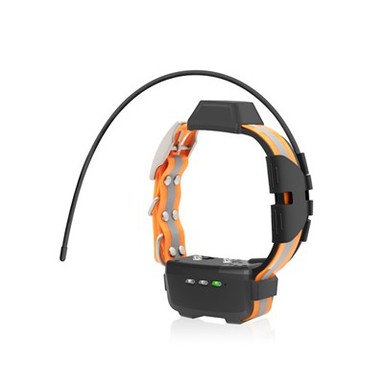
A GPS tracking collar can make it easier to monitor a dog's location, especially when hunting in thick vegetation or unfamiliar terrain. Knowing the dog's distance and direction can help hunters avoid getting separated from their dogs and respond more quickly if something goes wrong.
5. Watch the Terrain and Weather
Hog hunting often takes place in forests, swamps, fields, and other difficult environments. Before the hunt, check the weather forecast and prepare for changing conditions. Carry enough water, appropriate clothing, a flashlight, navigation equipment, and a basic first-aid kit.
Be especially careful around steep slopes, rivers, muddy ground, and dense vegetation. Fatigue and poor visibility can increase the chance of accidents.
6. Communicate With Your Hunting Team
Clear communication is one of the simplest ways to improve hunting safety. Before starting, discuss the hunting plan, meeting points, shooting directions, and emergency procedures. Radios or mobile communication devices can be useful when hunters are spread across a large area.
Most importantly, never assume that other hunters know where you are. Make your position clear before moving or changing locations.
Conclusion
Hog hunting requires more than good shooting skills. Safety depends on preparation, responsible firearm handling, awareness of the environment, careful treatment of wounded animals, and effective communication. When hunters respect the power and unpredictability of wild hogs and take the right precautions, they can enjoy the experience while reducing unnecessary risks.