The Hunter’s Mindset: How Discipline and Patience Lead to Success
Sep 18, 2026
Hunting is often associated with skill, equipment, and physical endurance. But beyond the excitement of being outdoors, hunting teaches two valuable qualities that can benefit almost every part of life: discipline and patience. Success in the field rarely comes from rushing. It comes from preparation, consistency, careful observation, and knowing when to wait.
Preparation Builds Discipline
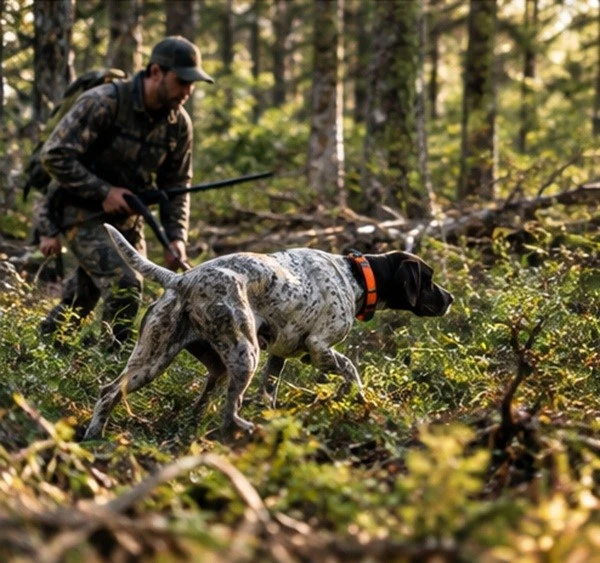
A successful hunt begins long before stepping into the woods. Hunters need to prepare their equipment, study the terrain, check weather conditions, plan their route, and make sure their dogs are ready. Small details can make a significant difference.
This preparation teaches discipline because hunters must develop good habits and follow them consistently. Even when conditions seem perfect, skipping an important step can create unnecessary problems later. Over time, hunters learn that preparation is not something to do only when convenient-it is part of the process.
Patience Creates Better Opportunities
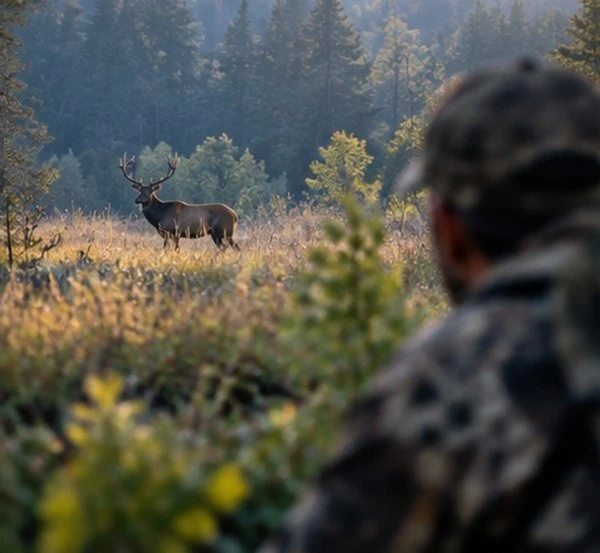
Wild animals do not follow a hunter's schedule. A hunter may spend hours waiting without seeing anything. For beginners, this can be one of the hardest parts of hunting.
Patience teaches hunters to remain focused even when nothing seems to be happening. Instead of constantly moving or making unnecessary noise, experienced hunters learn to observe their surroundings and wait for the right opportunity.
This lesson extends beyond hunting. Many worthwhile goals in life also require time. Whether building a career, learning a skill, or developing a business, immediate results are not always possible. Patience allows people to continue working toward a goal without becoming discouraged by slow progress.
Learning to Control Your Reactions
Hunting also teaches emotional discipline. Unexpected sounds, sudden animal movement, or a missed opportunity can create excitement or frustration. Acting too quickly can lead to poor decisions.
A disciplined hunter learns to pause, observe, and think before reacting. Staying calm helps maintain focus and makes it easier to respond appropriately when conditions change.
This ability to control reactions is useful far beyond the hunting field. In everyday situations, taking a moment to think before acting can prevent mistakes and improve decision-making.
Learning From Mistakes
Not every hunt ends successfully. Sometimes animals are not found, weather conditions change, or a carefully planned approach does not work.
Instead of viewing these experiences only as failures, hunters can use them as opportunities to learn. What could have been done differently? Was the approach too rushed? Was the terrain misunderstood? Was there not enough preparation?
This mindset encourages discipline because improvement requires consistency. It also develops patience because becoming better at any skill takes time.
The Value of Waiting for the Right Moment
Perhaps the greatest lesson hunting teaches is that success cannot always be forced. Sometimes the best decision is simply to wait.
Discipline helps hunters prepare and stay focused. Patience helps them recognize that the right opportunity may take time to appear. Together, these qualities create a mindset based on preparation, observation, and persistence.
Whether in the woods or in everyday life, learning when to act-and when to wait-can be one of the most valuable skills a person develops.