What Do Hunters Use For Hunting
May 13, 2023
Hunting has been an integral part of human history and culture for thousands of years. As a means of survival, a sport, or a way to connect with nature, hunting requires a combination of skill, knowledge, and the right tools. So, what do hunters use for hunting? Let's explore the essential equipment that helps hunters in their pursuit of game.
Firearms:
Firearms are among the most common tools used by hunters. Shotguns, rifles, and handguns are designed to propel projectiles at high speeds, providing hunters with a means to take down game from a distance. Depending on the type of hunting and the size of the game, hunters may opt for different firearms and ammunition.

Bows and Crossbows:
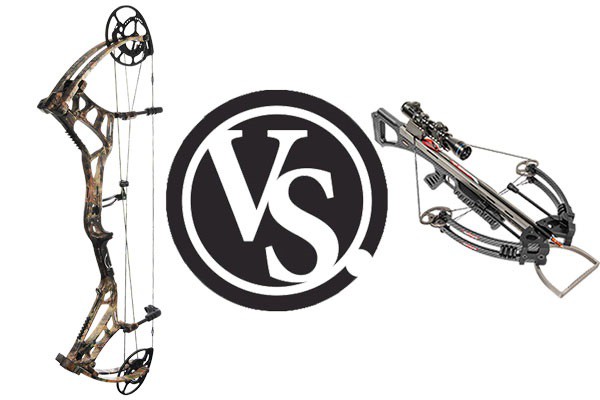
Archery hunting has a rich history and continues to be a popular choice for many hunters. Bows and crossbows require skill, precision, and patience. They offer a quieter and more intimate hunting experience, requiring hunters to get closer to their target. Modern bows and crossbows are equipped with advanced technology, such as sights and stabilizers, to enhance accuracy.
Ammunition and Arrows:
Whether using firearms or archery equipment, hunters need the right ammunition or arrows. The choice of ammunition or arrows depends on the type of game being pursued. It is essential for hunters to have a good understanding of ballistics and the terminal performance of different ammunition types to ensure a clean and ethical kill.

Optics:
Optics play a crucial role in hunting, helping hunters spot and identify game from a distance. Binoculars and spotting scopes allow hunters to survey the landscape and locate their prey. Telescopic sights mounted on firearms provide magnification and aid in accuracy, especially for long-range shooting.
Hunting Clothing and Accessories:
Hunters need specialized clothing and accessories to blend into their surroundings and withstand the elements. Camouflage patterns help hunters stay hidden, while quality boots, gloves, and hats provide comfort and protection. Additionally, gear such as game calls, decoys, and scent control products can be used to attract or deceive game.

Knives and Field Dressing Tools:
After successfully harvesting game, hunters require tools for field dressing and processing. A sharp and reliable hunting knife is essential for skinning, gutting, and butchering. Field dressing kits often include additional tools like bone saws, gut hooks, and shears, making the task more efficient and manageable.

Backpacks and Game Bags:
Hunters often venture into remote areas, so they need a reliable backpack to carry their equipment, food, water, and other essentials. Backpacks with internal frames provide comfort and stability during long treks. Game bags are used to transport harvested game while maintaining its quality and preventing spoilage.
Game Calls and Scents:
Hunters employ various techniques to attract game within range. Game calls, such as duck calls or deer calls, imitate animal sounds to lure them closer. Scents can also be used to mask human odor or simulate the scent of potential mates, creating opportunities for a successful hunt.
Safety Equipment:
Safety should always be a top priority for hunters. Depending on the hunting environment, safety equipment may include blaze orange or camouflage clothing for visibility, hearing protection, and protective eyewear. Hunters should also carry a first aid kit and be knowledgeable about wilderness survival techniques.
Knowledge and Experience:
Beyond equipment, hunters rely on their knowledge and experience to be successful. Understanding animal behavior, tracking techniques, hunting regulations, and ethical hunting practices are vital aspects of becoming a responsible and skilled hunter.
Successful hunting goes beyond just having the right gear. Knowledge and experience play a significant role in hunting proficiency. Understanding animal behavior, tracking techniques, and the habitats and patterns of different game species can greatly increase the chances of a successful hunt. Additionally, hunters must stay informed about hunting regulations and ensure that they hunt ethically and responsibly, always respecting wildlife and the environment.
It is worth mentioning that hunting is a diverse activity practiced by people with different motivations. Some hunt for sustenance, relying on hunting as a source of food. Others engage in hunting as a recreational sport or to connect with nature. Regardless of the reasons behind hunting, responsible hunting practices and conservation efforts are crucial for the preservation of wildlife populations and habitats.
In conclusion, hunters utilize a range of tools and equipment, including firearms, bows, ammunition, optics, clothing, knives, backpacks, and game calls, to aid them in their pursuit of game. However, the effectiveness of these tools ultimately depends on the knowledge, experience, and ethical approach of the hunter. With the right combination of equipment and expertise, hunters can partake in a challenging and rewarding activity that allows them to connect with nature and contribute to wildlife conservation efforts.