How To Navigate Safely In Remote Hunting Areas: Essential Tips For Every Hunter
Nov 09, 2026
Hunting in remote areas offers an exciting opportunity to explore untouched wilderness and experience nature at its best. However, unfamiliar terrain, limited communication signals, and unpredictable weather can make navigation challenging. Whether hunting in dense forests, rugged mountains, or vast countryside, proper preparation and navigation skills are essential for staying safe.
1. Plan Your Route Before Entering the Wilderness
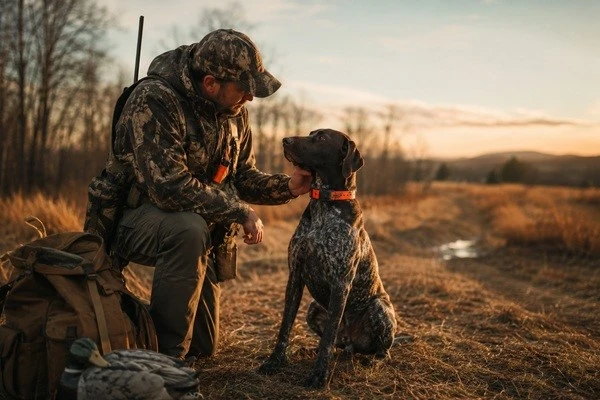
Preparation is the first step toward safe navigation. Before your hunting trip, study the terrain using topographic maps, satellite imagery, and GPS mapping tools. Identify important landmarks, rivers, mountain ridges, trails, and potential hazards.
Plan your route carefully and establish alternative paths in case unexpected obstacles prevent you from continuing. Always inform someone about your hunting location, planned route, and expected return time.
2. Carry Multiple Navigation Tools
Never rely on a single navigation device. A GPS handheld unit or smartphone with offline maps can help you track your position, mark hunting locations, and navigate unfamiliar terrain.
However, electronic devices may lose power or malfunction. Carry a traditional compass and a paper map as reliable backups. Learning basic compass navigation can make a significant difference when technology fails.
3. Download Offline Maps Before Your Trip
Remote hunting areas often have little or no cellular coverage. Download detailed offline maps before leaving home and ensure your GPS device can operate without an internet connection.
Mark important locations, including your starting point, hunting camps, vehicle parking areas, and emergency meeting points. Saving these locations makes returning safely much easier.
4. Keep Track of Your Hunting Dogs
Hunting dogs frequently travel through thick forests and difficult terrain, sometimes moving far beyond the hunter's immediate sight.
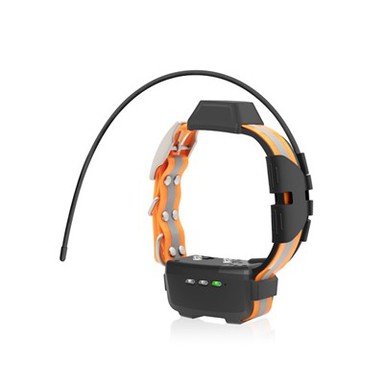
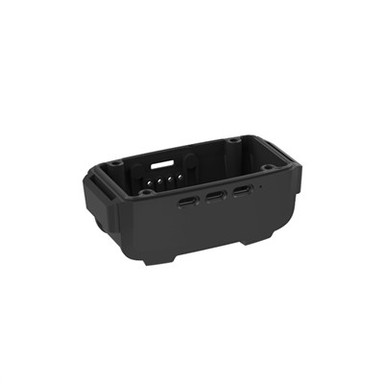
A reliable hunting dog GPS tracking system helps hunters monitor their dogs' locations, understand their movements, and locate them more efficiently. Modern tracking devices with GPS and radio communication can provide valuable assistance even in areas without cellular coverage.
Monitoring your dogs also helps reduce unnecessary wandering and improves overall hunting safety.
5. Watch Weather and Terrain Conditions
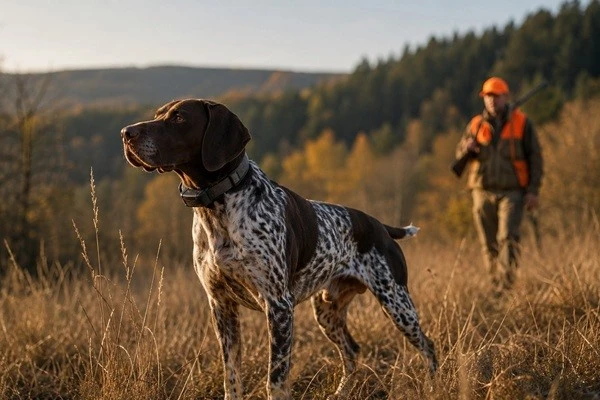
Weather conditions can change quickly in remote hunting environments. Fog, heavy rain, snow, and strong winds may reduce visibility and make familiar routes difficult to recognize.
Pay attention to natural landmarks and avoid crossing dangerous rivers, unstable slopes, or unfamiliar terrain during poor weather. If conditions become unsafe, stop hunting and return to a secure location.
6. Prepare for Emergencies
Carry sufficient water, food, a first-aid kit, a flashlight, extra batteries, and emergency communication equipment. A satellite messenger or emergency beacon can provide additional protection when cellular networks are unavailable.
Always maintain enough battery power for navigation and emergency communication.
Conclusion
Safe navigation is an essential skill for every hunter exploring remote wilderness. By planning routes, carrying reliable navigation tools, monitoring weather conditions, and tracking hunting dogs, hunters can enjoy more confident and responsible outdoor adventures.
Preparation, awareness, and reliable technology are the keys to staying safe in the wild.