How Dangerous Is Wild Boar Hunting?
May 23, 2026
Wild boar hunting is considered one of the most challenging and dangerous types of hunting in the world. Unlike smaller game animals, wild boars are strong, aggressive, and highly unpredictable. Hunters often admire the sport because it requires courage, patience, and skill. However, the risks involved are real, and accidents happen every year. Understanding the dangers of wild boar hunting is important for anyone interested in this activity.
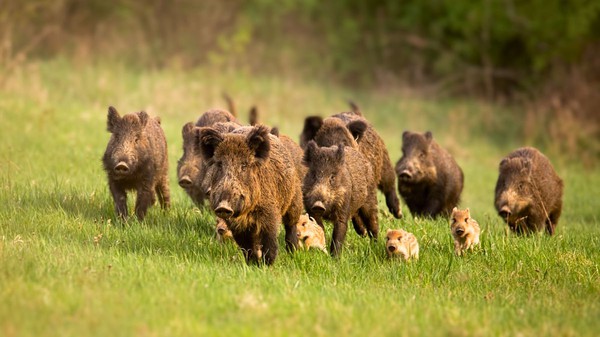
One major danger comes from the physical strength of wild boars. Adult boars can weigh over 100 kilograms and run at surprisingly high speeds. When wounded or frightened, they may charge directly at hunters. Their sharp tusks can cause severe injuries, including deep cuts and broken bones. In some cases, hunters have even lost their lives after being attacked by injured boars. Unlike deer, which usually run away, wild boars are more likely to fight back when they feel threatened.
Another risk is the hunting environment itself. Wild boars often live in dense forests, swamps, and mountainous areas where visibility is poor. Hunters may need to travel long distances on rough terrain, sometimes during bad weather or at night. Slippery ground, hidden holes, and thick vegetation increase the chance of falls and accidents. In remote areas, getting medical help quickly can also be difficult if someone gets injured.
Weapons and hunting equipment create additional dangers. Many hunters use rifles, knives, or spears during boar hunting. Improper handling of firearms can lead to accidental shootings. Hunting dogs are also commonly used to track or corner wild boars, but these dogs may be seriously injured during encounters with aggressive animals. Both hunters and dogs require proper training and protective gear to reduce the risks.
Despite these dangers, experienced hunters can make wild boar hunting much safer by following strict safety rules. Hunting in groups, wearing protective clothing, and using reliable communication devices are important precautions. Hunters should also understand boar behavior and avoid taking risky shots. Respecting the animal and staying calm under pressure are essential skills in dangerous situations.
In conclusion, wild boar hunting is undoubtedly dangerous, but the level of risk depends largely on preparation and experience. The combination of aggressive animals, difficult environments, and weapons makes this activity more hazardous than many other forms of hunting. However, with proper training, safety awareness, and responsible behavior, hunters can reduce the dangers and enjoy the challenge more safely.