History Of Hunting
Apr 01, 2023
The practice of hunting has a long and complex history, spanning thousands of years and involving various cultures and societies across the globe. The origins of hunting can be traced back to prehistoric times, when early humans relied on hunting for survival.
Early humans hunted for a variety of reasons, including food, clothing, and tools. They hunted large game such as mammoths, bison, and deer, using primitive tools like spears and arrows. As humans evolved and developed more advanced tools and weapons, hunting became a more efficient and effective means of obtaining food.
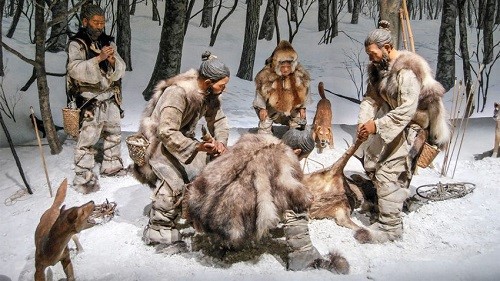
Over time, hunting became an important part of many cultures and societies. In ancient civilizations such as Egypt, hunting was seen as a symbol of wealth and power, and many rulers were depicted in hunting scenes. The ancient Greeks also valued hunting, and it was an important part of their mythology and religion.
In medieval Europe, hunting was a popular pastime among the nobility. Kings, princes, and lords organized hunting parties and competed to see who could catch the largest or most exotic game. Hunting also played a role in military training, as knights and soldiers honed their skills by hunting game.
In the 19th century, hunting became a popular sport among the middle classes in Europe and North America. Wealthy individuals traveled to exotic locations to hunt big game, such as lions, elephants, and tigers. This practice, known as trophy hunting, continues to this day, although it has become increasingly controversial.
While hunting has played an important role in human history, it has also had significant impacts on wildlife populations. In many parts of the world, overhunting has led to the extinction or near-extinction of certain species. This has led to the development of conservation efforts, such as hunting regulations and protected areas, to ensure that wildlife populations remain healthy and sustainable.

Today, hunting remains an important activity for many people around the world. In some parts of the world, such as sub-Saharan Africa, hunting is still a vital means of obtaining food and other resources. In other parts of the world, hunting is primarily a recreational activity, with individuals and groups hunting for sport or trophy.
Hunting has also evolved to become more sustainable and ethical. Many hunters now practice fair chase hunting, which involves giving game animals a fair chance to escape and avoiding the use of unethical practices such as baiting or hunting from vehicles. Additionally, many hunters now focus on conservation and management, working to ensure that wildlife populations remain healthy and sustainable for future generations.
In recent years, hunting has become a controversial issue, with debates over its ethics, impact on wildlife populations, and role in conservation. Some argue that hunting is a necessary part of wildlife management, while others believe that it is cruel and unnecessary. The controversy has led to increased efforts to regulate hunting and to promote more sustainable and ethical practices.

In conclusion, hunting has a long and complex history, spanning thousands of years and involving various cultures and societies across the globe. While hunting has played an important role in human history, it has also had significant impacts on wildlife populations. Today, hunting remains an important activity for many people around the world, and efforts are being made to promote more sustainable and ethical practices.