Does Your Hunting Dog Need A GPS? (2)
Oct 20, 2022
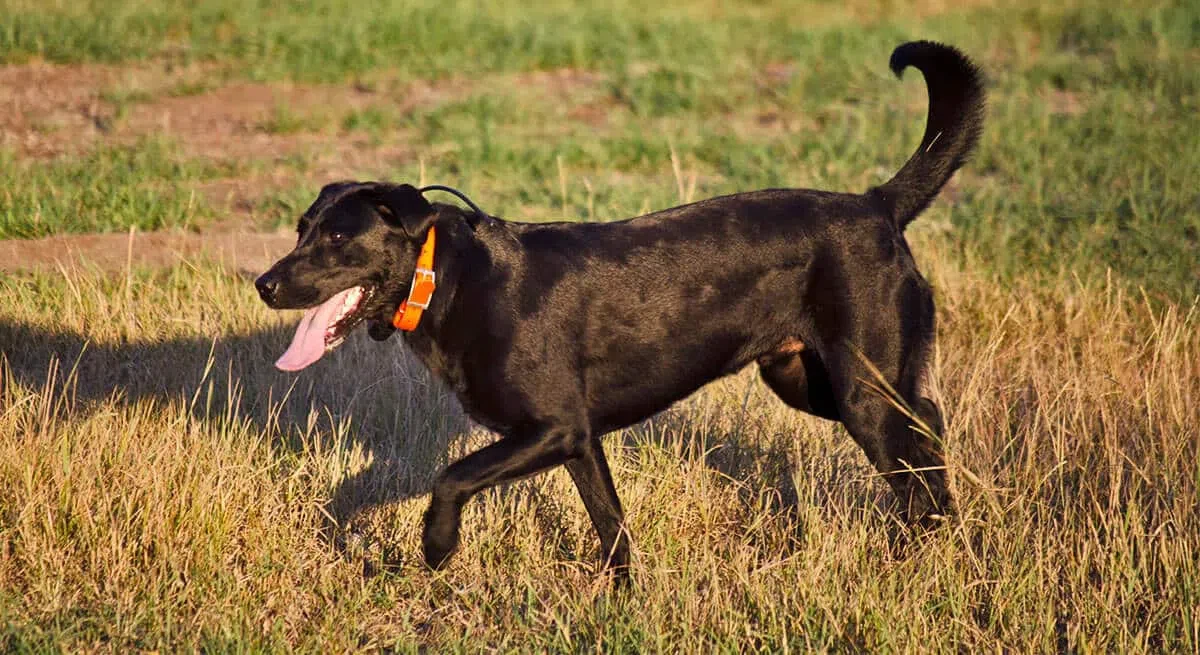
GPS collars are the 21st century version of the 19th century’s tinkling bell and the late 20th century’s beeper collar. They may not be as romantic as a brass bell, but they are a lot more effective at finding a dog on point, relocating a dog that’s run out of sight and sound, and even seeing exactly where Pooch has been scouring the countryside for the past hours. Like any GPS navigation device, the collars work via satellite. However, they communicate with their handheld units via radio frequency, which limits range—if you consider up to 10 miles of reach a limit.
Of course, like traditional e-collars, maximum range is not typical range. Radio signals are compromised by terrain and cover. Still, you can expect GPS collars to keep you connected to your dogs during 90 percent or more of typical hunting excursions. The exception might be big-running cat and bear hounds.
Before you drop upwards of $800 on one of these systems, you should know that using them isn’t as easy as wiring a bell to Dog’s collar. GPS devices require considerable study, setup and practice. Like most digital technology, they can do incredible things, but operator controls are not visible and intuitive. You have to push a few buttons and scroll through various screens and extensive menus, none of which you can see until you’ve figured out how to conjure them up. Anyone born after 1990 can probably do this with his eyes closed, but those of us more mechanically than electronically inclined might wish to hire a 5-year-old tutor. Study and practice, however, can have you zipping through controls and managing multiple dogs like a pro. Manufacturers offer instructions and training in printed form, via DVD, or online that gets you up and running quickly.