How to Choose the Right Tracking Device for Hunting Dogs and Make Your Hunt More Efficient
Apr 27, 2026
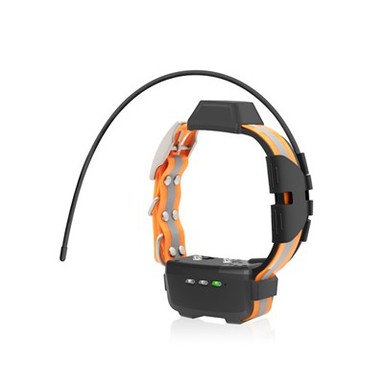
For hunters who rely on dogs in the field, a dependable tracking device is no longer a luxury-it is an essential tool. Whether you are hunting in dense forests, open fields, or mountainous terrain, a good dog tracker helps you locate your dog quickly, monitor its movement, and improve the overall efficiency of your hunting trip. But with many options available on the market, how do you choose the right one for your hunting dog? Here are the key factors to consider.

1. Reliable Range and Signal Strength
One of the most important features of a hunting dog tracker is its communication range. Hunting dogs often cover long distances while chasing game, so the device should maintain a strong signal over several miles or kilometers. If you usually hunt in thick woods or rough terrain, choose a tracker with enhanced signal penetration and stable performance in remote areas.
2. GPS Accuracy
Accurate location data is critical during a hunt. A high-quality GPS tracking device can show your dog's real-time position with precision, allowing you to react quickly. This is especially useful when your dog changes direction suddenly or enters unfamiliar territory. The better the GPS accuracy, the easier it is to manage your dog's movements.
3. Durability and Waterproof Design
Hunting environments can be harsh. Dogs may run through mud, water, rain, bushes, and rocky ground. A tracker designed for hunting dogs should be rugged, shock-resistant, and waterproof. Devices with durable collars and strong casing will last longer and perform better in difficult outdoor conditions.
4. Battery Life
Long battery life is another key consideration. Hunting trips can last many hours or even several days. A tracking device with a weak battery may fail at the worst moment. Look for trackers that offer extended battery performance and fast charging options, so your equipment is always ready when needed.
5. Easy-to-Use Interface
Hunters need quick access to information while focusing on the field. A user-friendly handheld receiver or mobile app makes it easier to check location, speed, and movement history. Clear maps and simple controls save time and reduce distractions during the hunt.
6. Additional Features
Modern hunting dog trackers may include extra functions such as bark detection, geofencing alerts, activity monitoring, and training support. These features can provide more control and valuable insights into your dog's behavior.
Conclusion
Choosing the right tracking device for your hunting dog depends on your hunting style, terrain, and specific needs. Focus on range, GPS accuracy, durability, battery life, and ease of use. A reliable tracker not only protects your dog but also helps you hunt smarter and more efficiently. Investing in the right equipment means greater confidence, better performance, and a more successful hunting experience every time.