Training Young Dogs For Their First Hunt
Jun 15, 2026
Introducing a young dog to its first hunting experience is an exciting milestone for both the dog and its owner. Proper training during the early stages is essential to develop confidence, obedience, and hunting instincts. With patience and consistency, young dogs can become reliable hunting companions that perform effectively in the field.
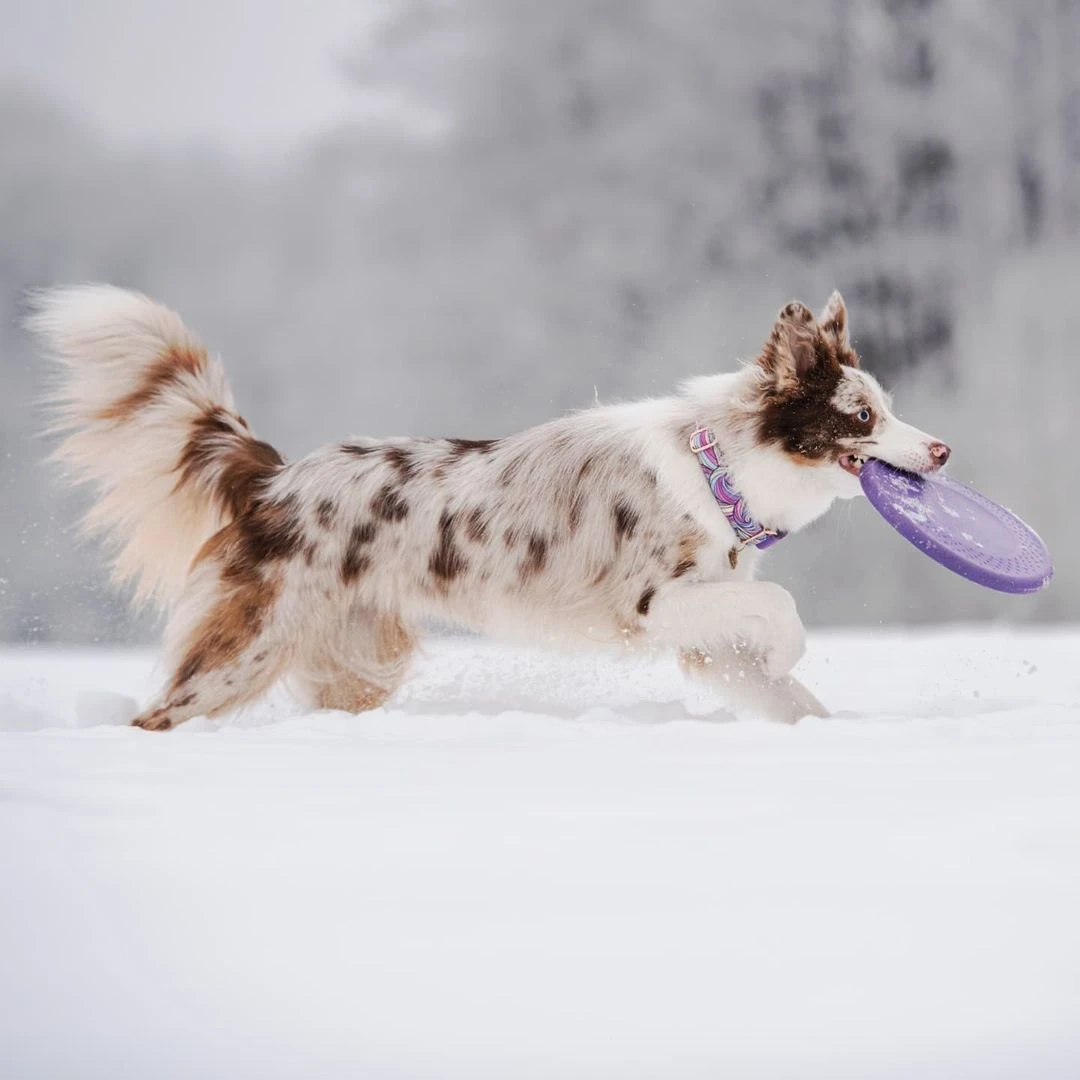
The first step in training a young hunting dog is building a strong foundation of basic obedience. Commands such as "sit," "stay," "come," and "heel" should be mastered before introducing hunting-specific exercises. A dog that responds well to commands is easier to control in challenging outdoor environments. Regular training sessions help establish trust and communication between the dog and the handler.
Socialization is another important part of early training. Young dogs should be exposed to different people, animals, sounds, and environments. This helps reduce fear and anxiety when they encounter unfamiliar situations during a hunt. Taking the dog on walks through fields, forests, and other natural settings can help it become comfortable with the terrain it will eventually work in.
Once basic obedience is established, trainers can begin introducing hunting-related skills. Scent training is often one of the first activities. By using scent trails or game-scented training aids, young dogs learn to recognize and follow target scents. These exercises should start simple and gradually become more challenging as the dog gains confidence and experience.
Introducing gunfire should be done carefully and gradually. Sudden exposure to loud noises can frighten a young dog and create long-term problems. Trainers should start with distant, low-level sounds and slowly decrease the distance over time. Pairing the sound with positive experiences, such as play or retrieving exercises, can help the dog develop a positive association with gunfire.
Retrieving practice is also essential for many hunting breeds. Using training dummies or soft retrieving toys, handlers can encourage the dog to locate, pick up, and return objects. Positive reinforcement, including praise and rewards, helps strengthen desired behaviors and keeps the dog motivated.
As the dog progresses, short training sessions in realistic hunting environments can be introduced. Exposure to wildlife scents, water, rough terrain, and varying weather conditions helps prepare the dog for actual hunting situations. However, trainers should avoid pushing young dogs too hard. Keeping sessions enjoyable and ending on a positive note encourages continued enthusiasm.
A young dog's first hunt should be carefully planned and relatively simple. The goal is not necessarily a successful harvest but a positive learning experience. Patience, encouragement, and realistic expectations are key to building a confident hunting partner. With proper preparation and consistent training, young dogs can develop the skills and instincts needed for many successful hunting seasons ahead.