Most Common Hunting Dogs Injuries And How To Get Prepared For It
Jul 28, 2022
Most Common Hunting Dogs Injuries and How to Get Prepared for it
Over the last 10-20 years many dog sports have been gaining in popularity. With this trend has developed the field of canine sports medicine – the customized and specialized care of canine athletes.
Sports like agility, disk dog, tracking, dock diving, flyball and earthdog have joined more established pursuits like dogsledding, greyhound racing and field trials in the world of canine sports. However, veterinary medicine has been a bit slower to catch up in terms of understanding the effects of sports on dogs, ways to maximize performance and how to best manage injuries.

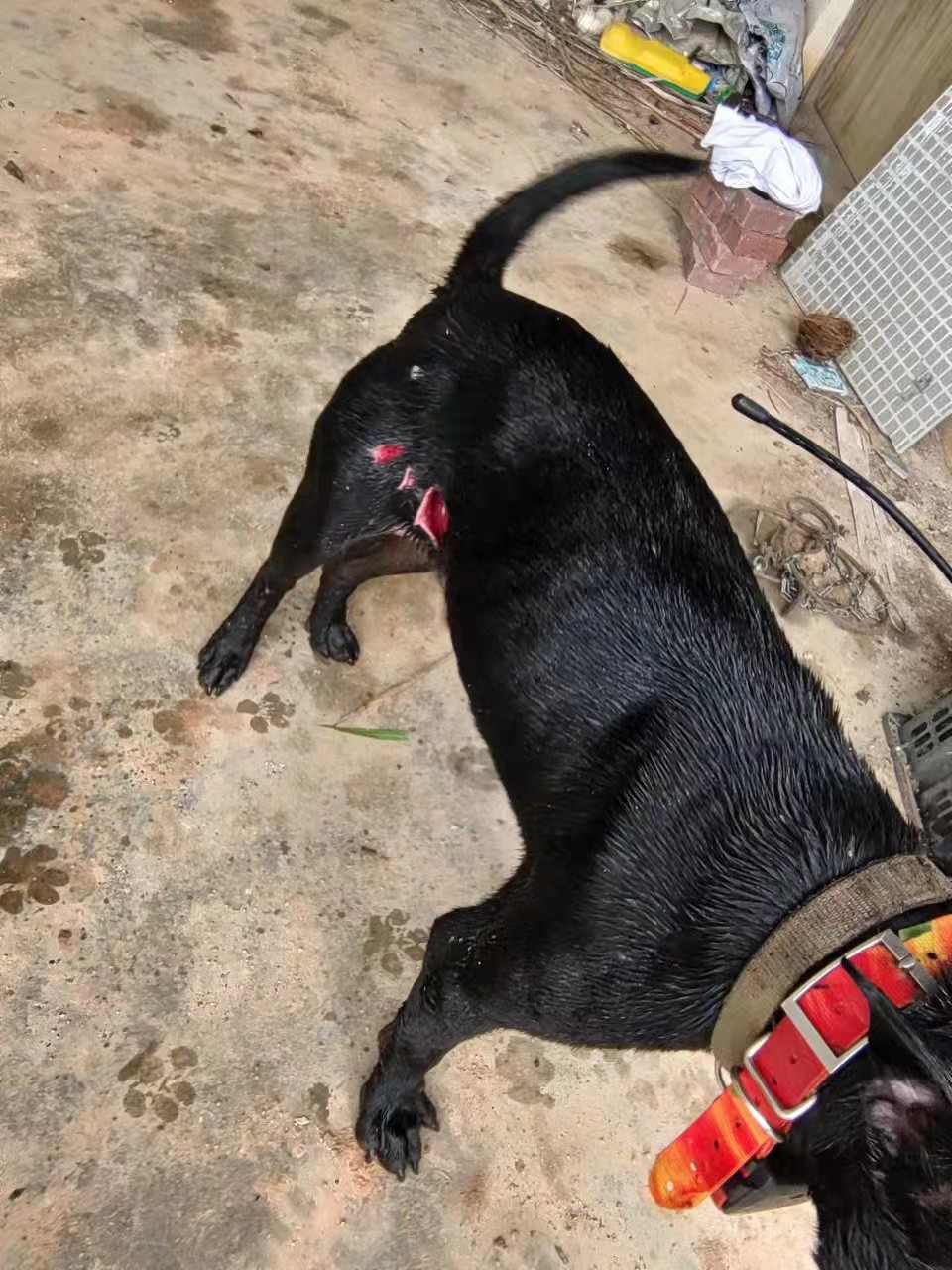
Injuries can be sustained to a variety of tissues including bones (fractures), ligaments (tears, sprains), tendons (tears, strains), skin, and the cardiovascular system. To some extent, types of injury depend on the type of dog and demands of a particular sport, but there are many common injuries across all of veterinary sports medicine.
We certainly love our furry hunting companions! There is nothing so fulfilling as watching the instinct and natural talent of Retrievers, Spaniels, Setters, Griffons, Hounds, etc., as they get to work in the wild. Their excitement and joy are palpable, and as owners, there is so much pride in seeing a successful point, flush or retrieve from the dog you’ve trained.
The undoubted bond we have for our hunting dogs is strong, and because of this, we cannot forget or undermine the additional health concerns and increased opportunity of injury that our hunting dogs face.
To start, increasing your dog’s caloric intake is a must, as many hunting dogs will cover dozens of miles in one day. Second, it is crucial to do full-body scans after a trip outdoors for any injuries or foreign bodies that may have stuck around. While you’re in the wild, keep a careful eye out for some of these common hunting dog injuries: paw injuries, skin lacerations, foreign bodies in the skin/ears/nose, eye injuries, porcupine encounters, soft tissue injuries and lameness, torn nails, and others.
Maybe your dog has never had an injury from hunting, (we hope that is the case!) but the increased risk is unfortunately inevitable.
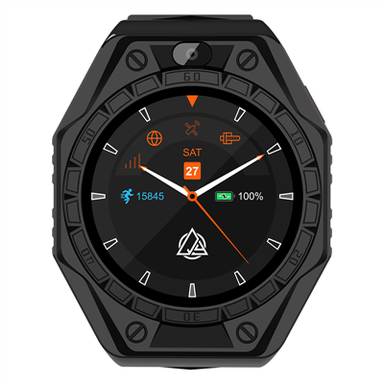
So you need to be ready and prepared for accidents and the most important gears you must have before going hunting with your dogs are the GPS Tracking Collars and the First Aid Kits :
First-Aid Kit Necessities:
Here are some suggestions:
One of the first items every dog-owner should stock is a bottle of buffered aspirin. A dog’s muscles get stiff and sore, and that’s especially true of older dogs or dogs with arthritis. Veterinarians recommend 1 adult (5-grain) pill per 40 pounds of weight, given during the morning and evening feedings.
Eyewash is another necessity for any first-aid kit. Ask your vet to recommend a high-quality eyewash and administer a few drops at the beginning and end of each hunting day. Also use the solution to flush out debris from the eyes as necessary.
Among the other things to have in your kit are hydrogen peroxide to induce vomiting and rinse open wounds, sterile gauze, a roll of elastic bandage, a needle-nose pliers or hemostat to remove porcupine quills, an antihistamine for allergies or snake bites, a vet-approved solution for cleaning ears, and a muzzle. The muzzle is to keep the dog’s mouth closed in the event of a serious injury.
You should also include some anti-bacterial hand wipes, not only to clean up and help sanitize a dog’s wound, but also to wash your hands before dealing with a cut or other emergency.
GPS Tracking Collars:
When you are out hunting with you dogs the last think you want to happen is losing track of your dogs specialy when he is injured , that's why having a good GPS Dog Tracking Collar is very important , you need to know the exact location of your dogs and also can check if they are running or standing in one place for a long time , you also can call the collar and listen to the sounds arround them .
There is also a good function of The GPS Tracking System :Once the dog is injured it’s time to quickly make a plan for a safe approach. Sometimes the shortest way is not the safest way and local knowledge combined with GPS maps on the Tracking System Apps will help you to pick a safe an quick route that avoids waterfalls, bluffs, deep river crossings and thick prickly vegetation.