How Do Hunters Train Young Dogs?
May 20, 2026
Training a young hunting dog is a long but rewarding process. Hunters understand that a good hunting dog is not born fully skilled. Instead, it develops through patience, practice, and trust between the dog and its owner. Whether the dog is trained for tracking, retrieving, pointing, or flushing game, early training is extremely important.
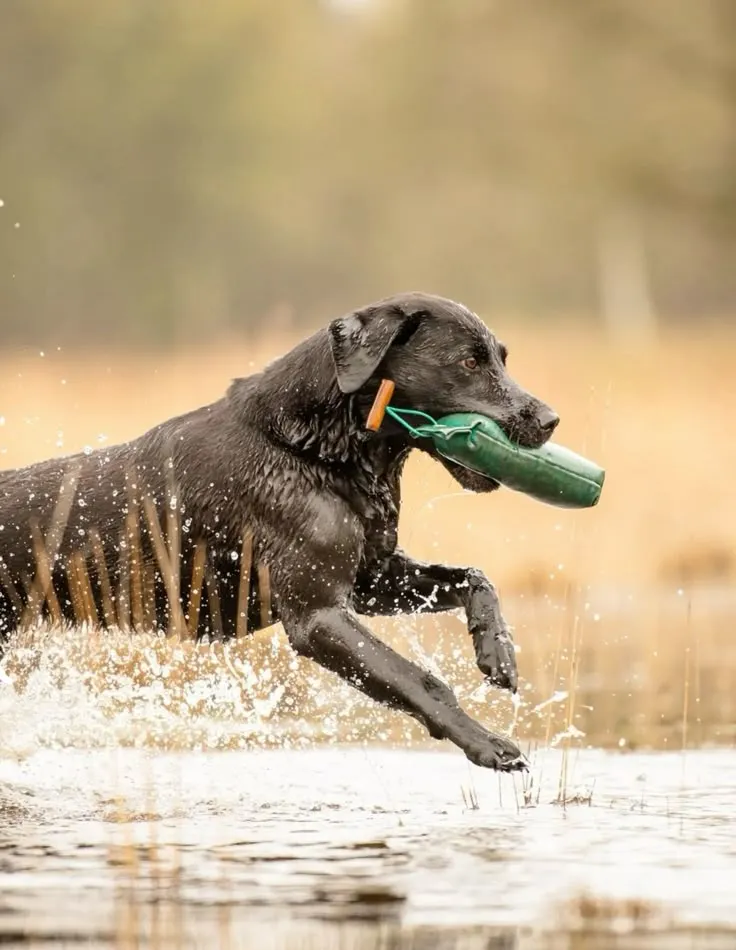
The first step in training young dogs is basic obedience. Hunters usually begin training when the puppy is only a few months old. Simple commands such as "sit,""stay,""come," and "heel" help the dog learn discipline and focus. Obedience training creates a strong foundation and ensures the dog can safely follow instructions in the field. Many hunters use rewards such as treats, praise, or toys to encourage good behavior.
Socialization is another important part of training. Young dogs need to become comfortable around people, other animals, loud sounds, and different environments. Hunters often expose puppies to forests, rivers, grasslands, and even gunshot sounds at an early age. This helps prevent fear and anxiety during real hunting situations. A confident dog is more likely to perform well outdoors.
After basic training, hunters introduce hunting-specific skills. For retriever breeds, training often includes fetching objects and bringing them back gently without damaging them. Hunters may use dummy birds or floating toys to practice retrieving on land and in water. For tracking dogs, trainers teach the dog to follow scent trails. They may drag animal scents along the ground to help the dog develop its nose and tracking instincts.
Consistency is essential during the training process. Most hunters train their dogs regularly, often in short daily sessions. Young dogs can become tired or distracted easily, so training should remain positive and enjoyable. Punishment is usually avoided because it can damage the dog's confidence and trust. Instead, experienced hunters focus on repetition and encouragement.
Many hunters also believe that bonding with the dog is just as important as technical skills. Spending time together during walks, play, and outdoor activities helps build loyalty and communication. A hunting dog must trust its owner completely, especially in dangerous or challenging environments.
As the dog grows older and gains experience, hunters gradually introduce real hunting situations. At first, the dog may simply observe older trained dogs in the field. Over time, it learns how to react to commands, track animals, and work calmly under pressure. Experienced hunters understand that every dog learns at its own pace, so patience is necessary.
In conclusion, training a young hunting dog requires dedication, consistency, and care. Hunters combine obedience training, socialization, skill development, and strong bonding to prepare dogs for the field. With proper training, young dogs can become reliable hunting partners and loyal companions for many years.